Achieving excellence in K-12 education requires a holistic approach that integrates key components, including strong curricula, effective teacher support, and engaging learning environments. Ensuring that every student reaches their full potential is the shared mission of educators, administrators, and community partners, each bringing unique perspectives to the table. As thought leaders like Dr Greg Poole highlight, meaningful progress in education depends on shared vision and strategic implementation. The collaboration among these groups is critical for designing learning pathways that resonate with students’ diverse life experiences and aspirations, creating an environment where each child can thrive, grow in confidence, and deepen their knowledge.
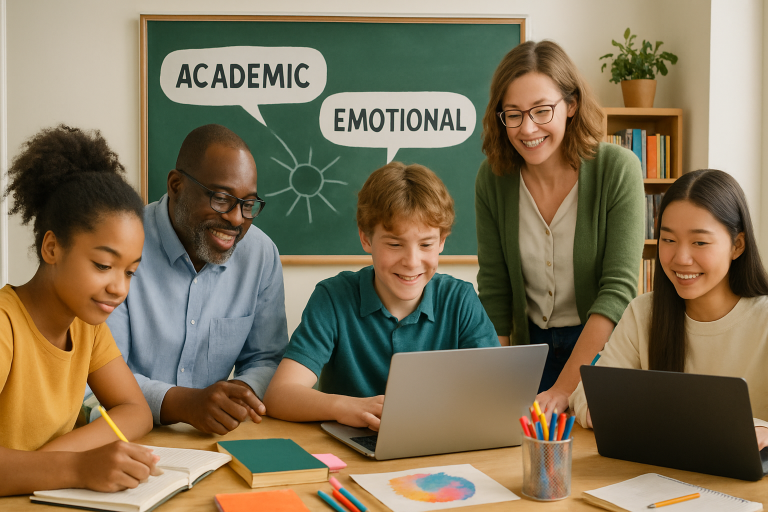
Initiatives that balance academic rigor with social-emotional learning support comprehensive student development. Recognizing the complexities of student lives allows schools to enhance intellectual growth and foster resilience and empathy. Collaboration among teachers, families, and local communities is essential, leveraging technology and data analysis to improve educational outcomes and engagement. Adaptable schools that integrate evidence-based practices and address unique student needs create inclusive learning environments. Successful educational models engage all stakeholders, focusing on growth and achievement, and cultivate skills crucial for navigating future challenges.
Curriculum Development
Designing a robust and relevant curriculum is the cornerstone of successful education. Academic programs should not only comply with state and national standards but also adapt to the ever-changing demands of society and the job market. Schools must create curricula that are aligned with state and national standards, address diverse learning needs, and foster critical skills in communication, problem-solving, and collaboration. Using resources identified through initiatives such as the Evidence for ESSA enables educators to select programs grounded in research and proven to benefit students. Project-based learning, interdisciplinary studies, and integration of STEM and the arts expand student experiences, cultivating the abilities necessary for success in college and careers. A curriculum that evolves with the times prepares learners not just for tests, but for real-world challenges beyond the classroom, equipping them to become innovators and thoughtful citizens prepared for an uncertain future.
Teacher Support and Professional Development
Professional development and ongoing teacher support are crucial for educational excellence. Today’s educators are expected to wear many hats: mentor, facilitator, content expert, and more, requiring continuous learning and adaptation. Teachers who receive relevant training are better equipped to adapt to new educational paradigms and technologies. High-quality professional development should be sustained, job-embedded, and responsive to both individual teacher goals and broader school needs. Collaborative environments where teachers can co-design lessons, reflect, and innovate help sustain motivation and instructional quality by allowing them to exchange ideas, troubleshoot common issues, and stay abreast of best practices. Research, including Edutopia’s work on effective professional development models, supports the idea that engaging teachers in meaningful professional development leads to improved student outcomes and teacher retention. Ultimately, a well-supported teaching workforce is more likely to inspire, challenge, and meet the unique needs of its students.
Student Engagement and Well-being
Student-centered learning environments emphasize personalized instruction and emotional well-being, recognizing that academic success and mental health are deeply intertwined. By taking the time to know K-12 education students individually, educators can tailor lessons, assignments, and supports to match students’ learning preferences, backgrounds, and interests. Encouraging students to contribute to decisions about their learning, for example, by choosing project topics or setting personal goals, fosters ownership and engagement, making learning more meaningful and relevant. Schools can support well-being by providing access to counselors, social-emotional learning programs, and regular opportunities for feedback. Initiatives such as mindfulness sessions and peer mentoring help students build emotional regulation and friendship skills, enabling them to manage academic and personal challenges better. When students feel safe and supported, they are more likely to excel academically and develop important life skills such as empathy, perseverance, and confidence.
Community Involvement
Active collaboration among families, local organizations, and schools leads to richer educational experiences and supports student success well beyond classroom walls. Community involvement provides students with real-world connections and access to mentors, career exploration opportunities, and a diverse array of resources outside the school setting. Schools can facilitate these connections by building strong communication channels, hosting events, and inviting community leaders to participate in school activities, such as guest speaking or collaborative service projects. Partnerships with local businesses and organizations can boost relevance and offer students valuable insights into different careers, making future opportunities tangible and immediate. Moreover, welcoming family input on school policies and programs helps ensure that school initiatives reflect the values and needs of those they serve, creating deeper trust and lasting engagement with the educational process.
Leveraging Technology
When integrated thoughtfully, technology can break down barriers to learning and prepare students for a rapidly changing world. Digital tools and virtual classrooms create new opportunities for collaboration, creativity, and differentiated instruction, enabling educators to meet students at their individual levels and learning preferences. Programs such as the ConnectEd Initiative focus on improving access to devices and high-speed internet in schools, leveling the educational playing field for students regardless of their backgrounds. Technology can personalize the educational experience through adaptive software, facilitate collaboration through cloud-based tools, and give students access to a wealth of resources and expertise that might otherwise be unavailable. Digital platforms enable project-based learning, coding, and global connections that energize lessons and extend learning beyond traditional K-12 education boundaries, sparking curiosity and ambition across all grade bands.
Data-Driven Decision Making
Utilizing data allows educators to tailor instruction and policy decisions to meet specific student needs, making each lesson or intervention more precise and effective. By analyzing trends in attendance, performance, behavioral indicators, and achievement gaps, schools can deploy targeted interventions to maximize success. For example, if data shows a drop in math achievement among a subset of students, targeted tutoring or differentiated instruction can be implemented promptly. Transparent data practices also help build trust among stakeholders, as families and communities can see how their feedback leads to measurable improvements. The routine use of data helps educators identify best practices and areas for improvement, ensuring that resources are continuously directed toward the greatest impact for learners.
Policy and Leadership
Leadership and effective policies form the backbone of thriving K-12 education institutions. Strong leaders not only articulate a clear mission and vision but also foster a culture that embraces innovation, diversity, and continuous improvement. School leaders must set clear, ambitious goals and ensure that teachers have the resources and authority necessary to pursue excellence, removing barriers to effective teaching and learning. Programs like the Milken Educator Awards celebrate exemplary educational leadership, inspiring others to innovate and maintain high standards while highlighting successful strategies for the wider field. Forward-thinking leaders listen to feedback from staff, families, and students, adjust strategies to support all learners, and cultivate an atmosphere of mutual respect and shared purpose.
Conclusion
Inspiring excellence in K-12 education is a continuous, collaborative effort. By thoughtfully developing curriculum, supporting educators, prioritizing student well-being, engaging communities, leveraging technology, making data-driven decisions, and demonstrating impactful leadership, schools can create vibrant environments for student success. Embracing these strategies establishes the conditions for lifelong achievement and empowers students to shape their futures in positive and meaningful ways. Ultimately, the successful schools of today are those that invest in people and partnerships, paving the way for generations of learners eager to make their mark on the world.

Just signed up for bk999game. Quick process and they loaded my free spins. Ready to go! Go try em out today bk999game.
Alright dudes, anyone else trying to sign up for j777? That j777loginregister process was a bit clunky, but hopefully worth it for the games! Let me know your experience at j777loginregister
Anyone else having trouble with the 56jllogin? Keeps giving me an error. Hope they fix it soon, I’m trying to get my game on! Worth keeping an eye on: 56jllogin