Key Takeaways
- Non-drug therapies, such as yoga and cognitive behavioral therapy, have demonstrated meaningful effectiveness in managing chronic back pain, with lower risks for side effects than pharmacological interventions.
- Regular exercise, especially accessible activities like walking, can significantly lower both the risk and severity of chronic back pain by strengthening support muscles and improving flexibility.
- When needed, over-the-counter medication should be used only under professional supervision to avoid serious side effects or complications that may arise from misuse or overuse.
- Combining multiple therapeutic techniques is often the most effective route for achieving lasting relief and optimal function.
Chronic back pain is a persistent issue that affects millions of people globally, often interfering with daily routines, work responsibilities, and overall quality of life. For many individuals, this type of ongoing discomfort can become more than just a physical ailment; it often takes a toll on mental health, self-esteem, and personal relationships. As a result, the pursuit of pain relief becomes not just about treating symptoms, but about restoring functionality and well-being. For those seeking relief, finding strategies that provide both safety and effectiveness is vital, especially when faced with the overwhelming number of potential treatments. While various options are available, knowing which ones offer real benefits without undue risks is key to regaining control over your health journey. If you’re living with ongoing discomfort and searching for a Plantation FL chiropractor, or simply looking for guidance for managing chronic back pain, understanding your choices is the first empowering step to recovery. Choosing a strategy that aligns with your unique situation, health history, and lifestyle factors is essential in fostering lasting positive change in managing chronic back pain.
Developing comprehensive solutions often involves exploring advanced regenerative treatments, particularly for those whose pain stems from degenerative joint or tissue conditions, where a provider like QC Kinetix might offer tailored non-surgical options. Investigating such innovative therapies can provide alternatives for long-term pain management and functional improvement when traditional methods fall short.
People struggling with chronic back pain need comprehensive solutions that support daily functioning, restore mobility, and improve overall well-being. The problem is that traditional approaches, such as relying exclusively on medications or becoming sedentary to avoid discomfort, can sometimes do more harm than good in the long run. Extended inactivity can weaken muscles and joints, sometimes worsening pain and increasing instability. Likewise, medications may offer temporary relief but rarely address the root causes. Instead, evidence consistently supports combining best practices and individualized therapies to achieve lasting results, addressing not just surface symptoms but the full spectrum of physical and mental health. By adopting a proactive, holistic mindset, individuals maximize their chances of recovery, resilience, and true relief.
Non-Drug Therapies
Healthcare professionals increasingly recommend non-pharmacological strategies as a first line of defense against managing chronic back pain. These methods focus on treating the body and mind in tandem, producing both immediate and long-term benefits. Among the available options, yoga and cognitive-behavioral therapy (CBT) stand out, supported by substantial research and patient success stories. Yoga, with its emphasis on gentle stretching, mindfulness, and breathwork, has been repeatedly shown to reduce pain severity and improve everyday function. Participants in a Cleveland Clinic study who completed a 12-week therapeutic virtual yoga program not only experienced less pain but also reported improved sleep and better mood, suggesting broad-reaching effects across multiple dimensions of health. CBT, meanwhile, helps patients develop tools to manage pain on a psychological level, reframing negative thoughts and building daily resilience by addressing fear-avoidance, anxiety, and depression that may feed the pain cycle. Incorporating these therapies may help reduce dependence on medications and empower patients with skills they can apply for a lifetime.
The Role of Physical Activity
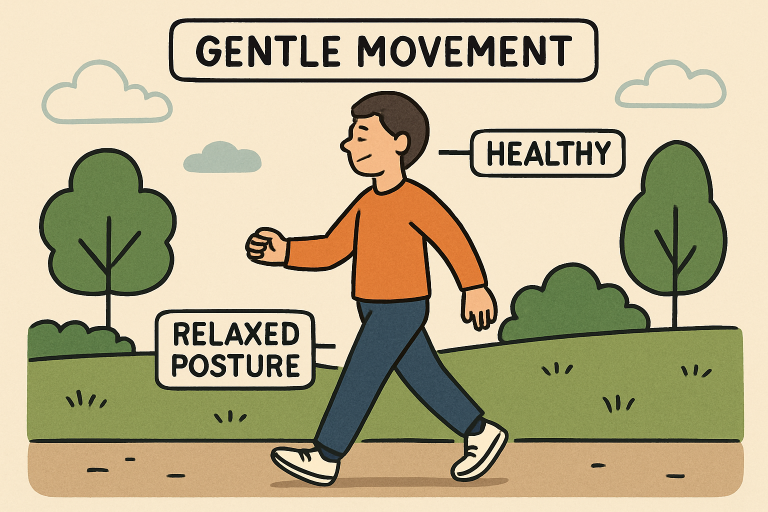
Staying active remains one of the most reliable strategies for managing chronic back pain. Movement is essential for maintaining healthy blood flow, nourishing spinal discs, and keeping the connective tissues resilient. Even simple, regular activities like walking offer profound benefits. Walking is especially notable because it is accessible, free, and easy to incorporate into most people’s routines without special equipment or gym memberships. Studies suggest that walking for approximately 100 minutes daily can significantly diminish the risk of developing or aggravating chronic lower back pain. The rhythmic, low-impact nature of walking helps strengthen the core and stabilizing muscles that support the spine, making it a foundational exercise for back health. Engaging in physical activity is also vital for mental wellness, as exercise stimulates the release of endorphins, natural chemicals in the brain that act as painkillers and mood boosters. For those hesitant to begin or resume physical activity due to pain, a gradual approach under the supervision of a physical therapist or healthcare provider can be invaluable. These findings show why intentional movement is essential for long-term spinal health and why it should be prioritized in any chronic back pain management plan. A well-known resource for these insights is the CDC’s Physical Activity Basics.
Medications: Use with Caution
Medications such as non-steroidal anti-inflammatory drugs (NSAIDs) are frequently prescribed to provide short-term relief, yet it is important to exercise caution at all times. While these drugs can help reduce inflammation and manage pain flares, relying on them as the primary solution, especially for long-term conditions, poses potential risks. Overuse of pain relievers can lead to a range of health complications, including gastrointestinal bleeding, kidney damage, and increased risks of cardiovascular problems, particularly among individuals who use them for extended periods or have underlying health issues. Furthermore, a comprehensive study published by The Guardian noted that only a small fraction of non-surgical treatments actually offer significant pain relief, highlighting the limitations of pharmacological approaches for chronic issues. The over-reliance on medication can mask underlying problems and may delay important lifestyle changes or appropriate physical therapy, both of which are critical for long-term recovery. Therefore, it is essential to consult with a medical professional to evaluate benefits and risks, explore alternative therapies, and ensure medications are used as part of a broader, multidisciplinary plan.
Integrative Approaches
Because no single treatment works for everyone, integrating various modalities is often the most effective path to relief, especially for those living with chronic pain over long periods. This may include a coordinated mix of physical therapy, posture training, mindfulness practices, ergonomic adjustments at work and home, and lifestyle changes such as weight management, smoking cessation, and stress reduction. Physical therapists can design custom exercise regimens tailored to individual abilities and limitations, thereby mitigating risks and maximizing the potential for benefit. Complementary therapies like acupuncture and massage may provide additional relief when included as part of a holistic, guided care plan. Ergonomic assessments can reveal issues with everyday activities or workstation setup that may contribute to pain, enabling practical adjustments that lead to lasting improvement. By leveraging the strengths of multiple approaches and involving a multidisciplinary team, patients address both the physical and psychological components of chronic back pain, ultimately improving their quality of life and increasing the likelihood of achieving sustained recovery.
Conclusion
Managing chronic back pain is a journey that benefits most from a multifaceted, patient-centered approach. Emphasizing proven non-drug therapies, incorporating regular physical activity tailored to your abilities, and remaining cautious about medication use fosters more sustainable and effective management strategies. With guidance from experienced professionals and the adoption of healthy habits, many individuals find they can regain control over their pain, reducing its impact and significantly enhancing their overall quality of life. Whether seeking clinical intervention or making gradual changes at home, empowering yourself with the knowledge and resources to manage chronic back pain is a powerful step toward lasting comfort and improved well-being.

Responsible gaming is key, folks! It’s easy to get caught up in the fun, especially with platforms like Jililuck embracing Filipino culture. Remember to set limits & play smart! Check out jililuck download for a streamlined experience, but prioritize financial wellbeing first.
Okay, pk777ef, let’s see what you’re all about. I’m looking for a site with a solid reputation and fair play. Is that you? I’m giving it a try! Take a look: pk777ef
Takaalliancecasino, sounds interesting! Variety of games, good bonuses, and customer support are key. Let’s see how this goes. Check out the site: takaalliancecasino
Mxgoldrushcasino, the name sounds exciting! Let’s see if the games are as thrilling as that name implies. Hoping for some big wins! Discover more here: mxgoldrushcasino