Introduction to Mulching
Mulching is a foundational gardening and landscaping practice that can dramatically improve the health and aesthetics of any outdoor space. By simply applying a protective layer of material atop your soil, you unlock a host of benefits for your plants and soil ecosystem. Whether you are nurturing a robust vegetable patch or cultivating ornamental borders, the right mulch can help you achieve a thriving garden with less effort.
From moisture conservation to temperature regulation and weed suppression, the advantages of mulching are both immediate and long-lasting. Effective use of mulch can give gardens a tidy appearance, dramatically reduce the amount of time spent watering and weeding, and support sustainable gardening practices by improving soil health over time.
As you explore the world of mulch, understanding the various types and their unique roles will guide your choices for different areas of your landscape. Whether you opt for organic or inorganic mulches, using them correctly ensures you reap the full rewards while avoiding common missteps.
Types of Mulch
Mulch is broadly categorized into two main types: organic and inorganic. Both have specific properties and applications, making them suitable for various gardening needs.
- Organic Mulches: Made from natural materials like wood chips, straw, shredded leaves, and compost. These break down over time, returning nutrients to the soil and improving soil structure. Organic mulches require periodic replenishment but offer substantial benefits in terms of soil fertility.
- Inorganic Mulches: Includes options such as rubber, gravel, stones, and plastic sheeting. These do not decompose and are chosen for their durability and low maintenance requirements. Inorganic mulches are ideal for pathways, non-plant areas, and places where long-term weed control is essential.
Benefits of Mulching
Integrating mulch into your landscaping routine confers several crucial advantages:
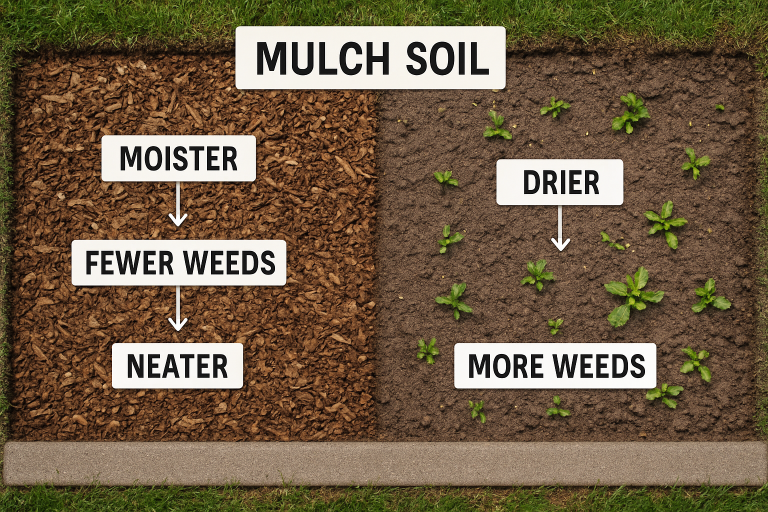
- Moisture Conservation: Mulch acts as a barrier, slowing down evaporation and helping the soil retain moisture even in hot or windy conditions. This translates into healthier plants and less frequent watering.
- Weed Suppression: A thick layer of mulch blocks sunlight, preventing weeds from gaining a foothold. With fewer weeds, your desirable plants face less competition for nutrients and water, reducing the need for manual labor.
- Temperature Regulation: Mulch functions as a natural insulator, protecting plant roots from extreme temperature swings. It keeps the soil cooler as summer heats up and insulates the roots during frigid winter nights. The result is consistently happier, less-stressed plants.
- Soil Enrichment: As organic mulch decays, it enriches the soil with essential nutrients and fosters the growth of beneficial microorganisms. Improved soil structure and fertility are critical for robust plant health and yield.
Recent research highlights that regular mulching can reduce weed growth by up to 70% and water usage by as much as 50%, making it especially valuable in regions prone to drought.
Common Mulching Mistakes to Avoid
While mulching offers numerous benefits, improper techniques can undermine your efforts and even harm your plants. The most notorious error is the creation of “mulch volcanoes”—the practice of mounding mulch high against tree trunks or plant stems. This causes excessive moisture retention at the base, leading to decay, fungal disease, and pest invasion. Instead, spread mulch in a broad, even ring, keeping it several inches away from the trunk or stem to ensure proper airflow and minimize the risk of disease.
Other pitfalls include using contaminated or diseased mulch, applying a layer that is too thin or too thick, and neglecting to replenish organic material as it breaks down. To maximize the benefits, always use clean, high-quality mulch and maintain proper application techniques.
How to Apply Mulch Effectively
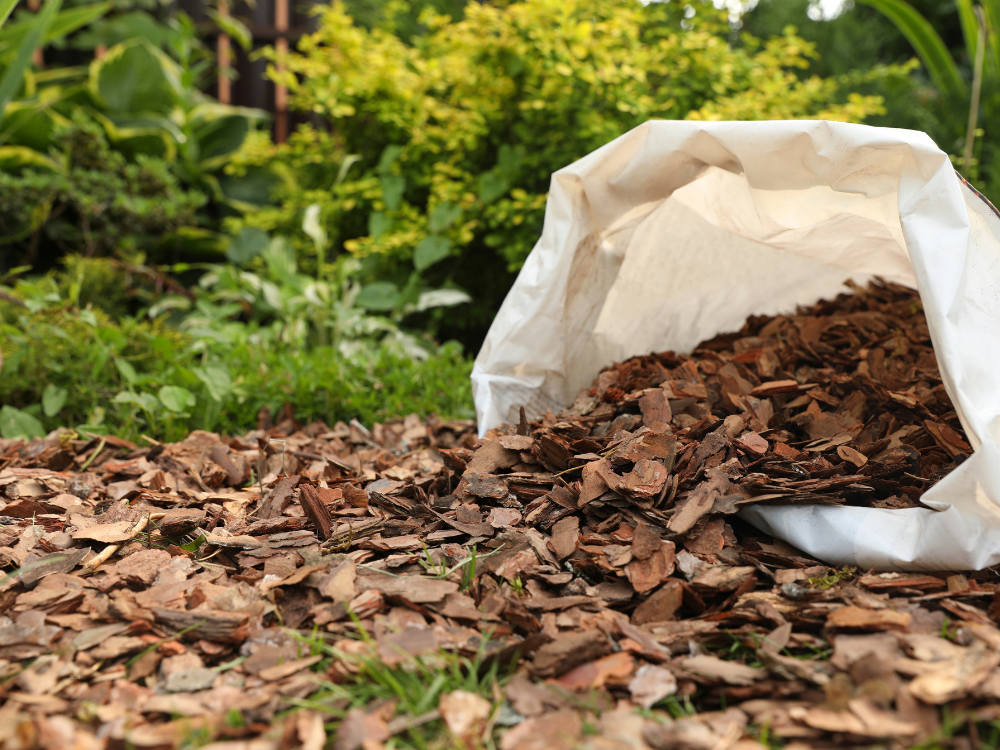
- Choose the Right Mulch: Select materials that are suited to the specific needs of your plants and your local climate. Organic mulches are excellent for gardens where soil enrichment is a goal, while inorganic options provide enduring weed control for walkways and decorative areas.
- Prepare the Area: Always remove weeds, grass, and debris before applying mulch. This ensures that you’re not trapping undesirable plants beneath the mulch layer.
- Apply the Correct Thickness: Spread it to a depth of 2–3 inches; too little won’t suppress weeds, but excessive amounts can suffocate roots and trap too much moisture. Refresh the mulch layer as it decomposes or becomes thin.
- Maintain Distance: Always keep it at least a few inches away from plant stems and tree trunks. This gap helps prevent bark rot, fungal infections, and access for pests such as rodents.
- Refresh Regularly: Organic mulch will decompose and settle over time. Check your mulch layer annually and top it off as necessary to maintain its weed-suppressing and moisture-conserving benefits.
For more detailed guidance on mulch application, see this informative resource from Garden Design.
Conclusion
Mulching remains one of the simplest yet most impactful practices in creating a beautiful and resilient garden. By selecting the appropriate type for your needs, applying it with proper technique, and avoiding common mistakes, you can cultivate a landscape that flourishes with minimal ongoing effort. Mulch not only conserves critical resources like water and time, but also enriches your soil, resulting in healthier, more vibrant plants. As you plan your next gardening season, consider incorporating mulch into your landscape strategy to enjoy abundant growth and a tidy, low-maintenance outdoor oasis for years to come.

Alright, so Playdoitpark is where it’s at for some casual fun. It’s pretty chill and easy to get into. Give it a shot if you’re looking for something to waste some time on. More deets here: playdoitpark
MXN777Casino, sounds tempting, right? Lucky number and all that jazz. Gambling sites are addictive, so take it easy. Here’s to hoping you get lucky here: mxn777casino
Betmasters…sounds prestigious! Let’s see what strategies or tips they’re offering. Head over to: betmasters