Moving house brings up a rollercoaster of emotions; you can feel overwhelmed, excited, and exhausted all in one go. Whether you are moving to a completely new city or relocating across town, there are going to be 101 things that you need to do and remember. The difference between a chaotic experience and a smooth transition can be a big checklist that includes everything you need to remember for a successful house move. A moving house checklist covers all stages of the process, so that you can save time, stay organized, and most importantly, not add any unnecessary stress to an already very stressful situation.
To help you on your journey, here is a moving house checklist broken down into sections.
6-8 weeks before moving: start the preparation early
The earlier you start your planning, the more prepared you will feel and the more control you will have over the success of your move. Begin by setting your moving date and creating a dedicated moving folder, whether that is physical or digital, depending on your preferences. This is where you want to store all of your receipts, contracts, and important house-moving information.
At this early stage, you can also research moving companies, rental vans, storage units, and more. Even if you don’t have a set date yet, you can look at the prices and make your decisions early. As soon as you have the dates for moving, you can book nice and early to secure the availability that you need on the day. This can then be one less thing you need to worry about closer to the time, as other tasks begin to stack up. If you are moving during peak times, then it is vital that you remember to book early.
During the preparation stage, you want to give yourself a realistic budget and an emergency fund, so you can ensure you have all the costs covered for things like the movers, but also any cleaning costs, packing supplies, and unexpected expenses that may arise.
Declutter and downsize
Before you pack anything, it is important to add decluttering to your house move checklist. This will give you the perfect opportunity to assess what you need and want to take with you, and make the moving process a lot easier on the day. Go through each room at a time, and sort items into different categories to keep, store, donate, or throw away. This can significantly reduce moving times and costs.
Take items to storage
If your new home isn’t going to be ready, or if you are downsizing, then a storage unit can be a lifesaver. Many people will hire one just for some breathing room between moving out and moving in, so they can reorganize themselves and prepare the home properly. Storage units are ideal for big furniture items, seasonal belongings, and sentimental items.
Gather packing supplies and agree on a system
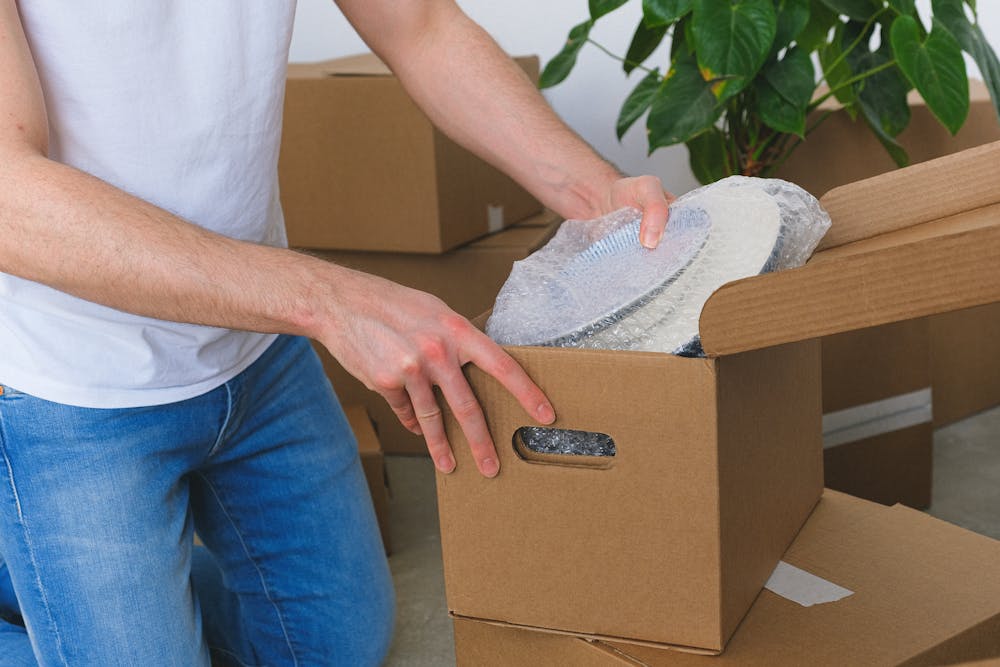
Stock up on sturdy boxes, which you can do by visiting shops in your local community. Acquire things like bubble wrap, packing tape, labels, and markers. Friends and family may be able to help with this. Make sure you don’t underestimate how many boxes you are going to need when you move; it will be extremely stressful if you run out of boxes in the middle of packing up.
Agree with your family or whoever is helping you move a labeling system that shares what is inside the box. You can also include the room and a description if you wish. Color-coding by room can speed up the packing and unpacking process. Make sure you also include an essentials box with medications, snacks, clothes, chargers, toiletries, and anything else needed on the day.

Get packing
It can be helpful to begin packing early, after you have devised a system. This will save you a lot of time and stress on the day. Pack up big items and things that you don’t need now until the move.
Notify important parties
A few weeks before moving, you can begin the process of updating people with your new address. Make sure the contracts are going through before you do this. Include insurance providers, banks, employers, schools, healthcare providers, subscription services, and anything else important.
You can arrange a mail forwarding system with your local postal service to ensure you don’t miss anything in the transition period.
Prepare utilities and services
Contact utility services to let them know when you are moving and organize a connection at your new home. Make sure you have a good contract in place and research the best deals. You will have expenses when you move, so this can be particularly helpful.
Final week moving checklist
The final week is all about doubling down on your efforts. Double-check all of the items you have already gone through on your checklist.
- Confirm arrangements with your movers and van rental team
- Check moving times and addresses
- Check that you have important documents
- Finish the last of the packing, leaving out only the essentials
- Defrost and clean the refrigerator and freezer
- Dispose of anything unmovable, e.g., hazardous materials
Moving day essentials
- Do a final walkthrough of your home to ensure nothing is left behind
- Take meter readings
- Lock all the windows and doors
- Direct all the labeled boxes to the right rooms in your new home
- Unpack the essentials so you can function
- Confirm all utilities and new meter readings
Settling into your new home
- Clean the property
- Make any updates you wish e.g., painting
- Take your time to unpack and find a place for everything
- Breakdown boxes and clear rubbish as you go
- Introduce yourself to your neighbours
- Explore your local areas
- Update any remaining addresses
- Organize anything left in storage
Moving house is a big task, so it can be helpful to have a clear guide on all the tasks that you need to do. A detailed checklist can help you to plan clearly and leverage smart solutions along the way.
