So, what is the crucial function of your home’s furnace? This seems like a simple question at first, but there’s a little more to it. The function of your furnace is to heat your home in the winter. When the temperature drops outside, your furnace kicks on. You stay warm and comfortable inside, even when temperatures drop below freezing.
However, there’s more to know about your furnace other than its ability to heat a home.

Types of Furnaces
There are three types of furnaces commonly installed in homes and businesses.
Gas Furnaces
This type of furnace uses either propane or natural gas for fuel, and are the most common type found in homes due to their energy efficiency. Some modern models have AFUE (annual fuel utilization efficiency) ratings of 90% and higher, which means the furnace is converting 90% of the fuel consumed to produce heat.
A downside to gas furnaces is the installation cost, as gas furnaces are often expensive to install, especially if your natural gas line needs to be extended.
Electric Furnaces
As the name implies, these furnaces run off of electricity, and they’re almost as common as gas-powered models. An electric furnace is typically installed when gas isn’t an option.
Electric furnaces are less expensive to install, compared to gas, and you also get a higher AFUE rating, sometimes as much as 100%—however, overall efficiency may be lower. Electric heat isn’t as efficient as gas, and in the long run, you may pay more to heat your home with electricity compared to gas.
Oil Furnaces
Oil furnaces are not as common as gas or electric, and this type of furnace is also less efficient with an average AFUE rating ranging between 80% – 90%.
The furnace uses heating oil to produce heat and is often installed when natural gas isn’t an option. Oil furnaces are a good option in colder climates where heating demands tend to be high, as they tend to produce more heat than both gas and electricity.
How Furnaces Function
Regardless of the type, furnaces basically function the same. Furnaces have multiple components, each with a specific function, which includes the following:
- A heat exchanger to ensure only warm air is circulated indoors. The component is part of the combustion process that separates indoor air.
- A heating element or burner, depending on the type of furnace. A heating element produces warm air in an electric furnace, while a burner performs the same task in oil and gas furnaces.
- A blower motor circulates warm air through the ductwork, ensuring it is dispersed throughout the house.
Another component of all furnaces is the thermostat, which regulates furnace operations, turning the unit on and off based on the temperature setting.
Furnace Maintenance Tips

Keeping up with furnace maintenance helps ensure its efficiency and can reduce the need for repairs. Regular maintenance, at least once a year, can also help prolong the life of your furnace. Also, if you’re wondering how long furnaces last, most can run anywhere from 20 to 30 years.
To ensure your furnace is always ready for winter, here are a few simple maintenance tips:
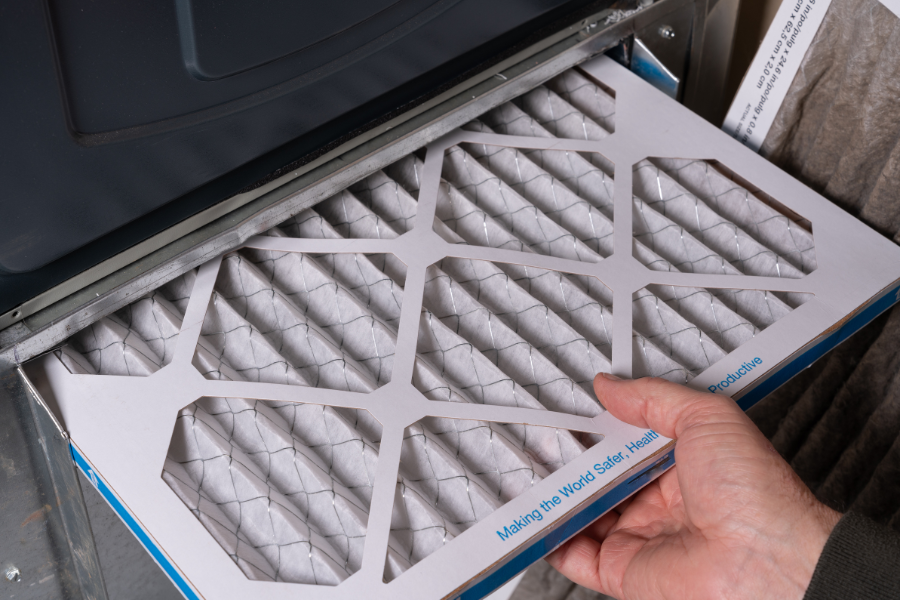
- Regularly change out the furnace’s air filters since replacing the air filters helps improve efficiency and allows for easier airflow. In other words, your furnace may not need to run as long to heat your home.
- Schedule regular inspections at least once a year, which should include checking components for wear and tear. During the inspection, ensure the technician cleans out any accumulated dirt, dust, and debris.
Having your furnace serviced annually is the best way to detect potential issues before they become expensive problems.
Risks Associated with Furnaces
Whether your furnace is running off of electricity, natural gas, or oil, there are always a few potential safety hazards.
Carbon Monoxide
The dangers Carbon Monoxide presents cannot be ignored, as it’s odorless and almost impossible to detect. Further compounding things, carbon monoxide gas is also potentially lethal to humans and pets. While carbon monoxide poisoning from furnaces isn’t common, it does happen.
The most common cause is an improperly installed, damaged, or poorly maintained furnace. If your furnace is professionally installed, you significantly reduce your risk of carbon monoxide exposure. Annual furnace inspections are another way to further decrease your risk of exposure.
Another thing you want your furnace technician to check is the heat exchanger; if the heat exchanger develops cracks, carbon monoxide can become a problem. You also want to invest in a carbon monoxide detector, since you can find inexpensive ones at most home improvement stores. Occasionally, local fire departments also give them away to the community for free.
Inadequate Ventilation
If your furnace isn’t properly ventilated, issues can occur. Combustion gases can build up, including carbon monoxide, which can then circulate in your home with warm air.
Have your HVAC technician routinely check the furnace’s ventilation, including ensuring the furnace isn’t installed in a tiny space. Don’t forget: you want to have plenty of airflow around the furnace.
Signs Your Furnace Isn’t Functioning Properly
Sometimes, even regular maintenance isn’t enough to prevent issues with your furnace. If you notice any of the following signs, it’s time to call an HVAC technician.
Strange Odors
Don’t panic if you smell a strange odor the first time your furnace kicks on in the winter, as this is normal. However, if the smell persists, it may be an indication of a more serious problem like excess dust in the unit or, worse, a gas leak.
Constant Noises
No matter what type of furnace you have, some noises are common. However, if you hear groaning, banging, whistling, or squealing sounds, your furnace may be telling you it needs repairs. This can be anything from a faulty fan or a broken component.
Furnace Doesn’t Stay On
When your furnace keeps shutting off, it’s impossible to keep your house warm. Your technician may discover a faulty pilot light or a more serious issue.
Keep Your Furnace Functioning Throughout the Winter
Your furnace has a single function: to keep your home warm in cold weather. If yours is having difficulty, it’s time to call for a service repair.
Keeping your furnace functioning does more than keep you warm; a well-functioning furnace also reduces common safety hazards.

I do not even understand how I ended up here, but I assumed this publish used to be great