Since the Russian Tortoises are herbivores, they will require similar diet as the other herbivores. In that case, the diet should remain the same with foods such as collard greens, carrot tops, kale, and mustard greens included. As grazers, Russian Tortoise will feel more comfortable on leafy plants as opposed to other supplements. Though, many Russian Tortoise keepers have been confused about the best diet to give to their tortoises. This is especially when in confinement; they tend to be very active when confined and can eat a lot at times. As a tortoise keeper, this article comes to your rescue by outlining what to feed your Russian Tortoise at home.
Greens
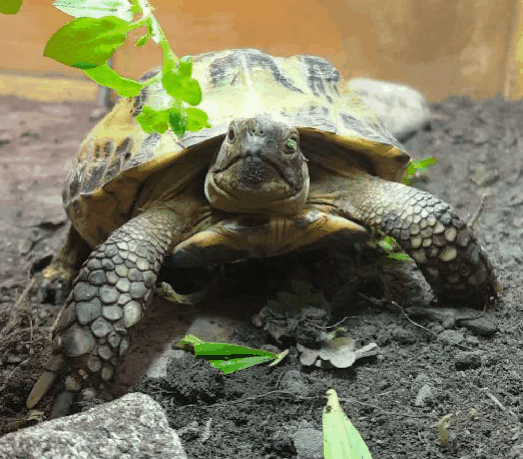
There are numerous greens that are known to be Russian Tortoise’s favorite. You can find these kinds of greens in numerous grocery stores around the region. The Russian Tortoises are better if supplied with greens that are organically grown and are also pesticide free. For instance, having a diet page can help you to manage how you administer greens to your Russian Tortoise. You may decide to include the following in the page; Endive, Escarole, Radicchio, Chicory, Turnip greens, Mustard greens, Kale, and Collards. These veggies provide them with vitamins and oxalates which can improve their health.
Supplements
There are numerous essential elements that can boost the health of your tortoise. Among them is calcium which is very crucial as it provides them with UVB. Calcium has also other optional supplements which do not contain D3. However, this one is only recommendable for indoor rearing of Russian Tortoises. Again, one should provide them with calcium moderately to avoid the possible after effects. Among the side effects that can be caused by these supplements includes mal-absorption of essential fatty acids and deficiency in zinc and iodine.
Water
We all know that water is an essential component of any living thing. Your Russian Tortoises are, therefore, no exception. Despite that they live in dry environments, they need water as much as any animal can need it. For that matter, it is commendable that you provide them with food that is rich in water. In addition, placing a bowl of water in the pens can also count in terms of supplying them with water.
What to Avoid When Feeding Your Russian Tortoise
Just like any other creature out there, there are foods that are suitable to the tortoise and those that might cause harm. For that reason, you must be very careful when selecting what to feed your tortoise. As a Russian Tortoise keeper, it can be better if you take your time to do enough research on the best feeds so as to avoid harm to your tortoise. Avoid giving your tortoise human food. Do not assume that because you can eat certain kind of food then the tortoise can also just as well eat it. For instance, fruits, grains, meat are a no-go zone for your Russian Tortoise. Only a few recommended fruits such as apples and melons can be supplied. Besides, apples are known to be rich in sugar which is also a requirement in the diet of a Russian Tortoise but should be in very small quantities.
Anti-Nutrients
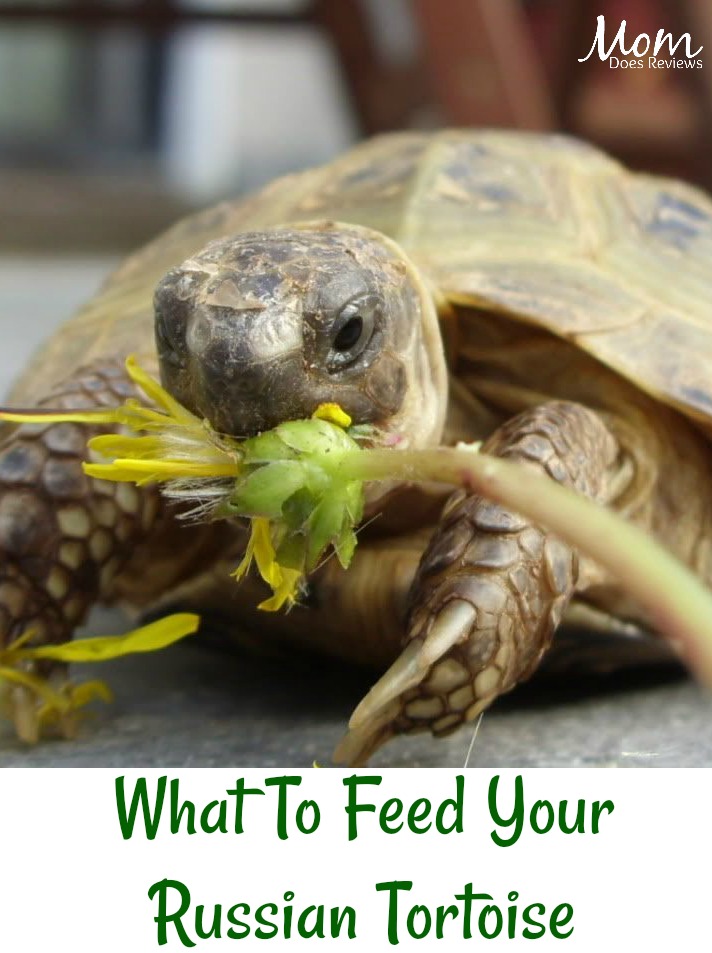
There are a number of foods that can only cause harm to your Russian Tortoise. Most of them are known to interfere with nutrient absorption from food. These are some sort of acids that includes oxalic acids, phytic acid, tannins, purines, and goitrogens among others. They naturally occur in plants causing plants to have a certain bitter taste. Some of these acids such as the oxalic acid and few others can be limited but not eliminated. This is because they can still be beneficial if provided in small quantities. However, it is best if, this kind of foods should be completely avoided for better health of your tortoise.
To conclude, feeding your Russian Tortoise can be the easiest thing on earth if you implement the above plan. Though you could face a few challenges as you begin, you can get to understand numerous important things as you proceed. With these few tips together with a touch of hygienic measures, your Russian Tortoise is guaranteed a healthy life.
