Living in Northern Virginia means your roof takes a beating all year long. Sweltering, humid summers bake your shingles, while sudden windstorms and freezing winter nights push aging materials to their breaking point. If your home features a steep, multi-faceted roofline, those weather swings can quietly wear down flashing and underlayment long before you ever spot a water stain on your ceiling.
Smart homeowners are moving past quick, temporary patch jobs. You can protect your home and avoid emergency winter repairs by scheduling a full-system roof evaluation and exploring durable, impact-rated upgrades today.
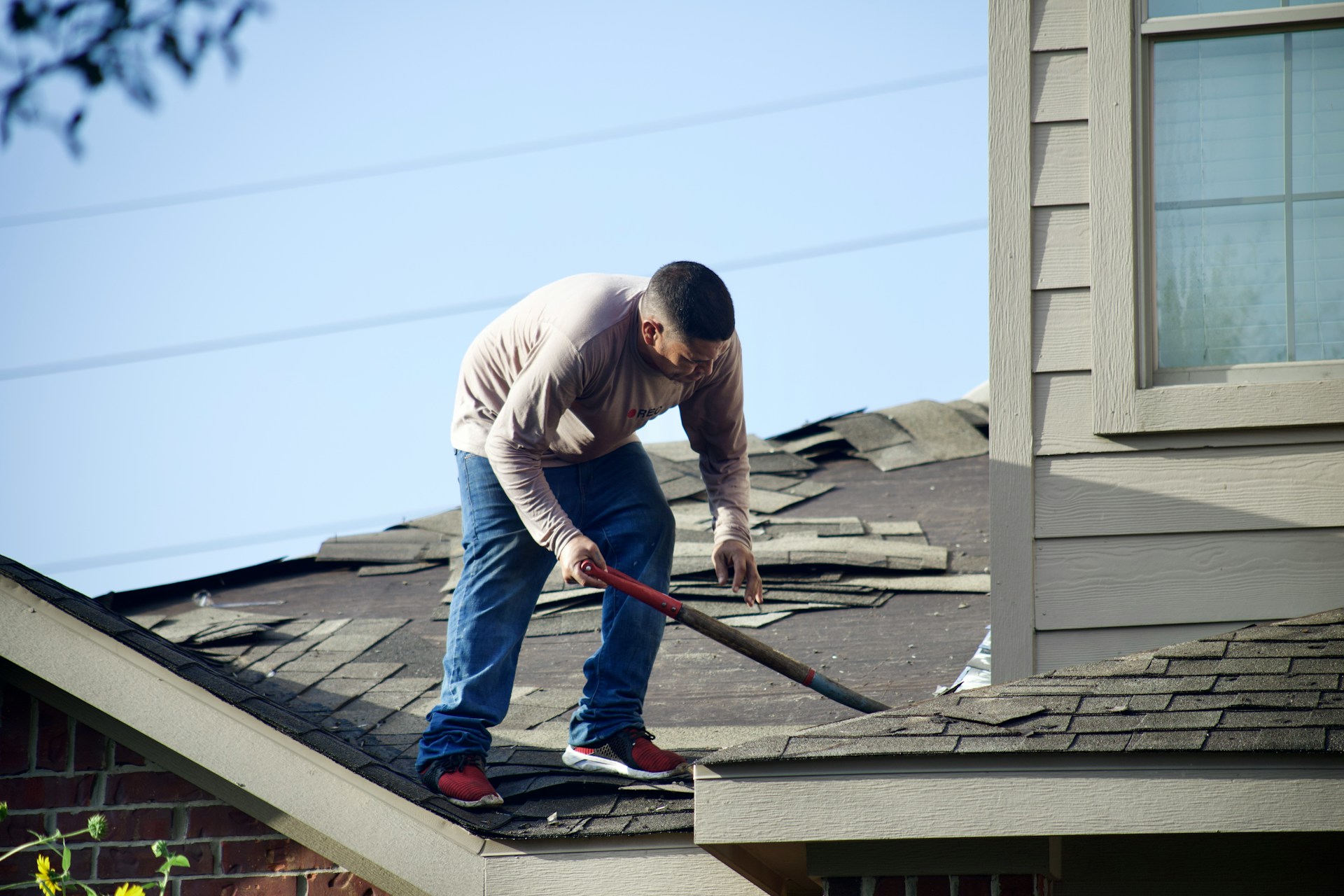
How Do Complex Rooflines and Attic Heat Create Hidden Leaks?
Many suburban homes in this region boast stunning architectural details like dormers, valleys, skylights, and steep gables. While these features add character, they create extra seams where snow and runoff tend to collect. Poor attic ventilation makes this problem much worse by trapping warm household air directly under the roof deck.
The University of Minnesota Extension notes that complex roof designs, skylights, recessed lighting, and attic heating ducts all raise the likelihood of ice dams forming along your eaves. When trapped heat melts the bottom layer of snow on your roof, that water flows down to the cold overhang and refreezes into a solid ridge. Water then backs up under your shingles, soaking the wooden decking and insulation inside your attic.
When Should You Move Beyond Quick Patch Jobs?
Replacing a few blown-off shingles might buy you a few months of peace, but spot repairs rarely fix underlying system failures. If your roof is nearing 15 to 20 years old, hidden moisture damage often spreads far beyond the single leak you can see. Continually patching an aging exterior drains your maintenance budget without solving the root cause.
A full-system inspection looks at your entire roofing envelope from the attic floor to the ridge vent. The Ohio Department of Commerce recommends using infrared thermal imaging to locate hidden heat leaks in your attic and calling a reputable roofing company to inspect any damage and guide you through your next steps. Catching these thermal weak spots early lets you plan a replacement on your own timeline rather than scrambling during a January sleet storm.
What Roofing Materials Stand Up Best to Winter Storms?
Modern roofing technology gives you far better protection than standard 3-tab shingles from decades past. Upgrading your materials lets you defend your home against hail, high winds, and heavy snow loads while keeping your exterior looking sharp.
Class 4 Impact-Resistant Architectural Shingles
These heavy-duty shingles undergo rigorous testing to withstand the force of falling hail and flying debris. They feature a reinforced rubberized asphalt core that absorbs impacts instead of cracking. Many homeowners choose Class 4 shingles because they deliver superior storm protection at a manageable price point.
Standing-Seam Metal Roofing
Metal panels lock together with concealed fasteners, leaving no exposed screw heads for water to penetrate. Snow slides cleanly off the smooth surface, which dramatically reduces the weight sitting on your rafters during a blizzard.
Lightweight Synthetic Slate
Traditional quarried slate looks timeless, but its massive weight often requires costly structural reinforcement. Synthetic slate replicates the natural texture and rich color variations of real stone using engineered polymers.
How Do You Preserve Curb Appeal Without Heavy Maintenance?
Northern Virginia neighborhoods are known for classic colonial, Tudor, and craftsman architecture. You want a roof that honors your home’s traditional style while standing up to modern weather extremes. Lightweight synthetic slate and high-definition architectural shingles give you that exact balance, mimicking wood shakes or hand-cut stone without rotting, curling, or cracking.
Choosing the right color and profile boosts your home’s street presence immediately. Lighter blends reflect summer heat to help cool your attic, while deep charcoal and slate tones frame brick or stone facades cleanly. Best of all, these engineered surfaces resist algae streaking, keeping your roofline looking fresh through humid summers.
What Should You Verify Before Hiring a Local Roofing Partner?
Choosing the right installation team matters just as much as picking the right shingles. When you start evaluating experienced local contractors in McLean for full roof replacements, synthetic slate installations, and storm damage documentation, you should look for a licensed and insured specialist who treats your roof as a complete system. A trustworthy partner will walk you through every component – from ice-and-water shields to ridge ventilation – before asking you to sign a contract.
Use this checklist to vet any roofing contractor before work begins:
- Confirm full attic-to-ridge inspections: Ask the estimator to check your attic decking, insulation levels, and soffit vents rather than just glancing at your roof from the driveway.
- Request photo-documented storm assessments: Detailed, high-resolution photos of hail bruising, lifted flashing, and soft decking give you clear proof of your roof’s condition and help streamline insurance claims.
- Verify dedicated project management: Make sure a single point of contact will oversee material deliveries, crew safety, daily magnetic nail sweeps, and final cleanup.
- Review written workmanship warranties: Manufacturer warranties only cover defective materials, so you need a strong local labor guarantee that protects you against installation errors.
Preparing for Your Inspection
Before your contractor arrives, clear access to your attic hatch and move patio furniture away from the perimeter of your house. Write down any history of past leaks, ice buildup, or drafty upper bedrooms so the inspector knows where to look first.
How Does a Proactive Roof Upgrade Protect Your Home’s Value?
Waiting until water drips into your living room turns a planned home improvement into a stressful financial emergency. Interior drywall repairs, mold remediation, and ruined flooring can quickly add $10,000 or more to the cost of a simple roof replacement. Acting before winter arrives keeps your interior dry and puts you in complete control of your budget.
A documented, impact-rated roof upgrade pays off when it is time to sell. Prospective buyers in Northern Virginia look closely at major exterior systems during home inspections. Handing over transferable material warranties and proof of a recent full-system replacement gives buyers instant confidence and helps your property command top dollar.

Scheduling a thorough exterior evaluation before the next freeze hits is one of the smartest investments you can make in a multi-generational home. By pairing balanced attic ventilation with impact-resistant shingles, standing-seam metal, or synthetic slate, you shield your property from costly winter storm damage while elevating its long-term resale value. Take the time now to partner with a qualified local specialist, review your roof’s true condition, and face the upcoming winter season with complete peace of mind.
