Family-focused interior design centers on creating secure spaces where daily routines unfold without needless worries. When young children begin exploring every corner of the house, traditional window cords quickly turn into hidden household hazards. Upgrading to cordless window treatments creates a secure setting where children play freely without exposure to hanging cords.
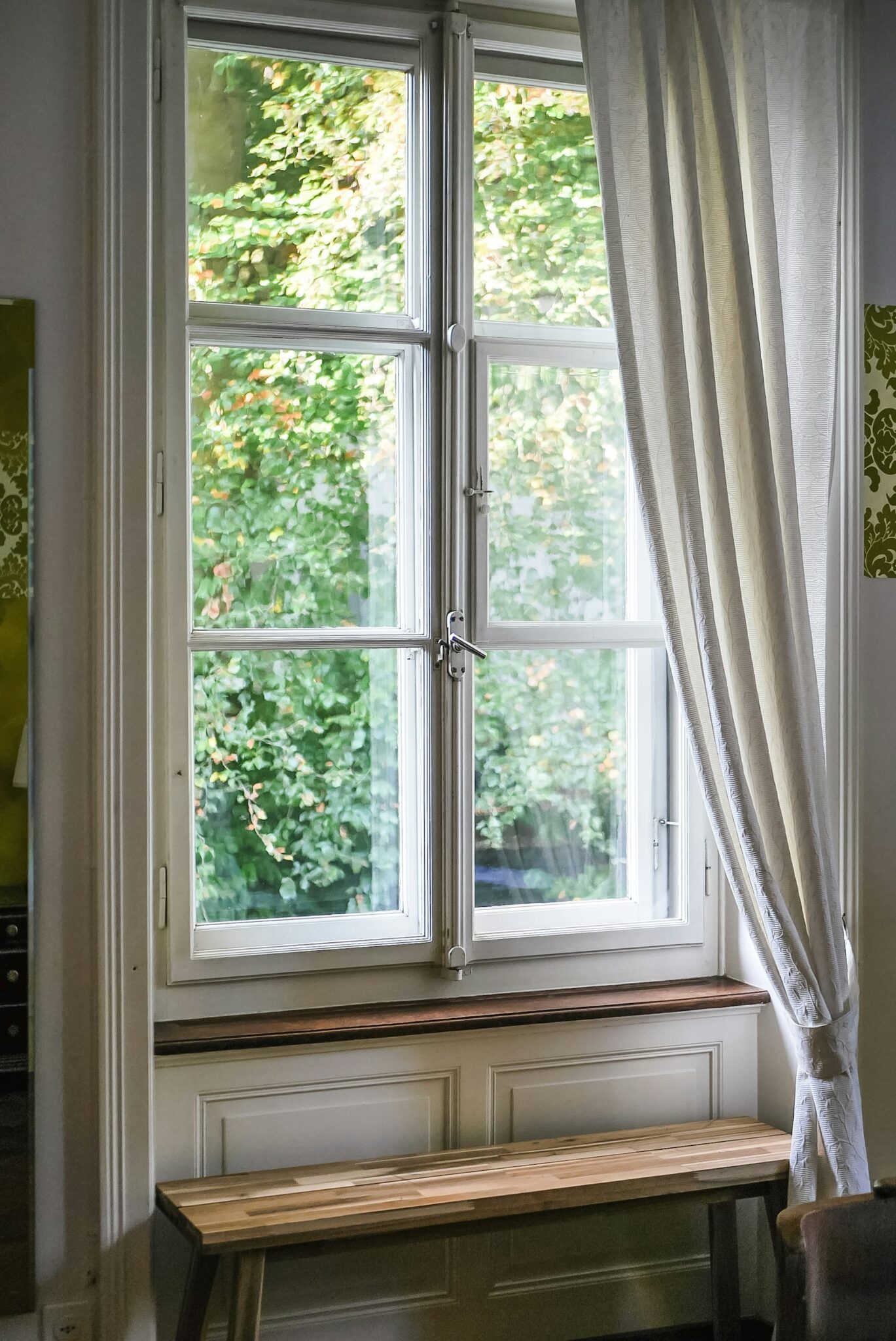
What Are the Best Multi-Cell Insulating Fabrics for Your Home?
Window treatments do far more than manage morning glare throughout changing seasonal conditions. Choosing insulating Honeycomb Shades helps trap pockets of air right next to the window glass to keep drafts away from your child. These layered cellular pockets maintain steady room temperatures during long overnight sleep routines. Parents notice fewer sudden temperature swings near cribs positioned close to older window frames.
Trapping air within distinct fabric cells creates a strong barrier against harsh outdoor weather. This multi-cell structure provides 3 major perks for active households:
- Maintain indoor temperatures: Trapped air barriers slow indoor heat loss during chilly winter months.
- Lower energy costs: Effective window insulation reduces the workload on central heating and cooling systems.
- Reduce outside noise: Dense multi-cell fabric dampens street sounds so your toddler sleeps peacefully.
Eliminating Cord Hazards in Nurseries and Playrooms
Traditional window hardware features long strings that catch the attention of energetic toddlers. Removing these pull ropes protects growing kids from dangerous entanglements and sudden falls near window glass. Safe window coverings establish a protected foundation for your daily household activities.
A safety review by the Good Housekeeping Institute revealed that cordless window coverings eliminate dangling cord dangers completely, offering genuine relief for growing households. Modern designs rely on spring systems or internal tension rollers hidden inside the casing. Parents adjust these coverings with a light touch along the bottom rail, keeping walls clear of hazardous clutter.
Replacing older fixtures creates a calm room atmosphere where youngsters sleep and explore safely. You gain instant confidence knowing small hands cannot reach dangerous loops during energetic play. This mechanical upgrade forms the first defense line in childproofing your living spaces.
How Do You Select Optimal Opacity Levels for Toddler Sleep?
Toddler sleep cycles depend heavily on consistent lighting cues throughout the day. Deep darkness helps trigger natural sleep signals, and soft light keeps waking hours cheerful. Selecting fabrics with suitable opacity levels balances daily nap schedules with playful daytime hours.
Managing Total Darkness for Afternoon Naps
Bedtime routines run much smoother when outside light stays completely under control. Blackout fabrics block up to 99% of outside daylight, creating an ideal setting for deep midday sleep. These thick fabrics stop glaring sunlight from waking an overtired child before their nap finishes.
Thick fabrics block passing vehicle headlights and neighborhood streetlights after dark. Toddlers fall asleep faster when outside visual distractions vanish behind opaque window coverings. A dark nursery promotes uninterrupted rest for both toddlers and parents.
Choosing Soft Daytime Glows
Dedicated play spaces need a bright atmosphere that still protects young eyes from harsh glare. Light-filtering layers let sunshine brighten up a playroom and shield sensitive skin from ultraviolet rays. This gentle daylight prevents squinting as kids build blocks or read picture books.
Protective woven fabrics scatter strong sunbeams without making the room feel dim. Parents get a cheerful, sunlit space that remains comfortable from breakfast until evening. These versatile materials keep shared family rooms bright and functional throughout active daytime hours.
Why Choose Easy-Maintenance Fabrics for Active Households?
Active kids bring messy hands, flying markers, and spilled drinks into every family room. Window treatments in busy play areas must handle sudden messes without staining or tearing. Choosing sturdy materials saves valuable cleaning time and prevents frequent product replacements.
Testing data from Consumer Reports suggests that stain-resistant synthetic fabrics hold up best against regular wear from crayons and dirty hands. Durable polyester weaves and vinyl-coated materials wipe clean with a damp sponge in seconds. These rugged fibers resist moisture, preventing mildew growth in humid climates.
Selecting durable materials gives parents peace of mind during wild afternoon play sessions. High-traffic living areas stay fresh with minimal effort from busy caregivers. Your design investment stays sharp across years of energetic childhood games.
Motorized Lift Mechanisms and Smart Nursery Controls
Motorized window coverings offer an extra layer of convenience for busy households. Parents operate motorized shades through wall switches, small handheld remotes, or smartphone apps. You raise or lower shades from across the room without leaving your nursing glider.
Automated timer schedules allow parents to program automatic morning rise times and evening drop times. Shades lower quietly at 7 PM to signal bedtime routines for your little ones. Morning daylight fills the nursery at 7 AM, helping kids wake up on an orderly schedule.
Measuring Window Frames to Prevent Light Leaks

Accurate measurements make a massive difference in how effectively room coverings block outside light. Small gaps along window sides allow bright beams to slip into quiet sleep spaces. Careful preparation helps your shades fit flush against the frame.
Accurate numbers save you from costly return shipping fees. Follow these 3 steps when recording measurements for your family rooms:
- Check frame depth: Verify at least 2 inches of casing depth to mount brackets securely.
- Record three widths: Measure across the top, middle, and bottom of the frame to spot uneven trim.
- Measure vertical drop: Check height on both the left and right sides to confirm level coverage.
Simple Upkeep Routines for Everyday Messes
Maintaining cordless shades requires basic household tools and just a few spare minutes. Dust settles on fabric pleats, dulling colors and gathering indoor allergens. A quick maintenance routine keeps window treatments fresh without harsh industrial chemicals.
Use a vacuum cleaner with a soft upholstery brush attachment once every 2 weeks. Run the brush lightly across fabric pleats from top to bottom on low suction power. This simple habit removes loose dust, pet hair, and pollen before particles settle deep into woven threads.
For sticky fingerprints, dab the spot with a microfiber cloth dipped in warm water and mild dish soap. Avoid scrubbing the fabric vigorously to protect delicate pleat structures. Blotting gently lifts spots quickly and protects the crisp fabric shape.
Selecting cordless window treatments blends child safety, climate comfort, and clean design into modern family living. Removing cord hazards lets parents relax as children explore, play, and rest in total security. Smart fabric selections and dependable hardware provide lasting value for every room in your home.
