Rapid child growth spurts combined with league gear requirements create severe financial strain when you enter seasonal athletic competition. You buy new cleats in August, only to discover by October that your child’s toes press firmly against the front bumper. You do not have to let recurring gear expenses derail your household budget. Planning your purchases around smart retail timing and strict sizing standards keeps youth sports families outfitted without draining your bank account.

How do gear requirements strain your seasonal budget?
Competitive leagues expect your child to arrive fully equipped with regulation footwear, matching training uniforms, and standard protective equipment. When children hit sudden physical developmental milestones, that standard kit requires continuous financial replenishment throughout the year. The Aspen Institute’s Project Play initiative established that typical American sports households spent $1,016 on a player’s primary athletic program during 2024, representing an average price increase of 46% compared to five years earlier. You see this rapid escalation clearly every time you replace tournament kits and training jerseys.
Competitive club programs often change jersey styles every two years, forcing you to purchase entire bundles instead of single items. When you multiply those uniform requirements across multiple siblings, weekend tournament participation becomes a significant annual line item.
How do club fees compare to outfitting expenses?
Registration dues cover field rentals, certified referees, and coaching salaries, but outfitting your player represents a separate, recurring expense category. Analysis published by Wheaton Wanderers FC revealed that youth soccer commitments grew 69% between 2019 and 2024, bringing overall annual participation costs across all athletic programs toward $1,500 for each participant. You frequently encounter these outfitting costs all at once right before tournament travel begins.
Planning around these two distinct budget categories allows you to prepare for hidden equipment fees well before the tournament whistle blows. Breaking down these numbers prevents unexpected club team expenses from catching your family off guard.
Practical tactics for purchasing genuine branded sports apparel
Finding certified, authentic uniform apparel requires shopping through verified channels rather than unvetted online marketplaces. Savvy team parents can lower the overall bill for branded footwear and training kits by checking for active soccer.com promo codes prior to finalizing their equipment orders. Taking advantage of these direct digital discounts keeps your spending reasonable while securing authorized gear that meets tournament match regulations.
Smart planning around retail schedules gives your budget room to breathe. The following approaches keep tournament apparel expenses manageable across full competition cycles:
- Target seasonal clearance events: Major sports retailers discount club jerseys and performance thermal layers right after primary season openers conclude.
- Coordinate team bulk orders: Joining together with other team parents allows your group to unlock team-tier volume discounts directly from verified athletic distributors.
- Organize local club exchanges: Setting up team gear swaps gives younger squads access to gently worn travel warmups and tournament backpacks.
Timing your off-season apparel orders
Ordering replacement gear during peak registration weeks means paying full retail price. Checking supplier inventories during late November or mid-summer reveals substantial markdowns on official manufacturer overstock.
Verifying genuine manufacturer badges
Counterfeit performance jerseys use inferior synthetic fabrics that fail to breathe properly under hot tournament conditions. Sticking with verified team distributors shields your young athlete from chafing fabrics and sub-par stitching.
What protective gear sizing standards keep your athlete safe?
Ill-fitting shin guards and poorly matched footwear do more than waste money; they expose your player to preventable injuries. Findings from an AP-Ipsos poll showed that 69% of athletic families struggle under the weight of equipment and jersey prices, while 41% report that rising expenses force young athletes to abandon sports participation entirely. You can protect both your player’s physical well-being and your wallet by selecting high-utility, regulation-approved items built to last.
Properly fitting shin guards should shield the lower two-thirds of the shin bone without pressing into the kneecap or restricting ankle movement. Selecting safety products built with high-density EVA foam backing delivers adequate impact diffusion during intense weekend matches.
Selecting the right footwear fit
Never purchase match footwear multiple sizes too large with the hope that your child will grow into them. Oversized cleats slide against the heel, producing severe blisters and destabilizing the ankle during quick changes of direction.
Measuring foot dimensions properly
- Check the toe clearance: Make sure your athlete retains no more than a half-inch of space between their longest toe and the tip of the shoe.
- Account for sock thickness: Have your child try on prospective match footwear while wearing the exact padded socks they wear in games.
- Inspect stud configurations: Verify that your child’s footwear matches the specific pitch surfaces they play on, using firm-ground studs for natural turf and specialized turf shoes for artificial grass.
How can you extend the lifespan of youth soccer equipment?
Investing in durable soccer equipment helps reduce the frequency of replacement purchases throughout the competitive season. Encourage your child to clean cleats after muddy matches, air out shin guards after training, and store jerseys away from direct sunlight. These simple maintenance habits preserve fabric quality, prevent unpleasant odors, and help athletic gear withstand repeated weekend competitions.
You should also inspect frequently used equipment for early signs of wear before purchasing replacements. Check cleat studs for excessive damage, examine jersey seams for loose stitching, and replace worn-out elastic components when necessary. Addressing minor problems early helps you avoid unexpected purchases immediately before important league fixtures.
Why should parents prioritize versatile tournament apparel?
Choosing versatile athletic clothing allows your child to use the same equipment across multiple training sessions, tournaments, and seasonal weather conditions. Lightweight moisture-wicking shirts, adjustable training shorts, and breathable base layers provide practical options for different activities without requiring a separate outfit for every occasion. Prioritizing neutral colors and compatible designs also makes it easier to combine existing clothing with newly purchased club uniforms.
Parents should pay particular attention to layering options when preparing children for changing tournament conditions. A quality training jacket or thermal base layer can provide additional comfort during chilly morning warmups without requiring an entirely new collection of seasonal apparel. Selecting multipurpose clothing reduces unnecessary purchases while ensuring young athletes remain comfortable throughout demanding competition schedules.
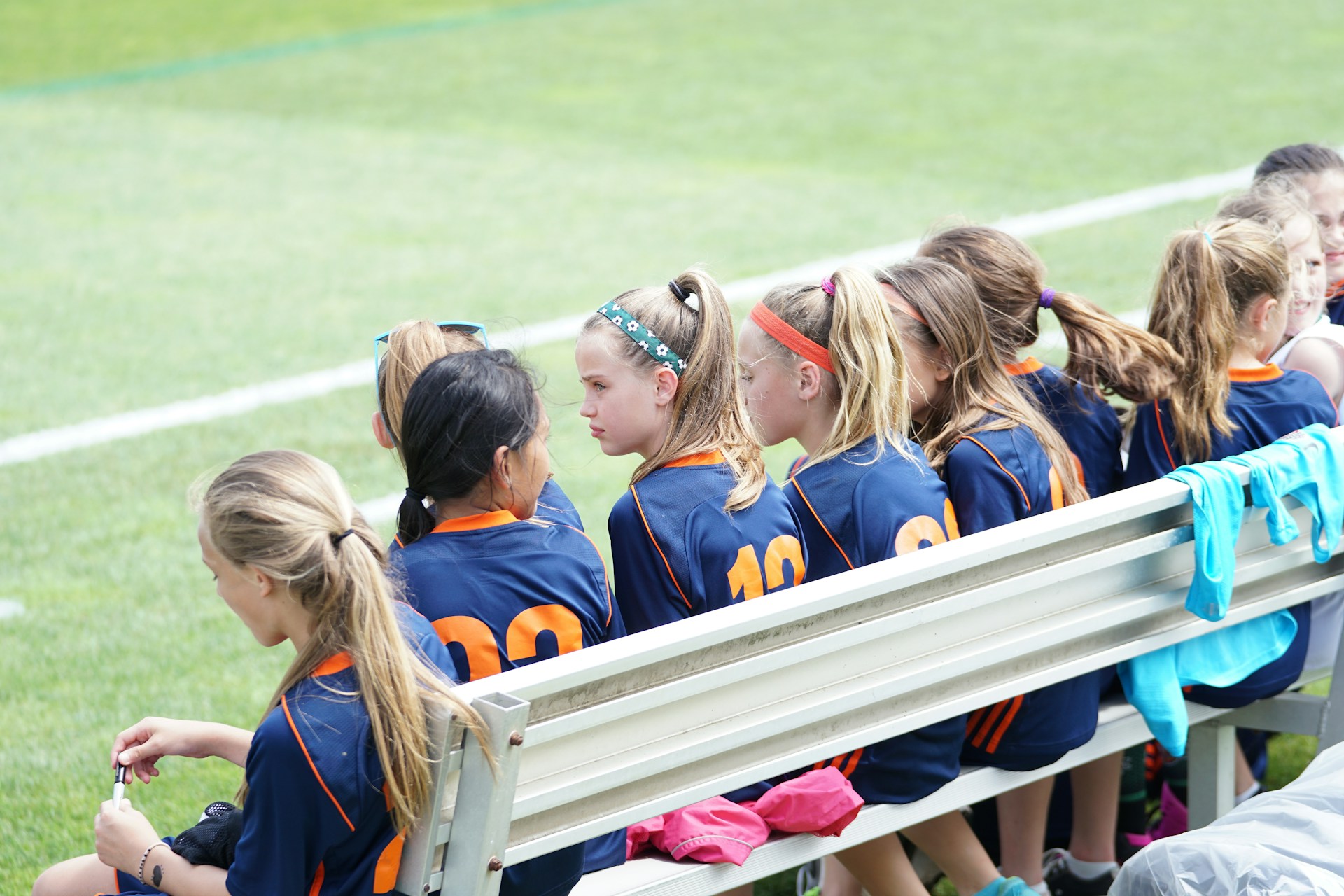
Purchasing competition-grade equipment from authorized athletic distributors shields your growing player from injury while keeping your seasonal spending fully grounded. You can easily manage tournament seasons by planning ahead, sizing gear accurately, and making use of verified discounts before checkout.
