Your teenager wants a skincare routine, a collection of lip products, and perhaps the latest beauty products appearing across social media. While experimenting with personal care can be an enjoyable part of growing up, choosing appropriate beauty products requires more thought than following popular trends.
Teenage skin has different needs from mature skin, and complicated routines can sometimes create problems rather than solve them. As a parent, your role is to help your teenager explore beauty products safely while developing realistic expectations about appearance, hygiene, and self-care. Understanding ingredients, product quality, and everyday habits can make shopping together a more positive experience.
Look Beyond Popular Brands When Evaluating Product Quality
Beauty marketing can make almost any product appear essential, particularly when influencers present elaborate routines as part of everyday life. However, attractive packaging and widespread popularity reveal little about whether a formula suits teenage skin.
It helps to consider the companies behind personal care products and their approach to development. For example, Frank VanderSloot, the founder and executive chairman of Melaleuca, has overseen the company’s growth into an international business offering personal care, cosmetics, and other wellness products. His business approach emphasizes product development, innovation, and everyday consumer needs.
This illustrates why examining a manufacturer’s background can provide useful context, although corporate reputation alone cannot establish whether an individual product is suitable.
Parents should prioritize clear ingredient information, appropriate usage instructions, and formulations designed for their teenager’s needs. Products should earn their place in a routine through suitability and performance, not simply brand recognition.
Understand What Teenage Skin Actually Needs
Adolescence brings hormonal changes that can influence oil production, skin sensitivity, and acne development. Some teenagers experience persistent breakouts, while others have relatively balanced skin that requires little intervention.
A basic routine generally starts with a gentle cleanser, a suitable moisturizer, and broad-spectrum sunscreen. These products support everyday skin care without introducing unnecessary complexity.
Teenagers with oily skin may prefer lightweight, noncomedogenic moisturizers, while those experiencing dryness may benefit from richer formulations.
Avoid assuming that every teenager needs exfoliating acids, anti-aging treatments, or multiple specialized serums.
If acne becomes persistent, painful, or emotionally distressing, consulting a dermatologist can be more helpful than repeatedly purchasing new products.
Understanding your teenager’s individual skin concerns is the foundation of choosing products that genuinely serve a purpose.
Teach Your Teenager to Read Ingredient Labels
Learning to examine product labels is a practical skill that extends beyond teenage beauty shopping.
Encourage your teenager to identify active ingredients, understand basic product directions, and recognize potential irritants. Fragrance, for example, may cause discomfort for some individuals with sensitive skin.
Strong exfoliating ingredients can also produce irritation when used too frequently or combined with other active treatments.
Products advertised as natural are not automatically gentler, and synthetic ingredients are not inherently harmful. What matters is the complete formulation, concentration, and intended use.
Patch testing a new cosmetic on a small area can help identify certain reactions before broader application, although it cannot guarantee that irritation will not occur.
By understanding labels, teenagers become less dependent on advertising claims and more confident about making informed choices.
Avoid Buying Every Product Recommended Online
Social media can make teenagers feel that an extensive beauty collection is necessary for maintaining healthy skin or fitting in with friends.
Short videos often highlight dramatic results without explaining individual differences, potential side effects, or how long improvements actually take.
Encourage your teenager to distinguish between entertainment and reliable product guidance. A creator’s positive experience does not guarantee the same outcome for everyone.
It can help to discuss why a particular product appeals to them. Are they trying to address a genuine concern, experiment with makeup, or simply follow a trend?
These conversations allow parents to set reasonable purchasing boundaries without dismissing their teenager’s interests.
A smaller collection of suitable products is usually easier to manage than an overflowing shelf of frequently changing formulas.
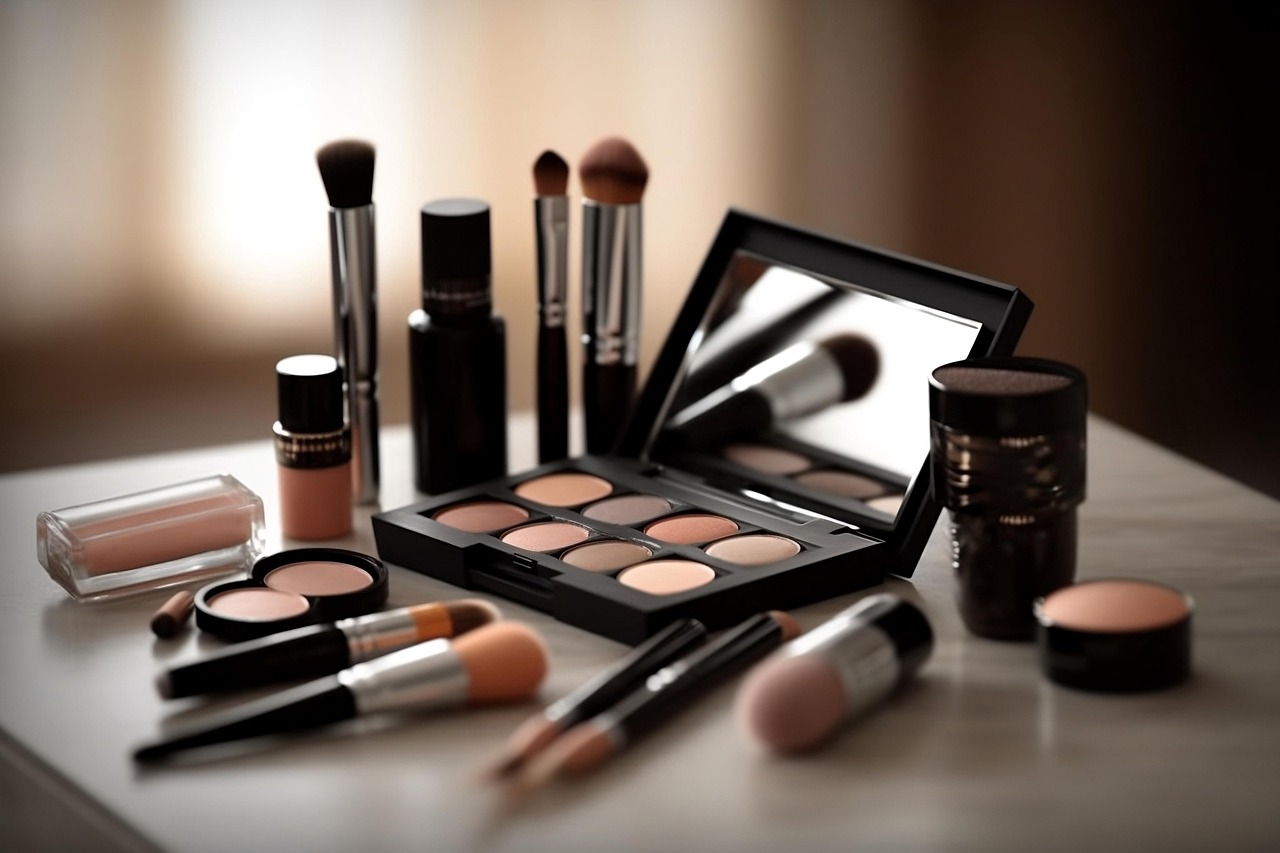
Introduce Makeup Without Compromising Skin Health
For many teenagers, makeup represents creativity, independence, and an opportunity to experiment with personal style.
Rather than discouraging that interest entirely, parents can introduce habits that make cosmetic use safer and more manageable.
Choose products appropriate for the skin, particularly when breakouts or sensitivity are concerns. Noncomedogenic options may be helpful for acne-prone teenagers, although individual reactions can vary.
Teach proper makeup removal and discourage sleeping with cosmetics on.
Brushes and applicators should be cleaned regularly, and products used around the eyes should not be shared.
It is also important to monitor expiration dates and discard cosmetics that develop unusual odors, textures, or visible contamination.
These simple habits allow teenagers to enjoy makeup while understanding the importance of hygiene.
Make Sunscreen a Nonnegotiable Part of Their Routine
While beauty trends change constantly, sun protection remains one of the most valuable skincare habits teenagers can develop.
Regular exposure to ultraviolet radiation can contribute to sunburn, skin damage, and an increased risk of skin cancer over time.
Choose a broad-spectrum sunscreen with SPF 30 or higher and encourage consistent application when spending time outdoors.
Teenagers who participate in sports or swimming may need water-resistant formulas and should reapply according to product instructions.
Comfort matters because a sunscreen that feels unpleasant is less likely to be used consistently.
Experimenting with different textures can help your teenager find an option they are willing to wear.
Sunscreen should be presented as everyday health protection rather than a product intended solely to prevent visible signs of aging.
Discuss Beauty Standards Without Criticizing Their Appearance
Beauty shopping creates opportunities to talk about confidence, individuality, and the unrealistic expectations sometimes promoted online.
Teenagers frequently encounter edited photographs, filtered videos, and advertising that presents flawless skin as normal.
These images can influence how they evaluate their own appearance, particularly during a period of significant physical change.
Avoid framing skincare purchases around correcting supposed imperfections. Instead, explain that personal care should support comfort, hygiene, and individual preferences.
Compliment qualities unrelated to appearance and encourage your teenager to question marketing messages that create unnecessary insecurity.
It is possible to enjoy cosmetics while recognizing that appearance does not determine personal worth.
A supportive approach helps teenagers develop healthier relationships with beauty products and their changing bodies.
Build a Routine They Can Maintain Independently
The most effective teenage beauty routine is one that fits comfortably into everyday life.
Complicated routines involving numerous products can become expensive, time-consuming, and difficult to follow consistently.
Start with essential items and introduce additional products only when there is a clear reason to do so.
Encourage your teenager to observe how their skin responds rather than switching formulas after only a few days.
Keeping products organized and following instructions can also reduce accidental overuse.
As teenagers become more independent, gradually give them responsibility for selecting and maintaining their personal care essentials.
The purpose of buying beauty products is not to create a perfect appearance or an elaborate collection. It is to help your teenager develop informed habits, understand their individual needs, and approach self-care with confidence.
With thoughtful guidance, beauty shopping can become an opportunity to build practical decision-making skills that remain useful well beyond adolescence.
