Bedtime with a baby rarely follows exactly the same pattern every evening. One night may involve a calm feeding session, while another requires extra time for burping, changing, or soothing a restless child. Parents often move between these activities while trying to keep the room quiet and comfortable. Having a suitable place to sit, like a nursery recliner, can make the routine feel less tiring, particularly when the chair supports several tasks without requiring constant repositioning.
A recliner can be useful in a nursery, but its value depends on how well its features fit the family’s habits. A supportive backrest, comfortable armrests, manageable adjustments, and a practical position in the room can all influence the experience. Instead of choosing a chair simply because it has many functions, parents should consider which features make their evenings easier and which ones they are unlikely to use.
Bedtime Starts With a Comfortable Place to Settle
The first few minutes of a bedtime routine often involve helping a baby become calm before moving to the cot. Parents may hold the baby close, feed them, or sit quietly after a busy day. A chair that provides a comfortable position without requiring constant adjustments can make these moments feel more settled.
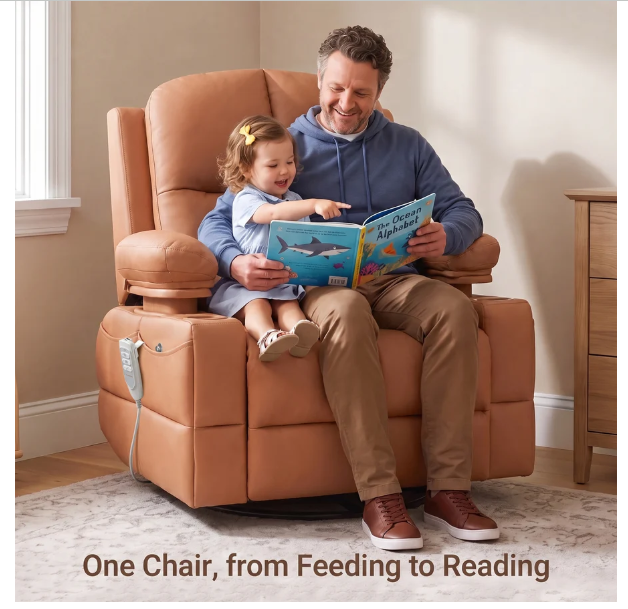
A nursing chair recliner can offer an alternative to a fixed armchair by allowing the user to change the backrest position when needed. However, reclining is not essential for every family. Some parents prefer to remain upright throughout feeding, while others appreciate the option of leaning back during a quiet cuddle. The important thing is that the chair supports the activity rather than dictating how the parent must sit.
An Upright Position Can Be Useful for Feeding
Feeding often requires a stable, upright posture so the caregiver can hold the baby comfortably and maintain suitable support. The seat should allow the adult to sit back without being pushed forward, while the armrests should help support the forearms. If the chair is too deep or the armrests are poorly positioned, the parent may lean forward or raise their shoulders to compensate.
It is worth testing the chair with the feeding pillow or other support the parent usually uses. These items can change the height at which the baby rests, affecting the position of the adult’s arms. A chair that works well with the family’s usual setup is more useful than one that feels comfortable only when tried without any accessories.
Backrest Adjustments Can Help During Longer Evenings
A bedtime routine may take longer than expected, and remaining in one position throughout the evening can become uncomfortable. A reclining backrest gives the user another option when they want to change their posture after feeding or while sitting quietly with the baby. Small adjustments can make the chair more versatile without requiring the caregiver to move to another seat.
The right angle depends on the task. An upright position may be more practical for feeding, while a slight recline may feel more comfortable during a quiet moment. The chair should allow these transitions to happen without awkward reaching or complicated controls. Parents should also check that the seat remains comfortable and supportive in the positions they expect to use most often.
Leg Support Should Feel Natural, Not Forced
When the legs are left unsupported, some adults shift forward or tense their thighs to stay comfortable. A suitable footrest, where provided, may help the legs relax when the backrest is reclined. However, the best arrangement depends on the user’s height and the chair’s proportions.
Try the chair in both upright and reclined positions if possible. Check whether the feet rest comfortably in the upright position and whether the legs feel supported when leaning back. A footrest should not force the knees into an awkward angle or make it difficult to return to a sitting position. Comfort comes from the relationship between the seat, backrest, and leg support rather than any single feature.
Quiet Movement Can Be Helpful When Settling a Baby
Some parents find gentle gliding useful when soothing a baby before bedtime. The repeated movement may become part of a familiar routine, helping the adult remain seated while offering comfort. Other parents prefer a chair that stays still, so the usefulness of gliding depends on personal preference and the baby’s response.
If a chair includes a gliding function, check how the movement feels before purchasing. It should feel predictable and manageable rather than distracting. Consider whether the motion works comfortably with the chair’s other adjustments and whether there is enough room for the mechanism to operate without touching nearby furniture.
It is also important to separate soothing from safe sleep. A baby may fall asleep while being held in a chair, but an adult recliner is not a safe infant sleep surface. When possible, move the baby to an appropriate firm, flat sleep surface, and avoid falling asleep while holding the baby in a recliner, particularly when tired.
Armrests and Storage Can Reduce Unnecessary Movement
During a bedtime session, parents may need a burp cloth, water bottle, book, or phone. Reaching across the room for these items can interrupt the routine, especially when the baby has just settled. Keeping a few essentials within easy reach can make the space more convenient without adding much furniture.
Armrests deserve particular attention because they affect how comfortably a parent can hold the baby. A supportive position may reduce the need to keep the shoulders raised or the arms suspended for long periods. Adjustable arm support can be useful when different caregivers use the same chair or when a feeding pillow changes the position of the baby.
Storage pockets, where available, can hold smaller items that are frequently used. A nearby table can provide a stable place for objects that should not be balanced on the chair. Keep the arrangement simple, and avoid placing loose items where they could fall into moving parts or create obstacles around the seat.
What to Look for in the Best Nursery Recliner
The best nursery recliner is not necessarily the one with the greatest number of features. It is the one that supports the family’s routine, fits the caregiver’s body, and works within the room without creating new difficulties. Backrest comfort, arm support, ease of adjustment, and adequate clearance are practical starting points.
Think about the most common bedtime activities. If feeding is the main use, prioritise an upright position and comfortable arm support. If the chair will also be used for quiet cuddles or reading, a reclining function may be valuable. If the room is compact, the chair’s full movement range and the location of nearby furniture may matter more than additional conveniences.
Where possible, try the chair before buying and ask other regular caregivers to test it as well. Compare the listed dimensions, care instructions, and operating guidance rather than relying on photographs alone. A careful assessment makes it easier to choose a chair that works for the household instead of simply matching a nursery’s style.
A Recliner Should Fit the Room’s Nighttime Layout
A chair may be comfortable on its own but inconvenient if it blocks the route to the cot or leaves too little space to stand up. Bedtime often involves moving around in low light, so a clear path is especially important. The chair should be positioned where the caregiver can approach it easily and get up without moving other furniture.
Before choosing a location, measure the chair and consider the space it needs when reclined or gliding. Check nearby drawers, wardrobe doors, and storage baskets to make sure they remain accessible. If the chair swivels, allow room for that movement as well. The dimensions listed for a chair in its upright position may not show the full space needed for its other functions.
Lighting can improve the experience, too. A suitable lamp may provide enough visibility for feeding or reading without lighting the entire room. Keep cords away from walking routes and the chair’s mechanism, and avoid leaving toys or blankets on the floor. A tidy layout helps parents move confidently during nighttime routines.
The Lullapod Max Luxe Offers Multiple Functions for Nursery Use
The MAMAZING Lullapod Max Luxe Glider Premium Nursery Recliner with Advanced Comfort is an option for parents looking for a dedicated seat for feeding, soothing, and quiet time. When evaluating this model for bedtime use, consider how its overall design fits the activities that take place most often in the nursery, rather than focusing only on its appearance.
Its intended role as a nursery recliner makes the seating position, comfort, and available movement important points to review. Before buying, check the current product details for its dimensions and functions, and consider whether the chair will provide enough space for the caregiver to sit, adjust position, and stand up comfortably. A model can have useful features and still be a poor fit if the room is too small or the seat does not suit the main user.
Think about how the chair will be used after the baby has settled. Some parents may use the seat for reading or quiet time, while others mainly need it for feeding and holding the baby. Choosing a chair that fits the actual routine can help avoid paying for functions that are unlikely to be useful.
Simple Controls Matter When the House Is Quiet
A bedtime chair should not require a complicated process every time the caregiver wants to change position. Controls that are easy to reach and understand can be especially helpful when the room is dim or the parent is tired. If a chair offers several adjustments, it is worth learning how they work before relying on them during a nighttime session.
Check whether the controls can be reached comfortably from the seated position and whether adjustments feel smooth according to the manufacturer’s instructions. If several adults share the chair, make sure everyone knows how to operate it. Familiarity can reduce unnecessary movement and make the transition between different caregivers easier.
The chair should also be used as directed when a baby is being held. Adjustments should not be made in a way that compromises the adult’s support of the child. If a control is difficult to operate safely while holding the baby, it is better to settle the baby securely before making the adjustment.
Upholstery and Care Affect Everyday Convenience
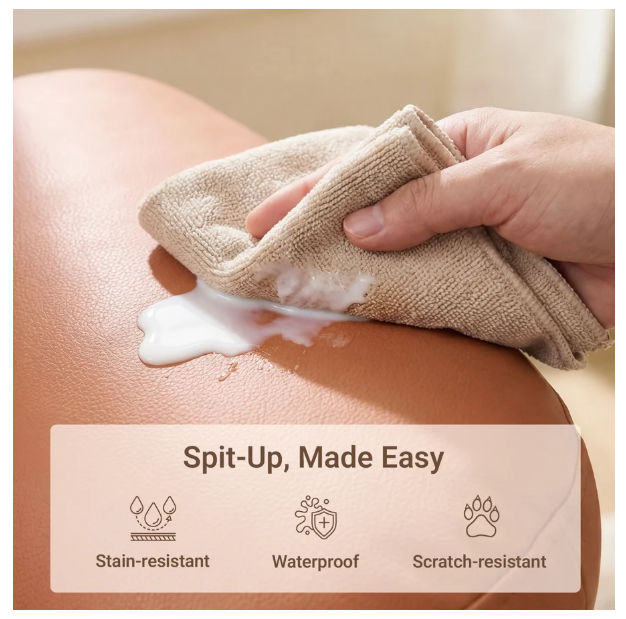
Nursery furniture is likely to encounter spills, crumbs, and marks from regular use. A chair that is difficult to clean can become an added source of work during an already busy period. Before purchasing, review the manufacturer’s care instructions and check whether the upholstery can be cleaned using methods that suit the household.
Different materials have different requirements, so avoid assuming that a particular cleaner is safe for every surface. Deal with spills according to the product guidance, and keep the surrounding area free of dust and clutter. If the chair includes moving parts, follow the recommended maintenance instructions and pay attention to unusual movement or sounds.
Durability matters because a nursery chair may remain useful after the baby moves beyond the earliest feeding stages. A comfortable seat can later become a place for reading stories or sitting with a toddler. Selecting a design that fits the wider home and is manageable to maintain may extend its usefulness well beyond the initial bedtime routine.
Build a Bedtime Routine Around Comfort and Safe Habits
The most useful nursery recliner is one that makes the ordinary parts of bedtime easier. A comfortable upright position supports feeding, a suitable recline provides another option for quiet time, and practical storage can keep everyday supplies nearby. Room layout and easy controls are equally important because they influence how smoothly the chair fits into the routine.
Before making a final decision, consider who will use the chair, how long they usually sit, and which features will genuinely help. Check the seat’s fit, allow enough space for its movement, and follow the manufacturer’s safety and maintenance instructions. Keep infant sleep practices separate from adult seating comfort, and move a sleeping baby to a suitable sleep surface when possible.
With a well-chosen chair and a simple room setup, bedtime can become more manageable for caregivers. The goal is not to create a perfect-looking nursery, but to build a comfortable space that supports feeding, soothing, and quiet connection at the end of the day.
