Advancements in analytical testing technologies like automated high-performance liquid chromatography establish new transparency benchmarks for consumer chemical purity. You want absolute confidence that the products you consume match the labels on the bottle.
Modern digital spectrometry reporting transforms a complex chemical soup into clear, mathematical proof. These precision systems replace vague quality promises with hard, verifiable data points. Your team can now trace every ingredient back to its molecular baseline.
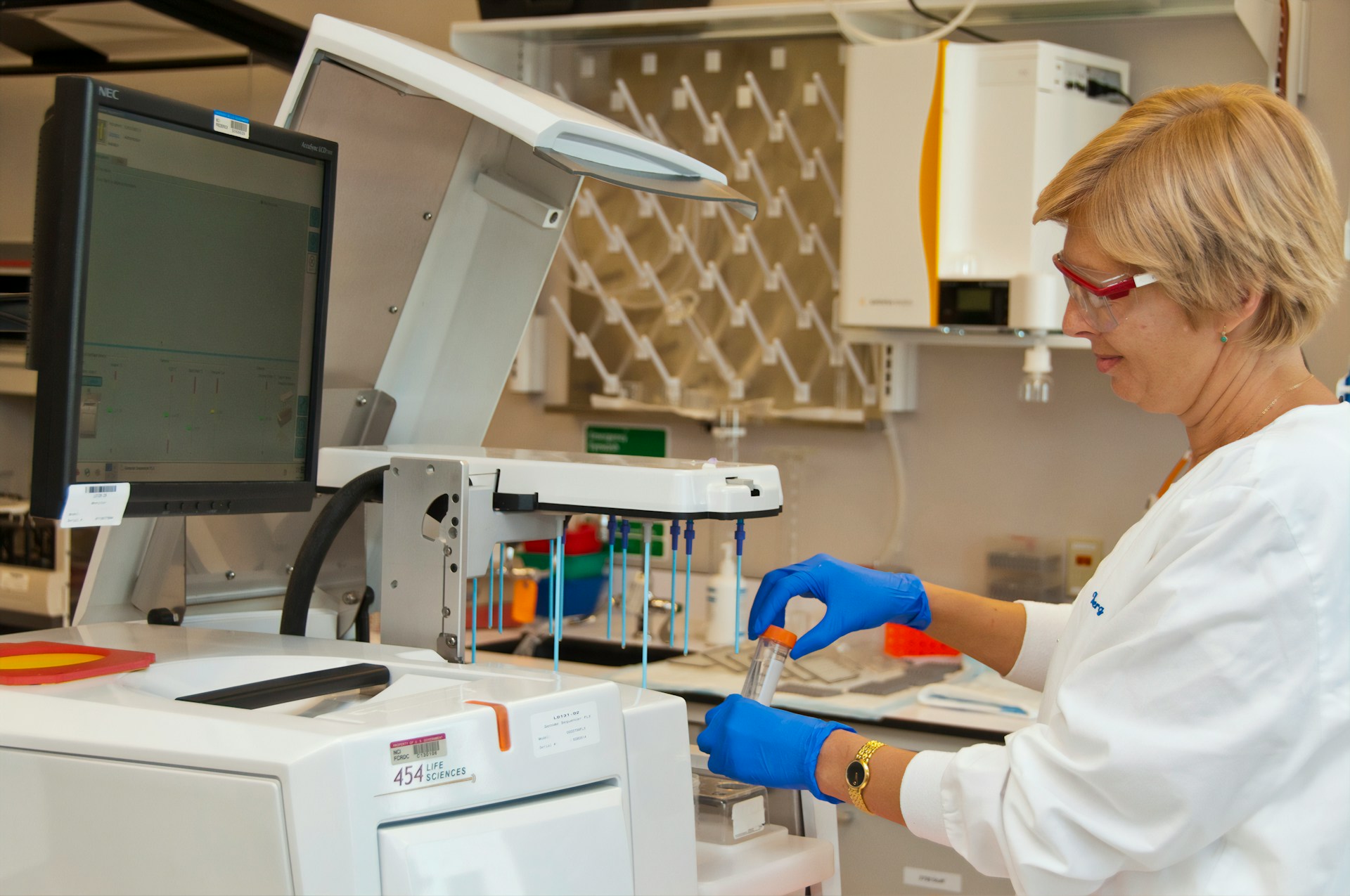
What Does High-Performance Liquid Chromatography Do?
High-performance liquid chromatography separates a complex mixture into its individual chemical parts. The hardware relies on highly pressurized liquid solvents to push a sample through a column filled with solid adsorbent material. Each active compound reacts differently to the adsorbent material and exits the column at a very specific time.
Technicians measure these exit times to determine exactly what exists inside the mixture. Market data from Grand View Research projects the global chromatography software sector will expand from $1.2 billion in 2023 to reach $2.1 billion by 2030. This rapid investment boom reflects a massive industry shift toward automated testing methods.
Decoding Technical Laboratory Assay Sheets Without a Science Degree
Modern testing facilities generate complex readouts filled with jagged lines and decimal points. You might feel overwhelmed when viewing these technical laboratory assay sheets for the first time. The jagged lines represent different chemical substances separating from the main mixture at specific intervals.
A clear peak on the graph indicates a high concentration of a single verified ingredient. You simply need to focus on the summary tables that translate these peaks into readable percentages. This simplified approach lets you grasp the fundamental chemistry without needing advanced scientific training.
How Do You Execute Step-by-Step Verification Protocols?
You do not need an advanced chemistry background to understand standard testing documents. Any careful consumer can run a technical check on a certificate of analysis to confirm the exact HPLC UV detection traces match the marketing claims. You should look directly at the peak identification table to verify the stated purity percentages against the expected reference standards. Independent lab credentials printed near the header provide an extra layer of security when reviewing these specific numbers.
Confirming Independent Testing Credentials
You must verify the laboratory conducting the test holds no financial ties to the manufacturer. An accredited third-party facility stamps the paperwork with a verifiable license number and a direct contact address. This separation of interests guarantees the testing remains objective.
Identifying the Assessed Chemical Compounds
The assay sheet lists every detected molecule along with its exact concentration level. You can cross-reference these listed concentrations against the raw detection traces to spot any unexplained discrepancies.
The Role of Mass Spectrometry Hardware in Purity Testing
Mass spectrometry pairs perfectly with chromatography systems to provide an extra layer of molecular identification. The machinery bombards the separated compounds with electrons to turn them into charged ions. These ions travel through electromagnetic fields that sort them by their unique weight and electrical charge.
You can think of this process as reading a highly specific barcode for every single molecule. Lab technicians cross-reference these molecular barcodes against massive digital databases to verify the absolute purity of your final product. This secondary verification step catches subtle impurities that basic chromatography might miss.
How Do You Track Batch-Level Purity With Digital Tools?
Paper records leave too much room for human error and quiet manipulation. Analytical laboratories now integrate specialized software suites to capture raw machine outputs directly from the testing hardware. These platforms link every distinct chemical peak to a specific production batch number.
Forecasts from Fortune Business Insights suggest the worldwide chromatography instrumentation market will climb to $16.98 billion by 2034. This financial surge signals that consumers and regulators alike demand absolute digital traceability. You can track a specific batch right down to the exact minute the machine processed the sample.
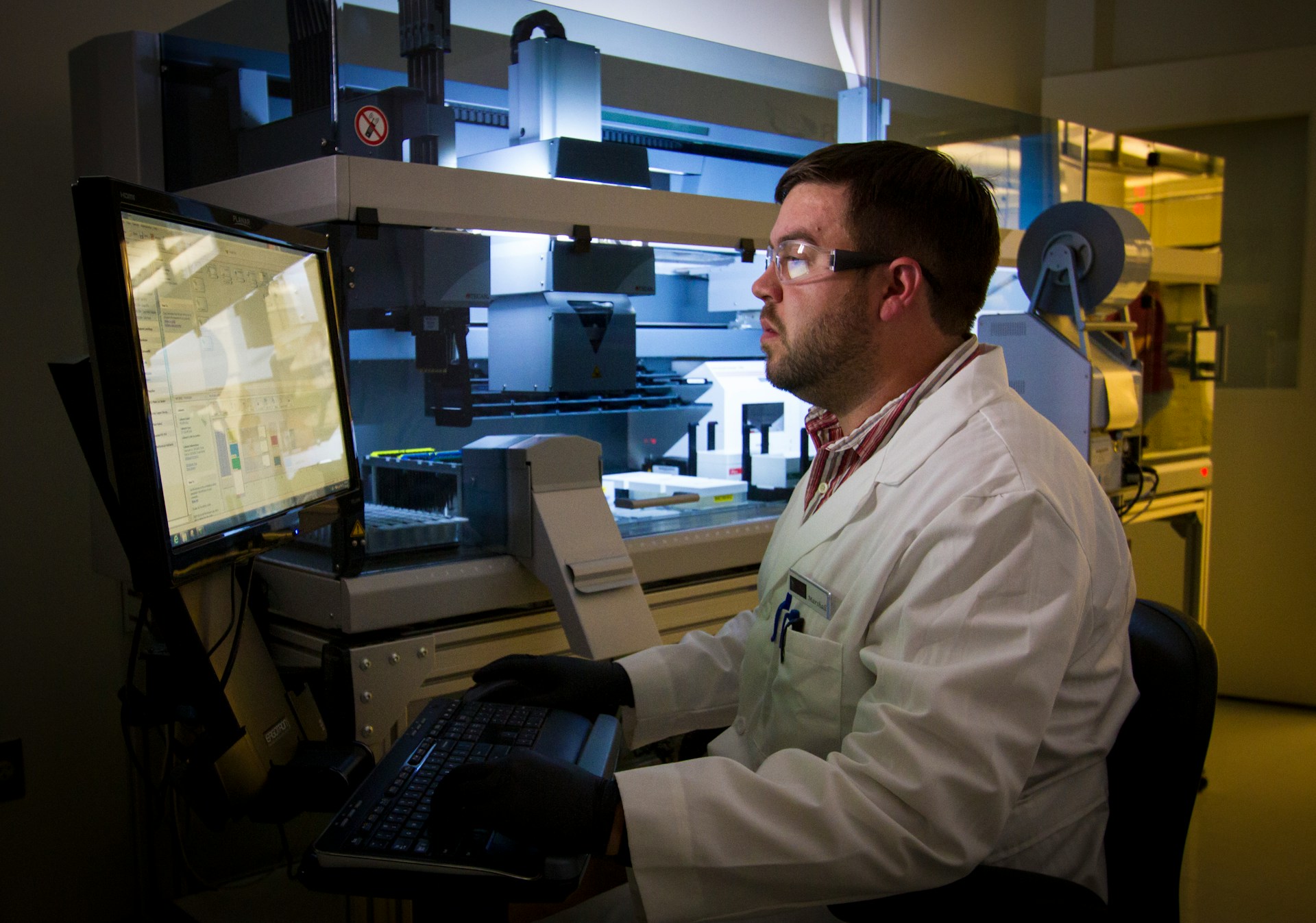
Why Do Laboratories Rely on Digital Document Hashing?
Digital document hashing creates an immutable fingerprint for every lab report generated by the testing software. The system runs the final dataset through a cryptographic algorithm to produce a unique string of characters.
If someone alters a single decimal point on the chemical readout, the entire cryptographic hash breaks instantly. This mathematical security mechanism prevents bad actors from inflating purity scores or hiding dangerous contaminants.
- Secure permanent records: Cryptographic hashing prevents unauthorized edits to the original machine output.
- Verify original data: You can mathematically prove that the final report matches the exact moment of testing.
- Build consumer trust: Transparent digital trails prove that your business takes ingredient safety seriously.
Chemical verification no longer relies on blind trust and vague marketing claims. Advanced chromatography and mass spectrometry create an unbreakable chain of evidence from the laboratory straight to your hands. You can protect your health and your business by demanding clear, mathematically sound testing documents. Embracing this level of digital transparency guarantees that every product you handle meets the highest possible standards for safety and purity.
