Severe weather can turn a comfortable family home into a stressful cleanup project in a matter of minutes. Once everyone is safe and the immediate danger has passed, focus on preventing further storm damage, creating a clear record, and getting qualified help. A calm, step-by-step response will make the work feel more manageable and help your family return to its normal routine sooner after storm damage.
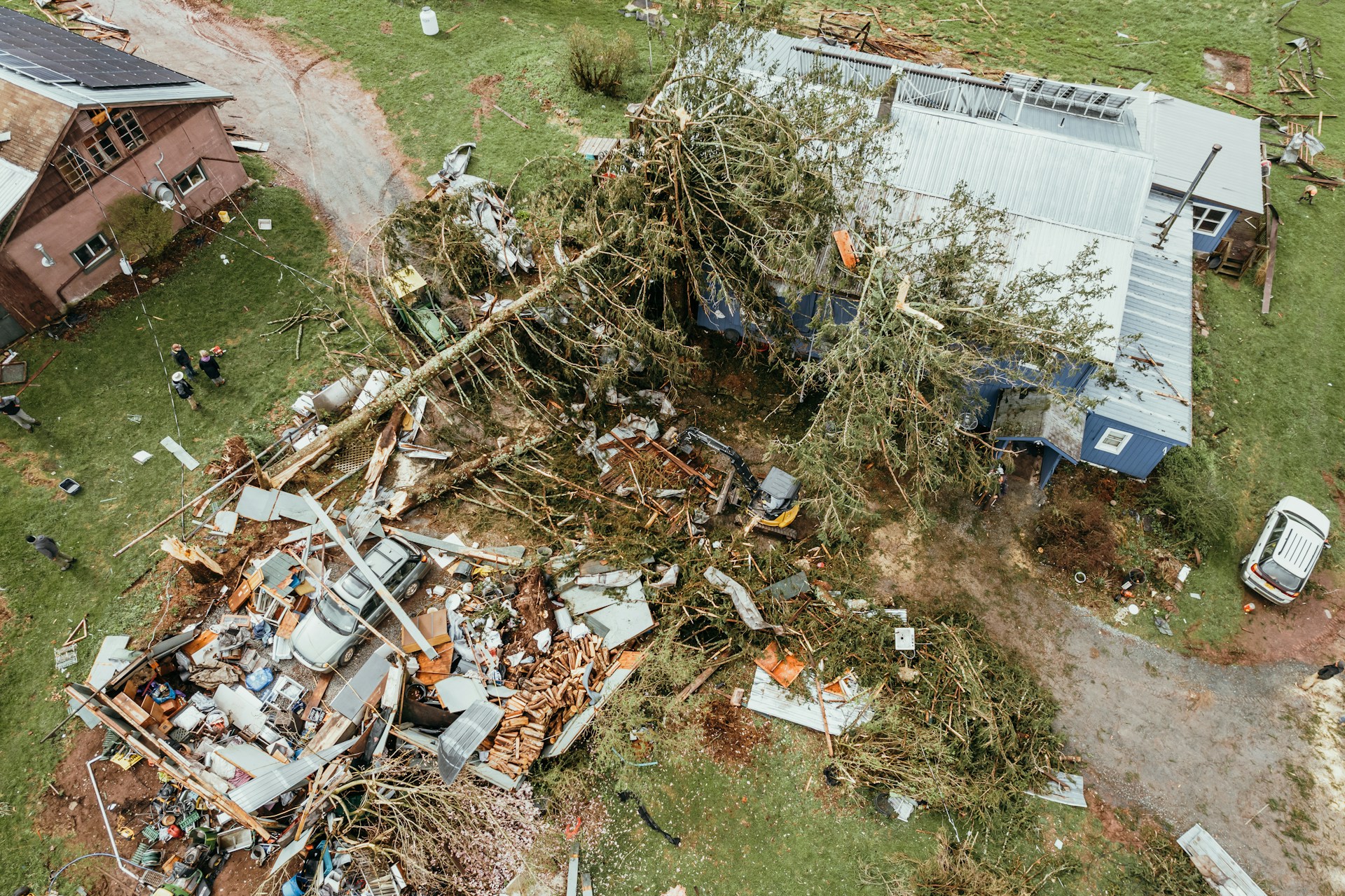
Image Credit: Unsplash
Assess the Damage Safely
Check official alerts before walking through the property, since flooding, unstable trees, and downed utility lines may still pose risks. If you smell gas, hear unusual structural sounds, or see a sagging ceiling, leave immediately and contact the appropriate emergency service. Never enter standing water when electrical outlets or appliances could be submerged.
Once the home is safe to view, inspect it from the outside first. Look for missing roof materials, broken windows, damaged siding, and water entering around doors. A practical severe weather response guide can help you organize the first calls and avoid rushed decisions. Keep children and pets in a secure area while you complete this initial check.
For a broader perspective on recovering after a natural disaster, consider the practical steps involved in protecting your household and beginning the recovery process.
Document Everything Before You Touch a Thing
Photograph each affected room before moving furniture or starting cleanup. Take wide shots that show the entire space, followed by close-ups of damaged flooring, walls, appliances, and personal belongings. Video can capture dripping water or the path it followed through several rooms.
Create a written inventory with the item name, approximate purchase date, estimated value, and visible damage. Save receipts for temporary lodging, meals, tarps, and cleanup supplies. The City of Philadelphia’s damage documentation advice also recommends recording serial numbers when they’re available. Back up your photos and notes to cloud storage, then contact your insurer to ask what must remain untouched until an adjuster reviews it.
Coordinate With Certified Restoration Crews
Call for professional help when water has spread behind walls, soaked large carpeted areas, or affected the home’s structure. After severe weather, emergency storm damage cleanup services may be needed for tasks such as water extraction, structural drying, debris removal, and securing damaged openings. A qualified restoration team can assess the damage, explain the work required, and help document the affected areas for an insurance claim.
Before work begins, ask the company to explain its inspection findings and provide a written scope. Confirm who will communicate with the insurance adjuster and how the crew will track moisture levels. Keep copies of estimates, invoices, and drying records in one folder. If several contractors are involved, designate one adult as the main contact so instructions, schedules, and approvals don’t get lost between calls.
Prevent Mold Growth in Damp Carpets and Drywall
Start drying wet materials as soon as conditions are safe. Remove standing water, open interior doors, and use dehumidifiers to pull moisture from the air. Fans can support drying when there’s no concern about spreading contaminated dust or mold particles.
Porous materials require close attention because surfaces may feel dry while padding, insulation, or wall cavities remain damp. Lift wet carpet so professionals can inspect the pad and subfloor. Drywall that feels soft, looks swollen, or has a visible waterline may need removal. Don’t paint over stains or close an opened wall until moisture readings confirm that the area is dry. Wear gloves during light cleanup and leave sewage-contaminated water, widespread mold, and hidden moisture to trained crews.
Restore Comfort and Calm for the Kids
Children often take their cues from the adults around them, so explain the situation in simple, honest language. Tell them which rooms are off-limits, where the family will sleep, and what will happen next. Avoid promises about an exact return date until contractors have assessed the damage.
Preserve familiar routines where possible. Regular meals, schoolwork, bedtime stories, and a favorite stuffed animal can make temporary housing feel less disruptive. Give older children a safe job, such as choosing books for an overnight bag or labeling undamaged storage bins. Watch for sleep trouble, stomachaches, or unusual clinginess that continues after the immediate disruption. A pediatrician or school counselor can help if stress begins affecting daily life.
Before settling back into repaired rooms, check that floors are dry, electrical service has been cleared, and work areas are free of dust and debris. Then let the kids help with one small homecoming task, such as putting their pillows back on the beds. That familiar detail can make the house feel like home again.
