The Halloween candy bowl is about to fill up again. For parents in Canada, that bowl now raises a question earlier generations never faced. Out of its package, a cannabis gummy can look exactly like the fruit chews kids collect at the door.
Cannabis has been legal for adults across Canada since October 2018, and some households now keep it at home. Adults can order online from retailers such as Buy My Weed, which sells cannabis to adult customers in Canada. Buyers must meet the provincial minimum. For parents, it helps to know the line sits at 19 in most provinces, 18 in Alberta and 21 in Quebec, so most high school students are under it. The rules are different elsewhere, so readers outside Canada should check the law where they live.
This piece is written for grown-ups. It is not health advice and not a suggestion to use cannabis. It covers one thing: keeping children and teens safe in a home where an adult has cannabis.
What Did Ontario’s Emergency Data Show About Young Children?
An edible is a food or drink made with cannabis, such as a gummy, chocolate or baked good. THC is the main intoxicating compound in cannabis, and edibles can carry it in a form that looks like any other snack.
The clearest Canadian evidence comes from a study led by Dr. Daniel Myran, published in JAMA Network Open on January 7, 2022. The team counted emergency visits for cannabis poisoning among Ontario children under 10, from January 2016 to March 2021.
They found 522 visits in total. The average child was three years and nine months old. Of those children, 171 (32.7%) were admitted to hospital and 19 (3.6%) needed intensive care. No deaths were reported.
Each stage of legalization lines up with a jump in the numbers.
| Period | Total ED visits | Average visits per month |
| Before legalization (Jan 2016 to Sept 2018) | 81 | 2.5 |
| Flower and oils legal (Oct 2018 to Jan 2020) | 124 | 7.8 |
| Edibles also legal (Feb 2020 to Mar 2021) | 317 | 22.6 |
Monthly visits ran about 9 times the pre-legalization level once edibles reached stores. In that period, nearly 10% of all emergency visits for child poisonings in Ontario involved cannabis. “We need to learn how to better protect children from cannabis poisoning,” Myran said when the study was released.
National figures point the same way. Between 2015 and 2021, 581 children under 10 were hospitalized for cannabis poisoning in Canada, according to the injury-prevention charity Parachute.
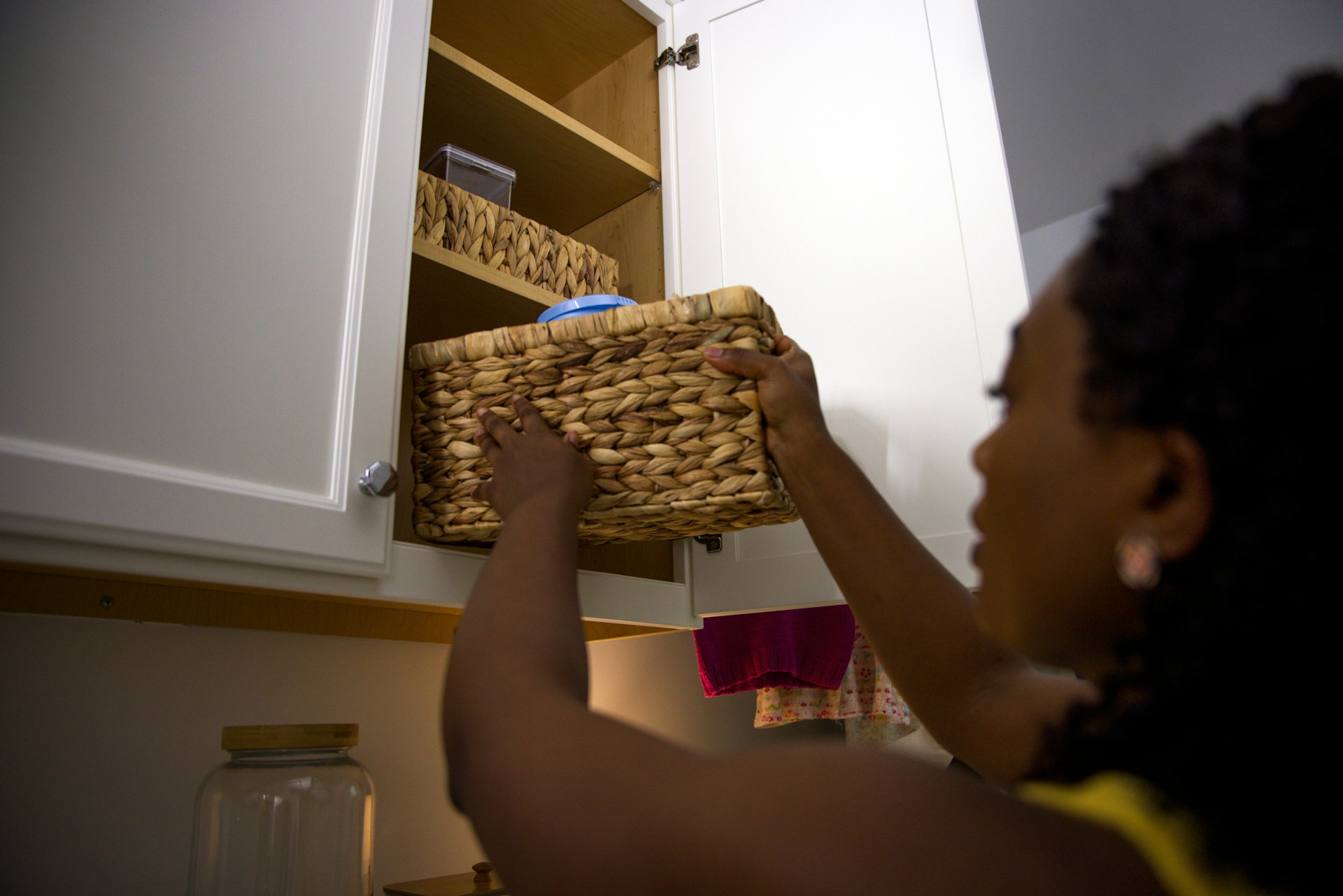
How Should Adults Store Cannabis In a Home With Kids?
Health Canada’s 2024 Canadian Cannabis Survey asked past-year users where they keep cannabis. Among those with children under 18 at home, 73% used a childproof, locked or out-of-reach spot. Yet 29% kept it in an unlocked container, room or building. Closing that gap takes a few steady habits:
- Treat it like medication. The Canadian Pediatric Society advises keeping all cannabis and vaping products locked up and out of reach, in child-resistant packaging or containers.
- Keep edibles out of the kitchen. Never store them in the fridge, freezer or snack cupboard beside regular food.
- Leave products in the original package. Labels show the THC content, and legal edibles in Canada are capped at 10 mg of THC per package.
- Reseal after every use. Parachute advises returning products to child-resistant packaging and a locked spot right away.
- Watch visitors’ bags. Grandparents and guests may carry cannabis in a purse left on the couch.
- Clean up after parties. Check tables, counters and floors for leftovers before kids wake up.
KidsHealth, a parent site run by the children’s health system Nemours, gives the same advice: keep any cannabis at home locked in a cabinet or lockbox.
Why Does Halloween Call for Extra Care?
October brings more sweets into the house than any other month, so a stray gummy is harder to spot.
Health Canada issued an advisory in August 2020 after several children were hospitalized. The products they ate looked like ordinary candy or snacks. They were kept in fridges or freezers and had no child-resistant packaging.
Sort the trick-or-treat haul with your kids on Halloween night, and set aside anything unwrapped, homemade or unfamiliar. If you bake at home, keep your Halloween Oreo treats in clearly marked family containers, far from any adult products.
Ask the other homes where your children spend time, too. Parachute notes that grandparents, neighbors, friends and babysitters can all be a source of accidental exposure.
How Can Parents Talk to Teens About Cannabis?
Teenagers are a different conversation. In Health Canada’s 2024 survey, 41% of youth aged 16 to 19 reported using cannabis in the past year. Teens were also less likely than older groups to get it from a legal source. A few approaches help the talk go better:
- Talk often, not once. KidsHealth notes that regular chats can make kids less likely to experiment with marijuana or to rely on friends for answers.
- Explain the law plainly. Cannabis is not legal for anyone under the provincial age, and the age differs by province.
- Connect it to driving. Conversations about family driving safety should include never riding with an impaired driver.
- Model what you say. Parachute advises adults not to use cannabis in front of children.
- Offer a safe exit. Let teens know they can call you for a ride, no questions asked that night.

What Should You Do If a Child Eats an Edible?
A poison center is a specialist service that gives advice when someone swallows something harmful. The steps below come from Canadian safety guidance:
- Call 911 right away if the child loses consciousness or has trouble breathing.
- Otherwise, call a poison center. Health Canada’s toll-free line is 1-844 POISON-X (1-844-764-7669). In Quebec, call the Centre antipoison du Quebec at 1-800-463-5060.
- Keep the package so you can report what was eaten and how much THC it held.
Habits Worth Keeping All Year
- Store every cannabis product locked, labeled and away from food.
- Sort Halloween candy before kids dig in.
- Ask relatives and sitters how they store cannabis.
- Save the poison center number in your phone today.
Frequently Asked Questions
Are Cannabis Edibles Dangerous for Young Children?
Yes, they can cause serious harm. In Ontario, about one in three young children seen in emergency for cannabis poisoning was admitted to hospital. In that study, 3.6% of the children needed intensive care.
Where Should Cannabis Be Stored In a Family Home?
Keep it in a locked container that is out of children’s reach and separate from food. Leave products in their original child-resistant packaging so labels stay visible.
At What Age Can Canadians Buy Cannabis?
Provinces set the minimum themselves, so a family that moves across the country will find 19 in most provinces, 18 in Alberta and 21 in Quebec. Anyone outside Canada should check their own country’s laws.
Who Should I Call If My Child Swallows Cannabis?
Call 911 if your child is unconscious or struggling to breathe. Otherwise, call a poison center at 1-844-764-7669 for advice on what to do next. In Quebec, call the Centre antipoison du Quebec at 1-800-463-5060.
