Residential upkeep strategies are shifting toward replacing worn roofing materials long before water penetrates your interior ceiling drywall or damages your attic framing. Taking a proactive stance on roof care keeps your home secure, prevents structural damage, and preserves your equity. Waiting for an active leak to signal a roofing problem often leads to expensive secondary repairs. Addressing material fatigue like aging shingles early allows you to control maintenance timelines and safeguard your living space against unexpected weather events.
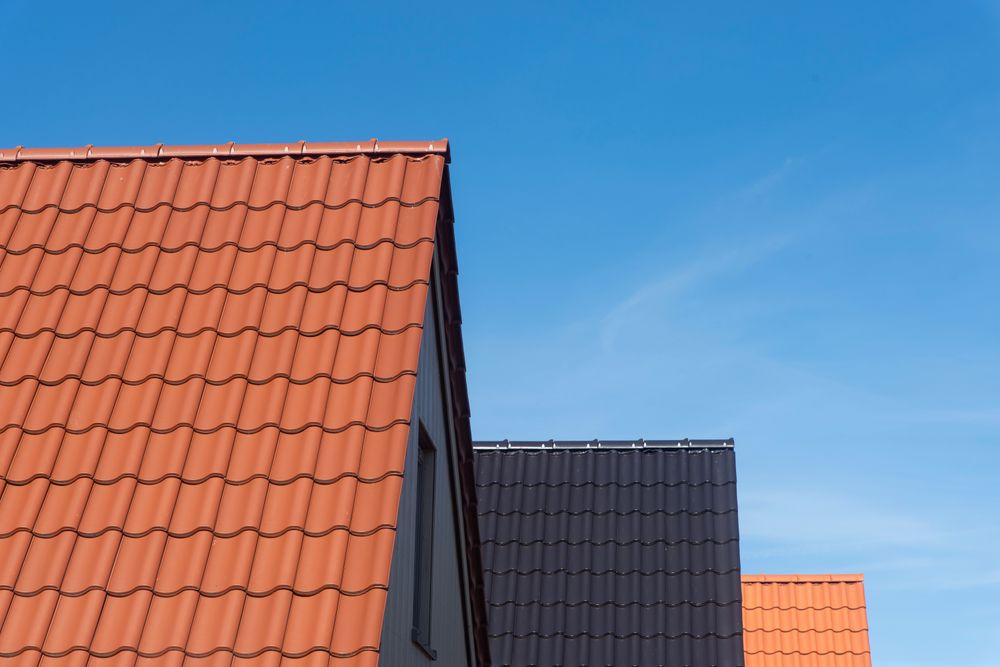
Identifying signs of physical shingle degradation
Roofing materials undergo steady breakdown under constant exposure to sunlight, temperature shifts, and precipitation. Over years of service, protective surface granules loosen and wash away through your gutter system, leaving the underlying asphalt compound exposed to severe ultraviolet exposure.
As asphalt loses its flexible oil content, individual shingles become brittle and curl at the edges. Research by the National Association of Home Inspectors highlights that asphalt shingles age at varying rates influenced directly by local climate conditions, attic ventilation efficiency, and underlying material quality.
How do you know when it is time to upgrade
Spotting early warning indicators saves your home from structural moisture damage. You can often evaluate your roof’s condition from ground level by looking for widespread cosmetic and structural changes.
- Heavy granule accumulation: Look inside your gutters and near downspout discharge zones for dense deposits of dark grit.
- Curling shingle edges: Check whether shingle corners turn upward or cup downward along the lower edges.
- Cracked surface asphalt: Watch for visible hairline fracture lines running across individual shingle surfaces.
- Exposed fastener heads: Notice if nail heads peek through lifted sections or exposed asphalt sections.
Minor repairs fix localized damage from isolated storm events, but systemic wear across entire roof slopes requires a comprehensive material upgrade. Deciding on replacing an old asphalt shingle roof turns your attention from temporary fixes to long-term structural protection. Moving forward with complete replacement resolves underlying decking concerns and creates a uniform barrier across your entire home.
Modern architectural shingle upgrades
Upgrading your home with modern architectural shingles delivers superior physical strength compared to traditional three-tab options. Multi-layered dimensional construction adds substantial structural weight and enhanced wind uplift resistance.
Testing metrics published by Consumer Reports indicate that high-dimensional architectural shingles offer substantially higher wind warranty coverage than legacy three-tab alternatives. These modern dimensional lines incorporate heavy-duty fiberglass mats embedded with advanced rubberized asphalt compounds.
Advanced mechanical design features keep modern architectural shingles firmly anchored during severe windstorms.
- Reinforced nail zones: Manufacturers embed high-strength fabric strips along the fastening line to prevent nail pull-through.
- Thermal adhesive strips: Sun-activated sealant bands create continuous bond lines between overlapping shingle courses.
- Algae-resistant granules: Copper-infused surface granules prevent dark streaking caused by blue-green algae growth.
- Impact-rated mats: Class 4 impact ratings resist splitting when hit by hail or flying debris.
Working with experienced regional contractors
Selecting a qualified local roofing contractor ensures your investment performs reliably through years of harsh weather. Local installation teams understand regional climate challenges and apply appropriate underlayment membranes, flashing details, and ventilation systems matched to regional conditions.
Professional installation guarantees that your roof system meets manufacturer guidelines required for full warranty coverage. Experienced crews execute precise double-nailing practices, correctly seal vulnerable valleys, and set up intake and exhaust ventilation channels to regulate attic temperatures.
How does proper roof ventilation extend shingle lifespan
Proper roof ventilation plays a critical role in extending shingle lifespan and protecting the structural components beneath your roofing system. When warm, humid air becomes trapped inside the attic, condensation can develop along the underside of the roof decking, increasing the risk of wood deterioration, mold growth, and insulation damage.
Combining adequate intake and exhaust ventilation with a properly installed roofing system helps regulate attic temperatures and minimize moisture buildup throughout the year.
Replacing aging shingles provides an opportunity to inspect existing ventilation components and correct airflow deficiencies before installing new materials. Roofing professionals can evaluate soffit vents, ridge vents, and attic insulation to identify conditions that may accelerate premature roof deterioration.
Addressing these issues during replacement helps maintain consistent indoor comfort, reduces unnecessary stress on roofing materials, and supports the long-term performance of your home’s protective structure.
Why are underlayment and flashing essential for roof protection
Shingles provide the primary visible barrier against rain and wind, but the underlying roofing components are equally important for preventing water intrusion. Underlayment creates an additional protective layer between the shingles and roof decking, helping limit moisture penetration when severe weather drives rain beneath exposed edges.
Flashing protects vulnerable transition points around chimneys, skylights, plumbing vents, and valleys, where water can collect or enter through poorly sealed connections.
During a complete roof replacement, inspecting and upgrading these components helps eliminate weaknesses that may remain hidden beneath aging shingles. Damaged underlayment, corroded flashing, and deteriorated sealants can compromise the effectiveness of even premium roofing materials when left unaddressed.
Installing suitable moisture barriers and correctly fitted flashing establishes a more dependable roofing assembly, reducing the likelihood of interior ceiling stains, damaged attic framing, and costly repairs following heavy rainfall.
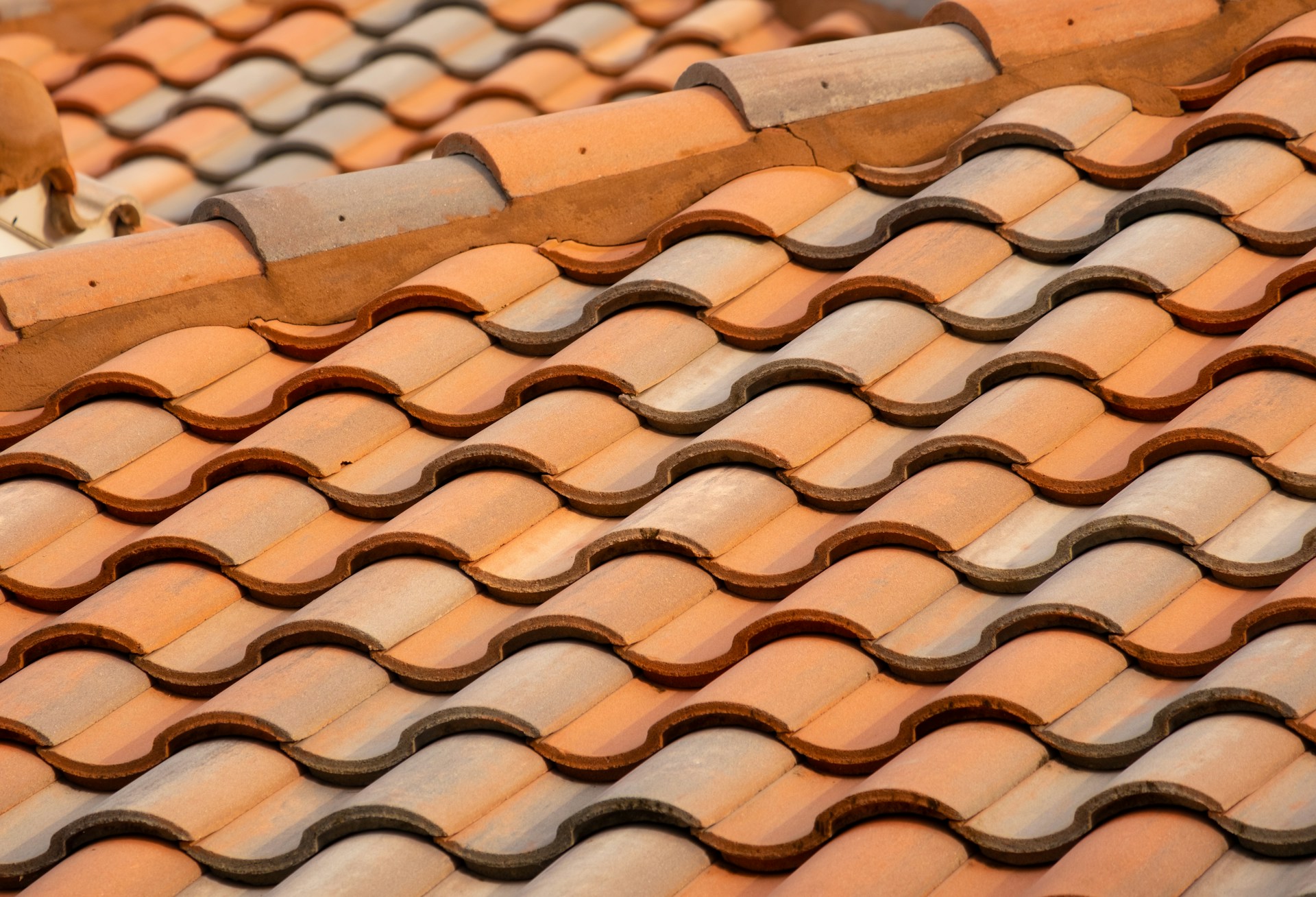
Proactive roofing replacements protect your interior ceiling drywall, preserve attic framing structural integrity, and eliminate sudden emergency restoration costs. Investing in modern architectural materials installed by skilled professionals keeps your home safe, efficient, and resilient against evolving climate conditions.
