Kids’ shoes pick up dirt quickly, but regular care can keep them looking presentable and prevent grit from wearing down the materials. A simple routine also makes cleanup easier after muddy walks, playground visits, and busy school days. Before using any cleaner, check the care label and test the product on a hidden area. Heat, harsh chemicals, and aggressive scrubbing can damage finishes or change the shoe’s shape.
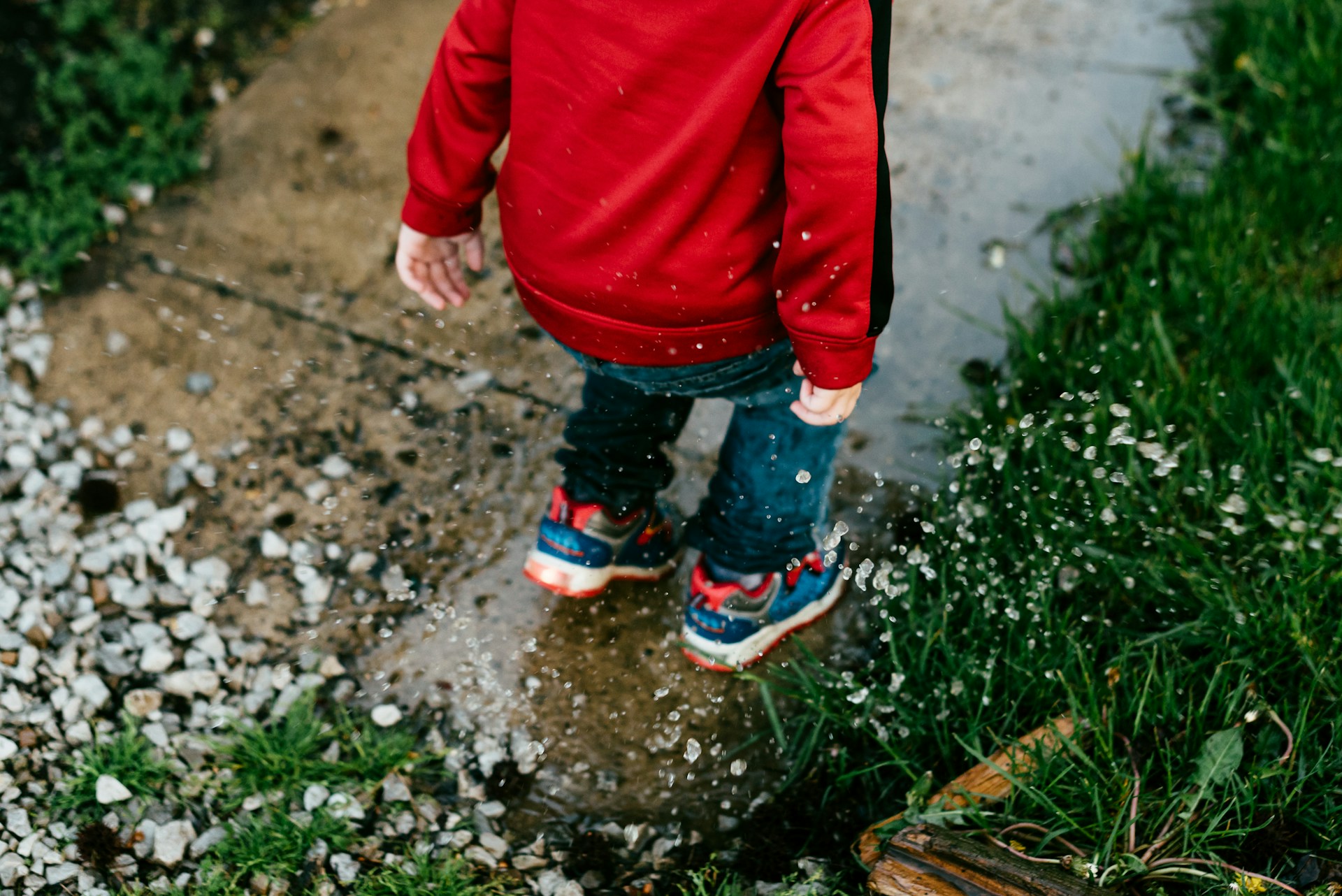
Image credit: Unsplash
Daily Wipe-Downs Prevent Grime
Remove loose dirt as soon as your child takes off their shoes. Tap the soles together outdoors, then use a dry, soft-bristled brush to clear dirt from seams and textured tread. A damp microfiber cloth works well for wiping smooth uppers and midsoles.
Pay attention to closures, where sand and crumbs often collect. Fasten hook-and-loop straps before brushing them so debris doesn’t become embedded in the fibers. If the insides feel damp, remove the insoles and let everything air-dry overnight. Avoid placing shoes beside a radiator or using a hair dryer because concentrated heat can warp soles, weaken adhesives, and shrink some fabrics.
Deep Cleaning Different Materials
Match your cleaning method to the shoe material. For canvas and washable fabric, remove the laces and insoles before scrubbing gently with cool water and a small amount of mild detergent.
Clean synthetic shoes with a damp cloth and mild soap, then wipe away any residue. Leather needs a cleaner made for finished leather, followed by a suitable conditioner once dry. Suede and nubuck should remain as dry as possible. Let mud dry completely, brush it away with a suede brush, and use a suede eraser on small marks.
Care for Waterproof Footwear
Rinse waterproof boots after muddy outings so dried grit doesn’t settle into the tread or rub against the surface. A soft brush, lukewarm water, and mild soap will handle most messes. If you’re choosing kids’ rain boots, check the product care instructions as well, since cleaning needs can vary by material and finish.
Wash only the exterior of kids’ shoes unless the label says otherwise. If water gets inside, tip it out, remove any removable insoles, and loosely fill the boots with plain paper to absorb moisture. Replace the paper when it becomes damp. Let the boots dry at room temperature and check the tread for small stones before putting them away.
Proper Storage Extends Life
Store clean, fully dry shoes in a cool area with steady airflow. Damp footwear placed in a closed bin can develop odors and may encourage mold growth. Keep pairs together on an open shelf or in breathable fabric bags, leaving enough room so boots and structured shoes aren’t crushed.
Loosen laces and straps before storage to make the next wear easier. For tall boots, rolled paper or simple boot shapers can help the shafts stand upright. Rotate between two everyday pairs when possible, particularly during wet weather. Each pair then has time to dry fully. At the end of a season, inspect shoes before storing them so old mud and stains don’t sit for months.
When It’s Time for New Shoes
Cleaning can improve appearance, but it can’t correct a poor fit or restore worn-out support. Check children’s shoes every couple of months and sooner during a growth spurt.
Look for smooth tread, split seams, cracked uppers, and soles that lean noticeably to one side in kids’ shoes. Red marks, blisters, or complaints of pinched toes also signal that the current pair may be too small. Have your child stand while you assess the fit because feet spread under body weight. Once the toe room has disappeared or damage lets water reach the inside, move that pair out of regular use instead of trying one more repair.
