When it comes to flooring and wall finishes, the choice between Geometric Marble Tile and porcelain tile often boils down to aesthetics and durability. Interior designers and homeowners alike face this decision frequently during the Design Development Phase. Each material offers unique benefits, but understanding their durability can significantly impact long-term satisfaction and maintenance costs. This article will explore the durability aspects of both geometric marble and porcelain tiles, helping you make an informed choice for your home improvement project.
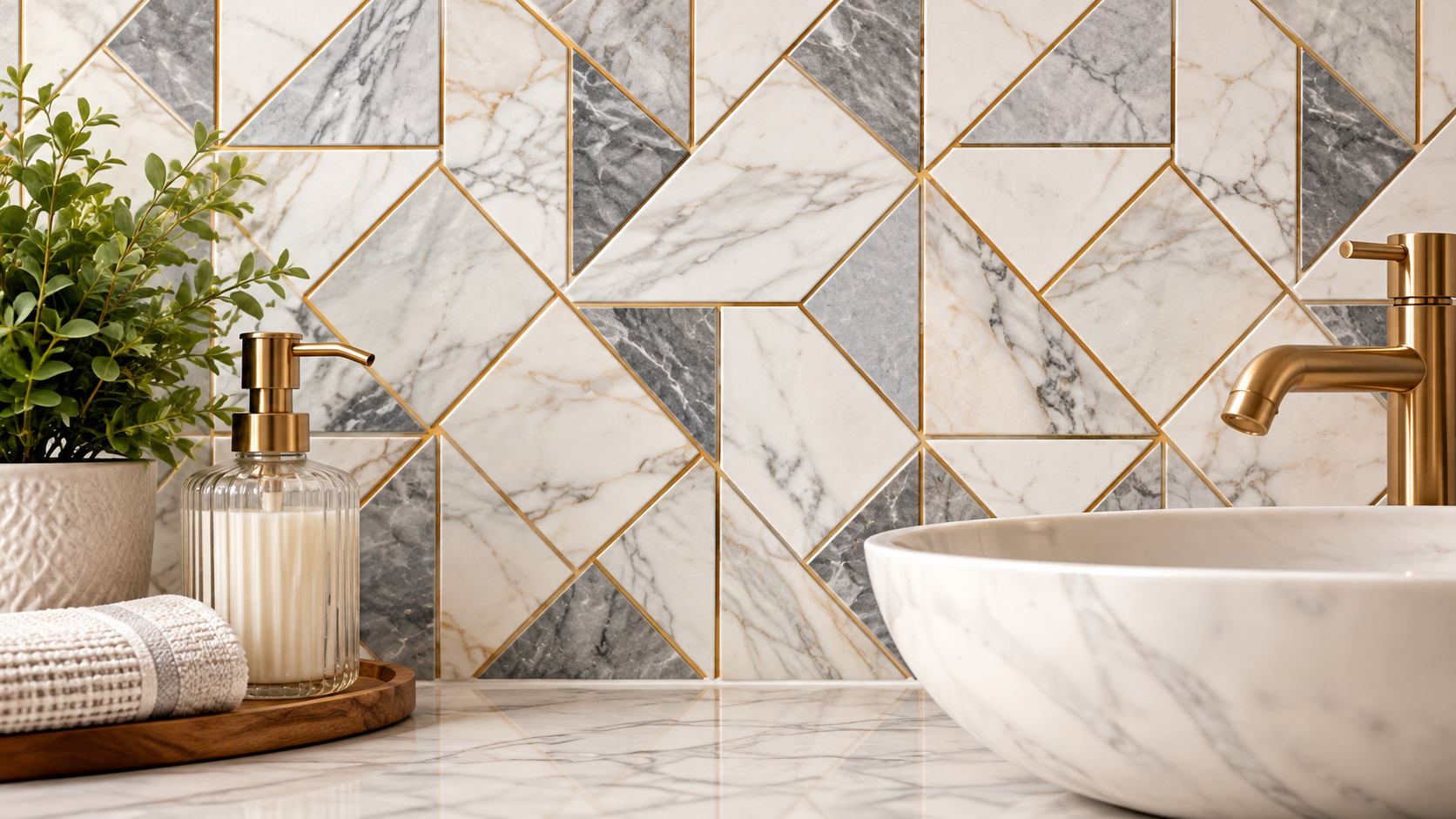
Geometric Marble Tile: Aesthetic Appeal and Durability
Geometric Marble Tile, known for its intricate patterns and luxurious appeal, is a popular choice in high-end interior design. The natural veining and color variations of marble create a unique Material Palette that can elevate the overall aesthetic of any space. However, when evaluating its durability, it’s important to consider the maintenance marble requires. This material is prone to scratches and may stain if not properly sealed and maintained. Despite these considerations, many designers opt for marble because of its timeless beauty and ability to enhance a room’s elegance.
Incorporating marble into your design often involves creating a detailed Spec Book to ensure all aspects of the project align with the desired aesthetic. Marble’s durability, while not the highest, can be significantly improved with regular sealing and proper care. For those interested in integrating marble into their designs, exploring options like Geometric Marble Tile can provide both beauty and durability with the right maintenance practices.
Porcelain Tile: Versatility and Strength
Porcelain tile is renowned for its versatility and exceptional strength, making it a favorite in both residential and commercial settings. Manufactured from refined clay and fired at high temperatures, porcelain is denser and less porous than ceramic tiles, which contributes to its superior durability. This material withstands heavy foot traffic and resists scratches, making it ideal for areas like kitchens and bathrooms.
Porcelain’s durability is further enhanced by its ability to mimic natural stone, wood, and even fabric textures through advanced manufacturing techniques. Designers often use CAD Software to visualize how porcelain tiles can fit into a Schematic Design. Its versatility allows for creative freedom, enabling designers to achieve various looks without compromising on durability. Moreover, porcelain’s low water absorption rate makes it an excellent choice for areas prone to moisture.
Comparing Durability: Geometric Marble Tile vs Porcelain
When comparing the durability of geometric marble and porcelain tiles, several factors come into play. Porcelain tiles generally outperform marble in terms of resistance to scratches, moisture, and heavy use. This makes porcelain a more practical choice for high-traffic areas. However, marble’s unique visual appeal often outweighs these practical considerations, particularly in spaces where aesthetics are prioritized.
Recent studies by Architectural Digest indicate that porcelain’s strength and low maintenance requirements make it a cost-effective choice over the long term. In contrast, marble requires more upkeep to maintain its pristine appearance. Designers and homeowners must weigh these factors carefully during the Site Analysis phase of their projects to ensure the chosen material meets both aesthetic and functional needs.
Choosing the Right Tile for Your Project
Selecting the right tile involves balancing aesthetic preferences with practical considerations. For projects where elegance and a unique Material Palette are paramount, Geometric Marble Tile offers unparalleled beauty. It’s often used in upscale bathroom designs where its luxurious appearance can be showcased and maintained with ease.
Conversely, for spaces that demand durability and low maintenance, porcelain tile is the clear winner. Its ability to resist wear and moisture makes it ideal for kitchens, entryways, and commercial environments. A guide from Houzz suggests incorporating porcelain in areas subject to frequent use to maximize longevity and maintain aesthetic appeal.
Conclusion
Both geometric marble and porcelain tiles offer distinct advantages, making them suitable for different applications. Geometric Marble Tiles provide a luxurious and timeless look that can elevate any design, while porcelain tiles offer unmatched durability and versatility. By evaluating your project’s specific needs and prioritizing either aesthetic appeal or durability, you can make an informed decision that enhances your interior design or home improvement project.
