Summer camp holds a unique place in childhood memories. Long days under the sun, campfire stories, and shared lodging create bonds that stay fresh for decades. Nostalgic recollections of camp moments often feel brighter than memories of regular school days. Adults frequently look back on those warm months as pivotal chapters of growing up.
Building Deep Friendships Away From Home
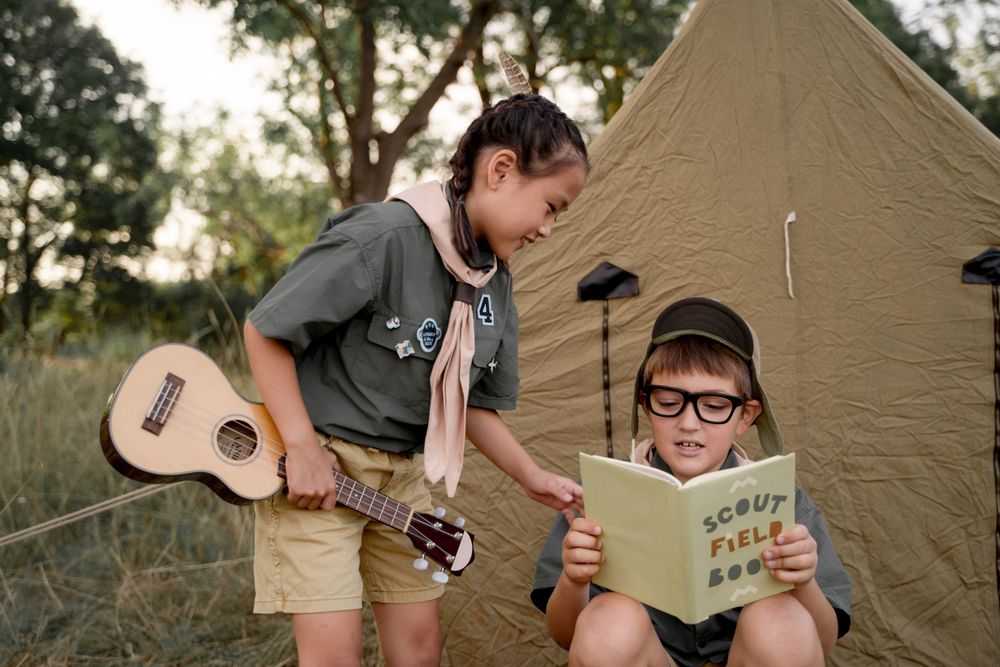
Children form instant bonds when placed in new group settings. Sharing cabins and participating in team challenges creates rapid trust between peers. These early connections frequently turn into lifelong friendships that endure long after summer ends.
Data from a national camping survey indicates 96 percent of alumni say camp helped them make friends, and 92 percent reported it helped them feel good about themselves. Shared challenges bring kids together in ways regular classroom environments cannot replicate. Children learn empathy and team cooperation through daily camp activities.
Choosing The Right Location For Adventure
Finding the ideal summer destination gives children space to explore new interests. Many families research local programs or top options like kids summer camps Fremont or somewhere else to secure great spots. A well-chosen environment helps young campers build confidence in a safe setting.
Different regions offer varied terrain, from dense forests to coastal shorelines. Selecting a camp situated in nature exposes children to outdoor activities they might not try at home. These unique geographic settings leave vivid visual impressions that remain sharp in their minds.
Parents often look for camps with strong safety records and experienced counselors. Supportive mentors guide kids through daily schedules and encourage team participation. That supportive environment lets kids step out of their normal routines.
Developing Self-Reliance and Independence
Spending weeks away from parents forces children to manage daily tasks on their own. Making beds, keeping track of personal items, and choosing daily activities build personal accountability. Kids return home with a fresh sense of capability.
Educational research shows structured summer programs increase long-term emotional resilience and personal autonomy in children by 74 percent. Facing small daily hurdles teaches kids how to solve problems without immediate adult assistance.
Key life skills developed during camp stays help young people navigate future hurdles.
- Personal time management during open activity periods.
- Decision-making without immediate parental direction.
- Problem-solving during group outdoor activities.
Learning these habits early shapes how children handle dynamic social situations later in life.
Staying Active In The Great Outdoors
Outdoor play occupies a massive portion of daily camp life. Swimming, hiking, and sports keep children moving from morning until evening. Physical exertion in natural settings supports mental well-being alongside physical stamina.
Official health guidance from the CDC states that children aged 6 through 17 years need 60 minutes or more of moderate-to-vigorous physical activity daily to promote long-term cognitive and physical health. Camp schedules easily satisfy this goal through games and trail hikes.
Consistent movement outside boosts energy levels and encourages healthy sleep patterns. Campers spend hours away from sedentary indoor habits. Fresh air and active play help cement fond memories of energetic summer days.
Creating Unforgettable Camp Traditions
Camp traditions give each summer session a distinct identity. Songs sung around evening campfires, annual color wars, and cabin skits create shared rituals. These traditions connect generations of campers who share identical memories decades apart.
Rituals give children something predictable to anticipate each year. Returning to the same cabin or singing familiar anthems creates deep emotional attachment. That sense of belonging remains strong well into adulthood.
End of session ceremonies mark personal growth and achievements. Campers receive awards or patches that symbolize hurdles overcome during their stay. These tangible tokens serve as lifelong reminders of personal triumphs.
Unplugging From Everyday Technology
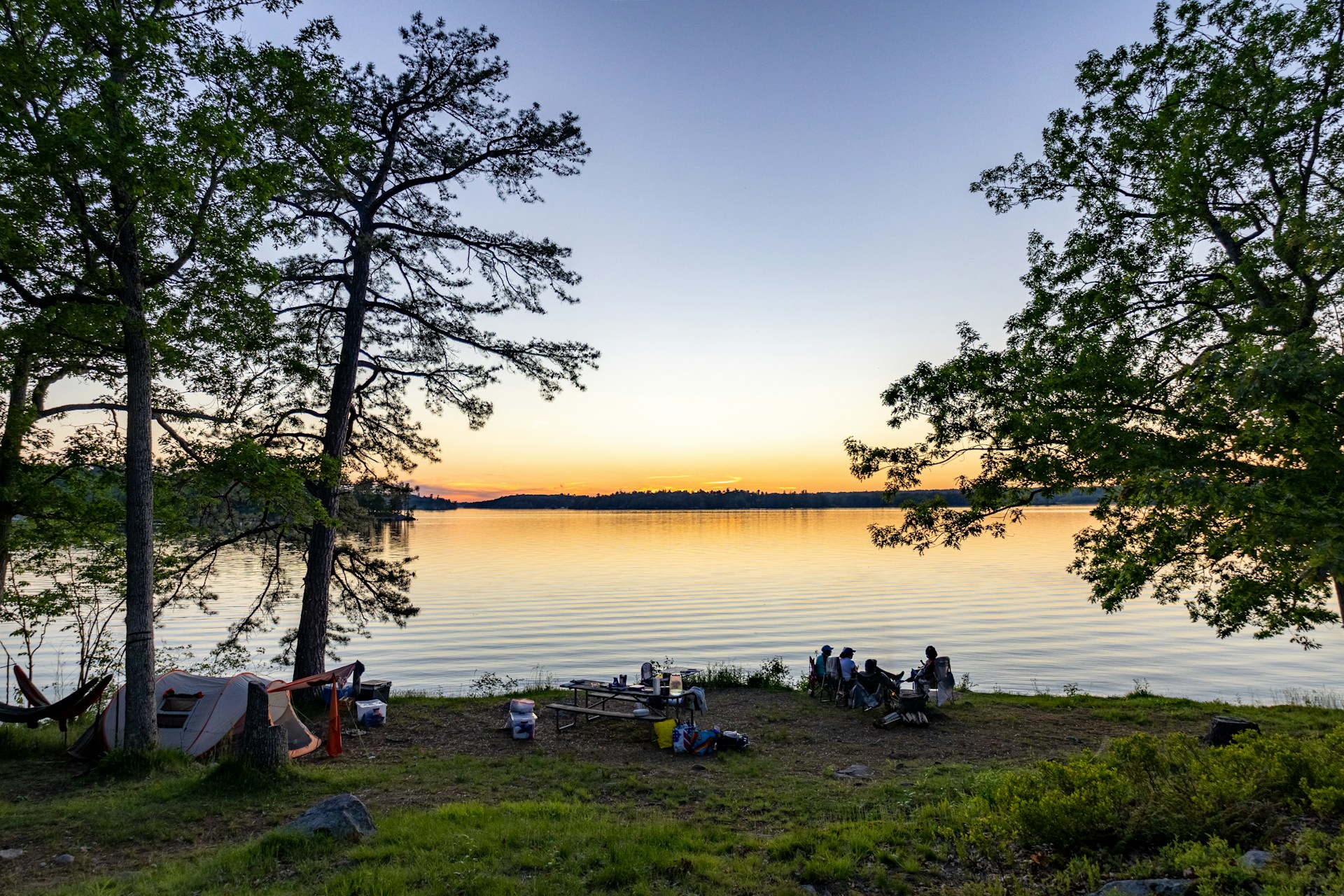
Modern life exposes children to constant screen exposure and digital notifications. Summer camps offer a rare break from smartphones, tablets, and video games. Removing devices forces campers to interact directly with the world around them.
Direct eye contact and face-to-face conversations replace text messages during camp activities. Children learn to read facial expressions and body language in real time. This direct social engagement creates deeper emotional bonds than online messaging.
Stepping away from screens allows kids to immerse themselves in physical surroundings. Nature walks and starlit nights take center stage over digital entertainment. Memories formed in these tangible moments stay vivid far longer than screen time.
Summer camp leaves a lasting mark on childhood development. The combination of newfound independence, outdoor play, and strong friendships forms memories that do not fade with time.
Long after summer ends, the lessons learned at camp continue to shape personal growth and self-confidence. Parents who give their children camp experiences offer them gifts that last a lifetime.
