Packing the car for a family trip brings plenty of excitement. Unexpected pavement hazards can turn a routine afternoon drive into a stressful situation. Staying safe requires a clear understanding of how shifting weather and surface damage change vehicle control. Simple preparation keeps your loved ones secure on every journey, regardless of road conditions.
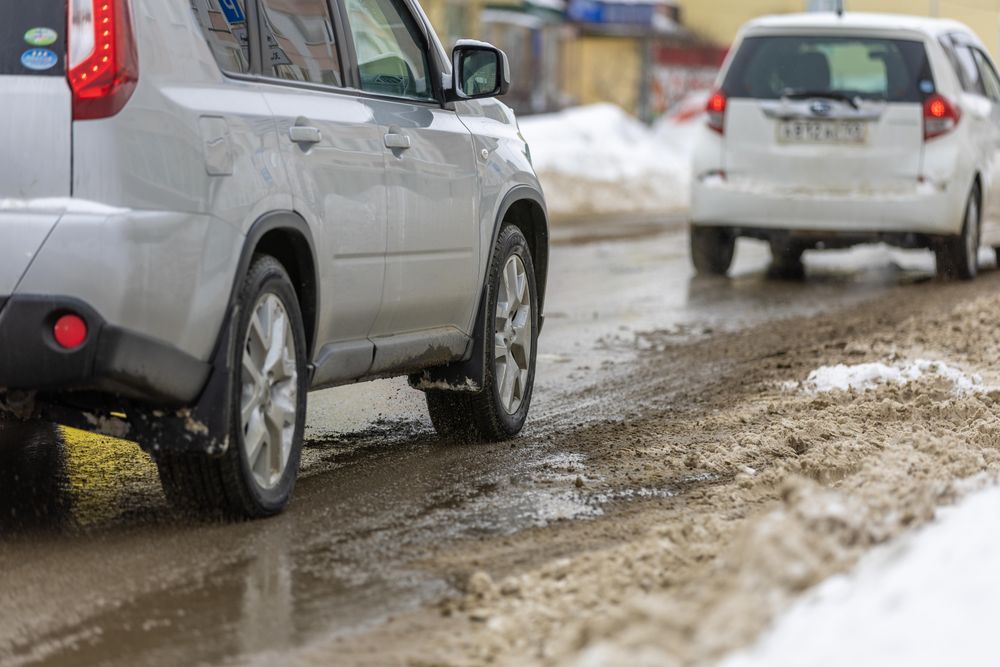
Slick Surfaces and Braking Distances
Rain and ice create thin barriers between tires and asphalt, dramatically reducing traction across roadway lanes. When sudden stops on slick pavement lead to crashes, families often consult a Richmond auto accident lawyer to evaluate their options. Extra space between vehicles provides a buffer against chain reaction pileups during severe storms.
Hydroplaning occurs when water builds up under tire treads faster than grooves can clear it away. Thin layers of standing water lift tires off the street entirely. Drivers lose steering control instantly during these moments.
Leaving earlier gives parents extra time to navigate slippery roads safely. Drivers ought to double their normal following distance during heavy downpours. Applying gentle pressure to the brake pedal prevents skids on slick pavement.
Shifting Weather Patterns and Roadway Hazards
Seasonal changes bring distinct challenges to local highways and neighborhood streets. Heavy fog reduces visibility down to mere feet in low-lying valleys. Freezing temperatures form invisible patches of black ice across bridge decks.
Federal traffic data shows that weather-related roadway fatalities rose nearly 7% over fourteen years, climbing from 3,306 deaths up to 3,523. The figures highlight how environmental shifts put drivers at risk. Cold fronts require rapid adjustments behind the wheel.
Checking weather forecasts before leaving home allows drivers to adjust travel schedules or choose safer routes. Avoiding travel during severe ice storms keeps families off dangerous roads completely. Highway crews need time to clear asphalt before motorists venture out.
Aggressive Behavior During Poor Driving Conditions
Poor road conditions cause severe traffic delays, leading to driver frustration. Impatient motorists make risky choices when forced to slow down in bad weather. Tailgating on wet asphalt prevents drivers from stopping safely during sudden traffic slows.
A driver safety report revealed that 92% of drivers admitted to engaging in risky actions such as speeding or cutting off other motorists. Combining bad weather with hostile driving actions creates extreme hazards for surrounding vehicles. Impatient moves put nearby families in direct danger.
Maintaining composure behind the wheel protects everyone inside your vehicle. Staying calm gives parents the focus needed to react to sudden hazards. Allowing aggressive drivers to pass safely reduces the odds of getting caught in a multi-car collision.
Rural Two-Way Roads and High-Risk Corridors
Narrow backroads lack modern safety features like wide shoulders, bright streetlights, or protective guardrails. Soft shoulders can pull a drifting vehicle into deep ditch banks before a driver can react. Dark rural lanes demand complete focus from drivers at all times.
Transportation research shows single-carriageway, two-way roads account for 73% of traffic incidents and 85% of all fatalities. Narrow lanes leave little margin for error when passing oncoming traffic in bad weather. Passing maneuvers become far riskier on unlit secondary routes.
Navigating rural routes safely requires extra vigilance and reduced speed. Focused drivers should follow simple precautions:
- Dimming high beams when approaching oncoming cars at night
- Watching closely for hidden driveways and sudden wildlife crossings
- Scanning curve entrances for gravel spills or standing water
Potholes and Unmaintained Asphalt
Potholes develop when moisture freezes beneath asphalt, expanding and cracking the street surface. Heavy traffic crumbles the weakened asphalt into deep pits that damage vehicle rims and tires. Winter weather accelerates this destruction across residential neighborhood streets and major expressways.
Hitting a deep pothole at high speeds can puncture tires, bend suspension parts, or cause loss of steering control. Swerving sharply to dodge a pit can push a vehicle directly into adjacent traffic lanes. Quick steering adjustments often trigger unexpected side collisions.
Maintaining proper tire pressure helps protect wheels against moderate impact damage. Slowing down when approaching damaged pavement keeps vehicle components intact and passenger cabins stable. Scanning the road surface gives drivers time to ease off the gas pedal early.
Vehicle Upkeep for Unpredictable Terrain
Regular mechanical checks make sure cars handle poor road surfaces without sudden mechanical breakdowns. Bald tires and worn brakes turn minor roadway hazards into severe safety threats. Routine upkeep keeps steering responsive when drivers encounter unexpected pavement changes.
Inspecting tire tread depth with a simple coin test reveals whether your vehicle can channel water properly. Clean windshield wipers and working defrost systems keep visibility crisp during sudden downpours. Fresh wiper blades prevent dangerous streaks across front glass.
Carrying emergency supplies like flashlight batteries, jumper cables, and warm blankets prepares families for unexpected breakdowns. Basic vehicle readiness gives parents peace of mind on long trips. Inspecting brake pads before seasonal travel prevents sudden failure on steep grades.

Understanding how road conditions and surfaces change during bad weather helps drivers make smart choices behind the wheel. Mindful habits and routine vehicle maintenance safeguard your family against unexpected hazards.
Staying patient and giving yourself extra travel time helps everyone arrive safely at their destination. Focusing on safety transforms every family trip into a smooth journey, regardless of road conditions.
