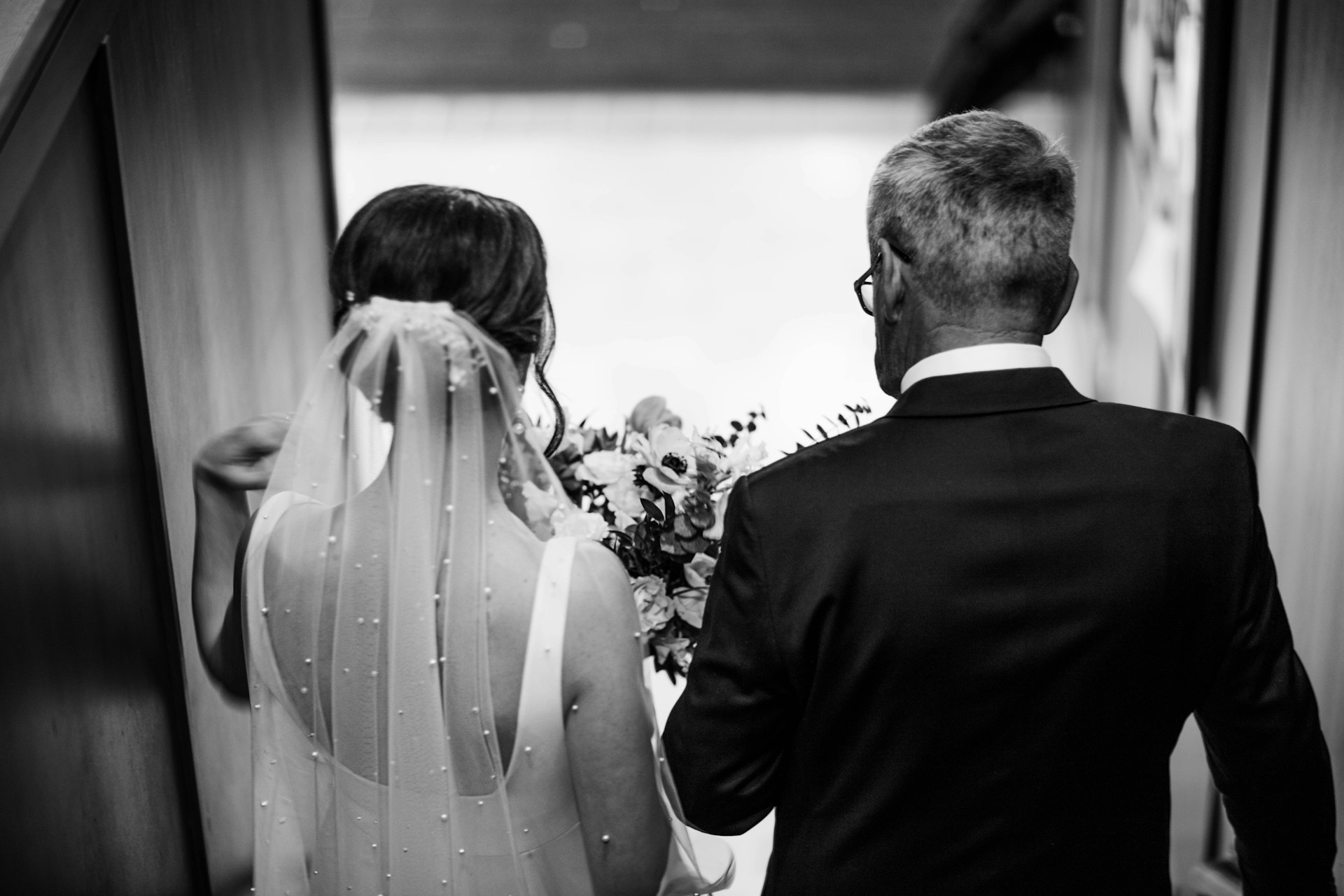
As the father of the bride, your role on the wedding day is both emotional and prominent. From walking your daughter down the aisle to giving a toast at the reception, all eyes will be on you during key moments throughout the celebration. Achieving the ideal look requires balancing personal style, comfort, and harmony with the wedding’s dress code. While the day belongs to the bride and groom, looking distinguished demonstrates honor for the occasion and respect for the hosts.
Determining the Dress Code and Formality
The foundation of your ensemble is dictated by the formality, venue, and time of day of the wedding. Before purchasing or renting attire, consult directly with the couple to understand their vision.
- Black Tie and Tuxedos: If the invitation specifies black tie, a classic tuxedo is required. Opt for a fitted black or midnight blue tuxedo with peak or shawl lapels in satin. Pair it with a white tuxedo shirt, black silk bow tie, black patent leather dress shoes, and suspenders. Traditional tuxedo trousers do not feature belt loops, so side adjusters or suspenders are used for fit.
- Formal and Semi-Formal Suits: For evening ceremonies or upscale afternoon events, a dark tailored suit is standard. Charcoal grey, deep navy, or classic black single-breasted suits provide a sharp, timeless silhouette. A white dress shirt paired with a silk tie maintains an elevated look.
- Casual and Destination Weddings: Outdoor or rustic venues demand a lighter aesthetic. Suit fabrics such as linen blends, tropical wool, or cotton in tan, light grey, or soft blue keep you cool without sacrificing elegance. In relaxed settings, a tailored blazer paired with dress trousers can be acceptable if aligned with the couple’s preferences.
Essential Accessories and Fine Details
Accessories elevate a tailored suit from standard attire to an extraordinary ensemble. When wearing a suit, your leather accessories should display attention to detail. A fundamental rule of classic menswear sartorial elegance is pairing the exact tone and finish of your dress shoes with a premium leather dress belt.
High-grade full-grain leather belts with refined buckles add structure and polish to suit trousers. When comparing handcrafted options, shoppers can review the materials, finishes, and buckle designs featured by leather retailers on their site before choosing a belt that complements formal tailoring and luxury footwear.
Beyond belts, focus on these critical finishing touches:
- Neckwear: Choose a 100% silk tie or bow tie with a refined woven texture or subtle pattern. Avoid overly loud prints that distract from the ensemble.
- Pocket Square: A clean, hand-rolled white linen or silk pocket square adds classic sophistication. Ensure it complements your tie without being an exact match from a pre-packaged set.
- Cufflinks and Timepiece: If wearing French cuffs, select classic silver, gold, or mother-of-pearl cufflinks. Pair them with a slim dress watch featuring a leather or metal strap.
- Footwear: Ensure dress shoes are meticulously polished before the event. Classic cap-toe oxfords or derby shoes in black or dark brown suit formal tailoring best.
Coordinating with the Groom and Groomsmen
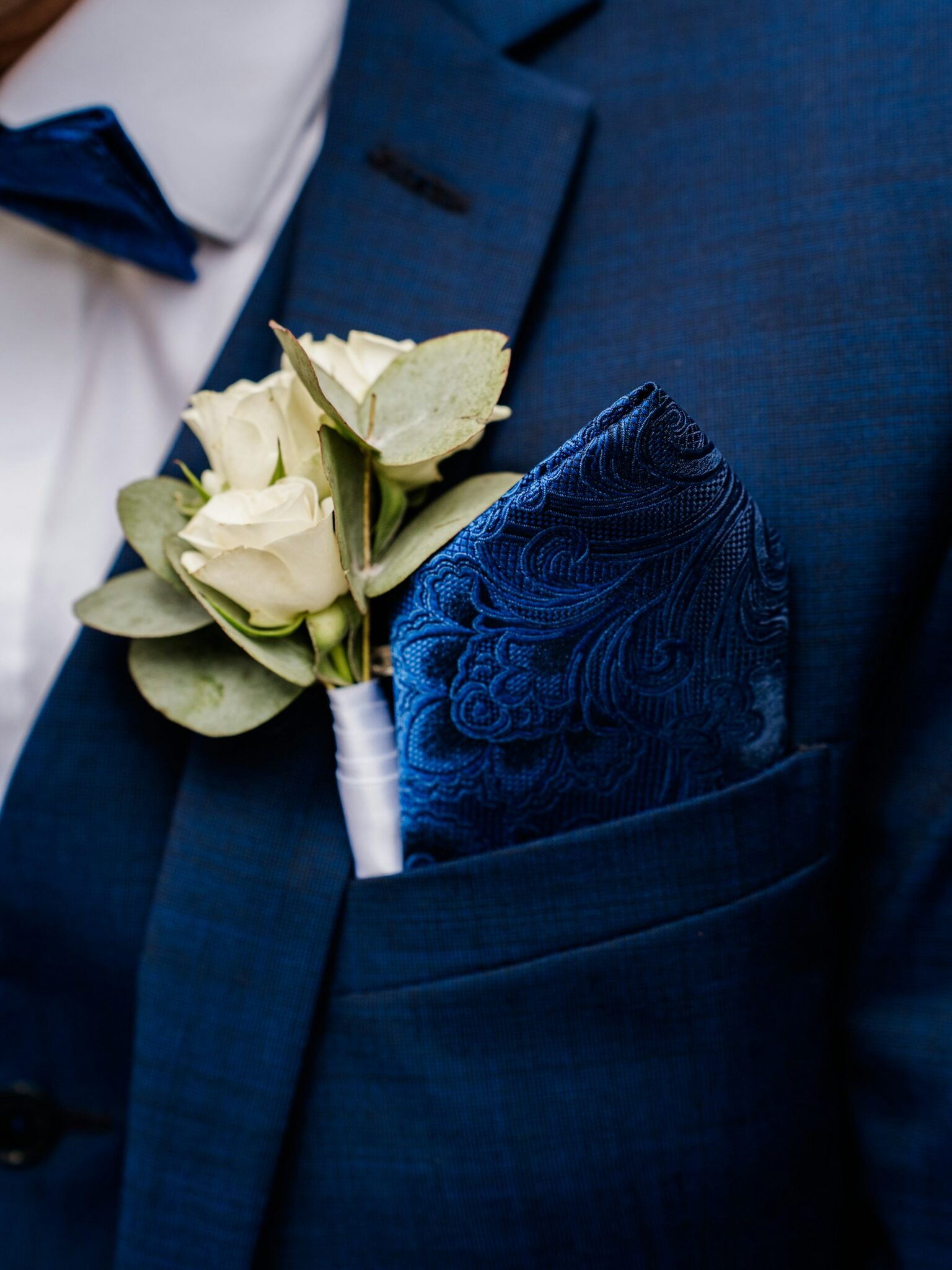
A common question for the father of the bride is deciding how closely to match the wedding party. The goal is coordination, not identical replication. Mirror the general dress code of the groom and groomsmen, but incorporate subtle differences to distinguish your unique role as an honored parent.
If the groom and groomsmen wear matching navy suits with navy ties, consider wearing a charcoal grey or deep blue suit paired with a tie in a complementary tone, such as silver, slate, or champagne. This ensures you do not look like an extra groomsman while maintaining visual cohesion in family portraits. Coordinating subtly with the mother of the bride’s dress, through a complementary pocket square or tie accent, also creates a polished aesthetic.
According to dress standards documented by educational fashion archives, formal wedding etiquette emphasizes balance: the father of the bride should look distinguished without overshadowing the groom or straying outside the established formality.
Tailoring, Fit, and Seasonal Fabrics
A poor fit will compromise even the highest quality suit. Schedule a fitting with an experienced tailor four to six weeks prior to the wedding date. Pay attention to key fit indicators: jacket shoulders should lie flat without puckering, sleeve cuffs should reveal a quarter-inch of shirt cuff, and trouser hems should rest cleanly on the shoe with a slight break.
Seasonal fabrics also dictate comfort. Heavyweight worsted wools perform best in autumn and winter, while tropical wool, linen, and silk-blend fabrics offer essential breathability during warm spring and summer weddings.
Timeline Preparation
To eliminate last-minute stress, follow a structured preparation timeline:
- 3 to 4 Months Before: Consult the couple on the dress code and color palette. Decide whether to buy a new suit or tailor an existing one.
- 6 Weeks Before: Secure your attire and drop it off for professional tailoring adjustments.
- 2 Weeks Before: Complete a final fitting while wearing your dress shoes and accessories to verify fit.
- 1 Day Before: Steam or press all garments and polish footwear so you are completely ready.
By prioritizing proper fit, subtle coordination, and high-quality accessories, you will stand proudly beside your daughter on her special day, looking confident, classic, and impeccably dressed.
