An electric fence must match an animal’s size, behavior, and grazing pattern. Goats test boundaries by climbing and squeezing, while horses need visible lines that reduce panic and entanglement. Cattle, sheep, pigs, and poultry each require different spacing, grounding, and containment choices. The right system starts with animal behavior, then accounts for terrain, vegetation, pasture size, and power access. The following sections explain how to compare those needs before buying equipment.
1. Start With Animal Behavior
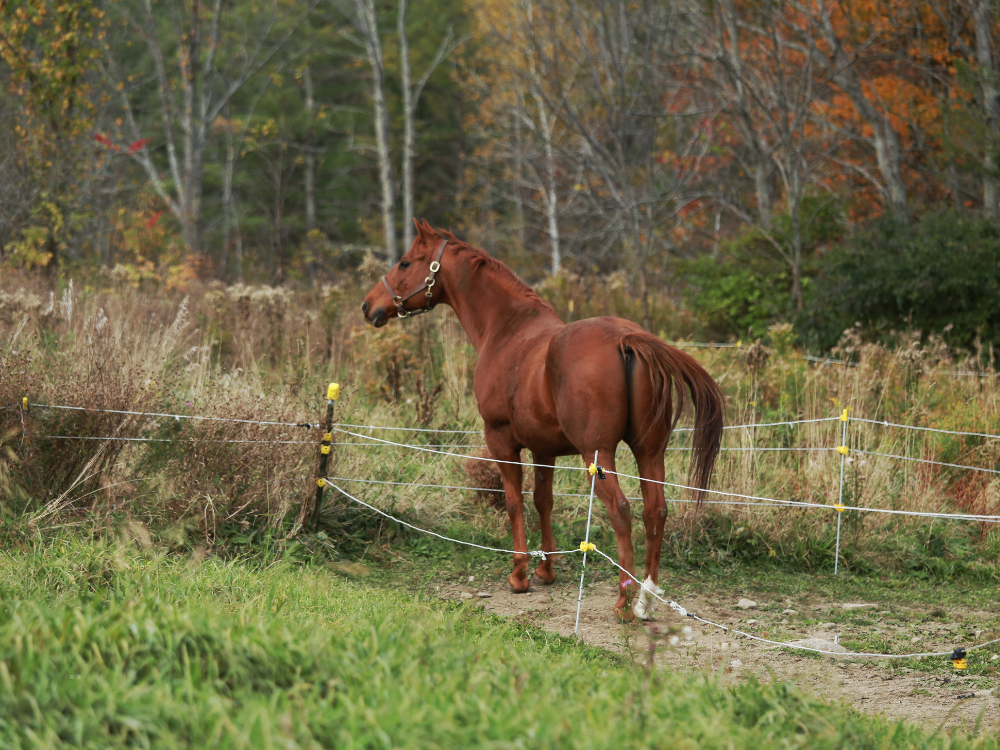
Horse fencing requires clear visibility because horses react quickly to unexpected contact. A wide poly tape or braided polyrope line gives an animal a visible boundary without relying on thin wire alone. Farmers can compare options in a dedicated horse fence collection, then choose materials that suit paddocks, rotational grazing areas, and permanent pasture layouts. The material also depends on whether the fence is temporary or permanent.
Goats climb, push, and crawl beneath weak barriers. Their system needs closely spaced conductors, secure ground clearance, and posts that withstand repeated contact. Electric netting often suits temporary goat areas because it combines multiple energized strands with a physical mesh barrier.
Sheep usually stay together, but dense wool reduces contact with the conductor. A well-tensioned net or multistrand fence keeps the energized lines at the animal’s body level. Farmers also need regular vegetation checks because grass touching the fence reduces the shock delivered through the system.
Cattle need a visible boundary that withstands pressure from large bodies. Polywire, polyrope, or polytape works for many pasture layouts when posts remain stable, and the lowest line stays clear of soil and weeds.
2. Choose Materials for the Animal
Poly tape suits horses because its broad surface is easy to see. The inspected collection lists one-inch and two-inch polytape, braided polyrope, electric netting, and electric horse wire. Selection depends on whether the fence needs temporary movement, a permanent paddock boundary, or added visibility.
Poultry requires a different approach. Small birds need mesh openings that prevent escapes, while the lower edge must stay close enough to the ground to stop predators from passing beneath it. Poultry netting provides a practical structure for movable pens and enclosed grazing areas.
Pigs test the lower section of a fence with their snouts. A low-voltage line and firm posts prevent rooting beneath the barrier. Hog or boar netting simplifies setup where the animals need a movable enclosure.
3. Match the Energizer to the Fence
An energizer must suit the fence length, vegetation, and number of energized wires. The inspected collection states that most horse fences require 2,000 to 5,000 volts. Small paddocks often use 1 to 2 joules, while larger pastures use 5 joules or more.
Heavy vegetation drains power from the system. Grass, weeds, and brush touching the conductor create a path toward the ground. Farmers should clear growth beneath the fence and check the voltage after storms, mowing, or pasture changes.
Power access also affects the choice. AC energizers suit areas with dependable electrical service, while solar energizers work where the fence sits far from buildings. The energizer needs proper grounding, and every connection should remain clean and tight.
4. Plan the Fence Layout
Pasture size determines how much material and power the system needs. A short paddock can use a compact arrangement, while rotational grazing requires gates, movable posts, and enough conductor length for frequent changes.
Horses need an upper boundary that discourages jumping, with lower lines positioned to prevent walking beneath the fence. The inspected page places typical electric horse fencing between 4.5 and 5 feet high. Taller horses or jumpers can require fencing up to 6 feet.
Gates deserve the same attention as the fence line. Each gate should maintain electrical continuity when closed and provide a clear entry point for people, equipment, and animals. Regular inspections catch loose strands, damaged netting, and fallen posts before an escape occurs.
5. Check Safety and Maintenance Needs
Visibility matters most for horses, while spacing and mesh size matter more for goats, sheep, pigs, and poultry. Loose netting creates a tangle risk, especially in temporary horse areas. Proper tension, post placement, and daily checks reduce that risk.
A practical inspection routine includes checking the energizer, grounding system, fence voltage, vegetation, and animal behavior. Any animal that repeatedly leans against the fence requires a layout review rather than a higher setting alone.
Conclusion
The best electric fence system matches the animal’s behavior before it matches the pasture’s appearance. Goats and sheep often need close spacing or netting, pigs require a low barrier, poultry needs suitable mesh, and horses need visible lines. Farmers should measure the fence route, assess vegetation, confirm power access, and choose an energizer for the total load. After installation, weekly inspections provide the next practical step toward dependable containment.
