A room can look finished and still feel cold. You notice it when you sit down and something feels missing. The furniture may be fine. The paint may be fine. The problem is often texture. Too many hard surfaces can make even a well-decorated room feel a little distant. In this article, you will find simple ways to make a room feel warmer with natural textures.
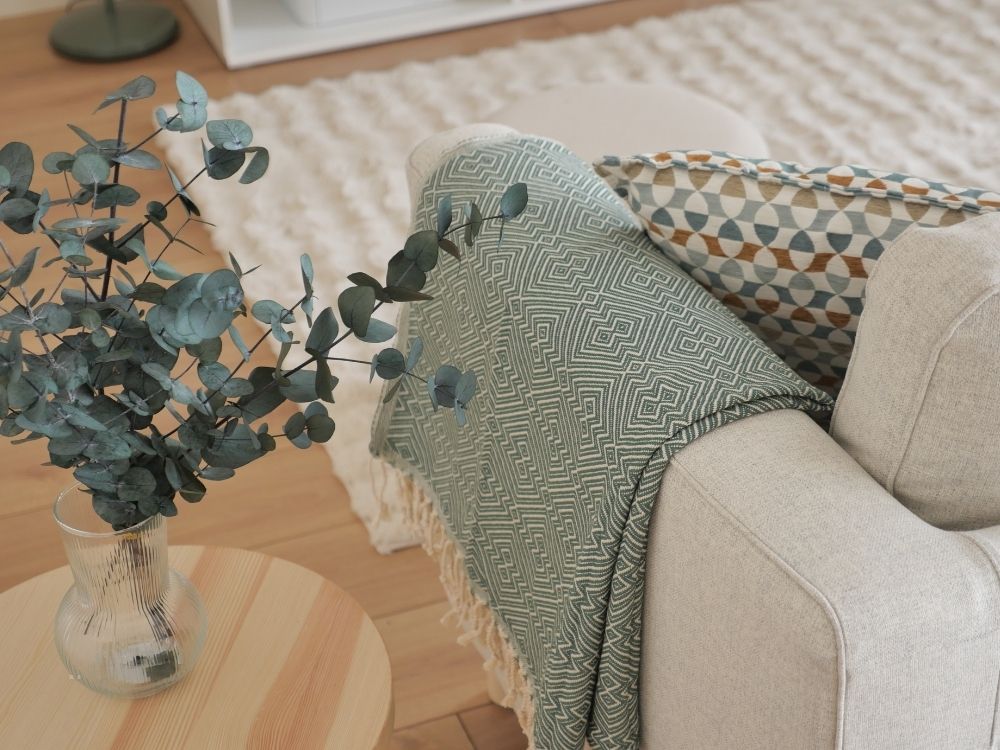
Start With Texture You Can Actually Feel
One easy fix is to bring in something soft where people naturally pause. That’s where sheepskin rugs work especially well. Put one by the bed, beside a reading chair, or across a bench, and the space feels more relaxed right away.
Natural textures and fibers help because they don’t look flat. The University of Georgia Extension’s guide to fiber types explains how animal fibers such as wool have properties that affect feel, warmth, and performance. In a room, those qualities become practical. They add comfort you can see and use.
Let the Floor Do Some of the Work
Floors take up a lot of visual space. A natural rug changes the temperature of the room without touching the thermostat.
You don’t always need a large rug. In many spaces, a smaller piece placed with intention works better. Try one beside the bed where your feet hit the floor in the morning. Put one near an accent chair. Use one to soften a quiet corner that has been sitting empty.
The goal is simple. Give the room a place that feels good to approach.
Mix Smooth Surfaces With Softer Ones
Most rooms already have plenty of smooth texture. Coffee tables, shelving, lamps, mirrors, and electronics all bring hard lines. Add too many of them together, and the room can feel tidy yet unwelcoming.
Soft natural textures help break that up. It gives the eye somewhere to rest. It also makes the room feel less staged. You can keep the clean look, but the space starts to feel more human.
If you’re collecting home and living ideas, pay attention to how often the best rooms use contrast. A woven basket near a sofa. Linen curtains against painted walls. A sheepskin rug beside a simple chair. None of these choices shout. They just make the space easier to be in.
Use Warmth Without Making the Room Heavy
A sheepskin rug brings warmth through touch rather than bulk. It can sit in a bright room without making the space feel dark. It can also help a neutral room feel less plain.
This is useful if you like calm interiors. You don’t have to fill every wall or surface. A few good textures can do more than a crowded shelf.
Place Texture Where Life Actually Happens
The best rooms usually respect real habits. If nobody sits in a corner, decorating that corner won’t change much. If everyone gathers near the sofa, that’s where texture should go.
Look at the room during a normal day. Where do you drink coffee? Where do you read? Where does the light fall in the afternoon? Where do guests usually sit first? Those spots are worth softening.
A sheepskin rug near a chair can turn it into a real reading spot. One at the side of the bed makes the room feel calmer. One over a bench can make an entryway feel less bare. These are small changes, but they meet people where they already are.
Keep the Palette Connected
Texture does a lot, but color still needs discipline. If the room already has warm wood, cream, tan, rust, or soft gray, choose natural pieces that sit comfortably beside those tones. They don’t need to match exactly. They just need to feel related.
Repeating a tone helps. A cream rug can connect with a lampshade or bedding. A warmer natural shade can tie into wood furniture. This keeps the room from feeling pieced together.
Wrapping Up
A warmer room doesn’t always need a big redesign. Often, it needs better natural textures in the right places. Natural materials make a space feel more comfortable because they add softness, depth, and touch.
Start with the places you use every day. The best rooms usually feel built over time, one thoughtful choice at a time.
