Black door handles have become one of the most recognizable details in contemporary interiors. Once associated mainly with industrial spaces and minimalist schemes, they now appear in period homes, new-build apartments, offices and hospitality settings alike. Their appeal is easy to understand: a black handle can provide a crisp finishing touch, define a doorway and add contrast without overwhelming the room.
But their popularity is not based on appearance alone. The best black door furniture combines visual flexibility, practical performance and a sense of permanence. Whether you are renovating a Victorian terrace or updating a modern kitchen, the right handle can influence how the entire space feels.
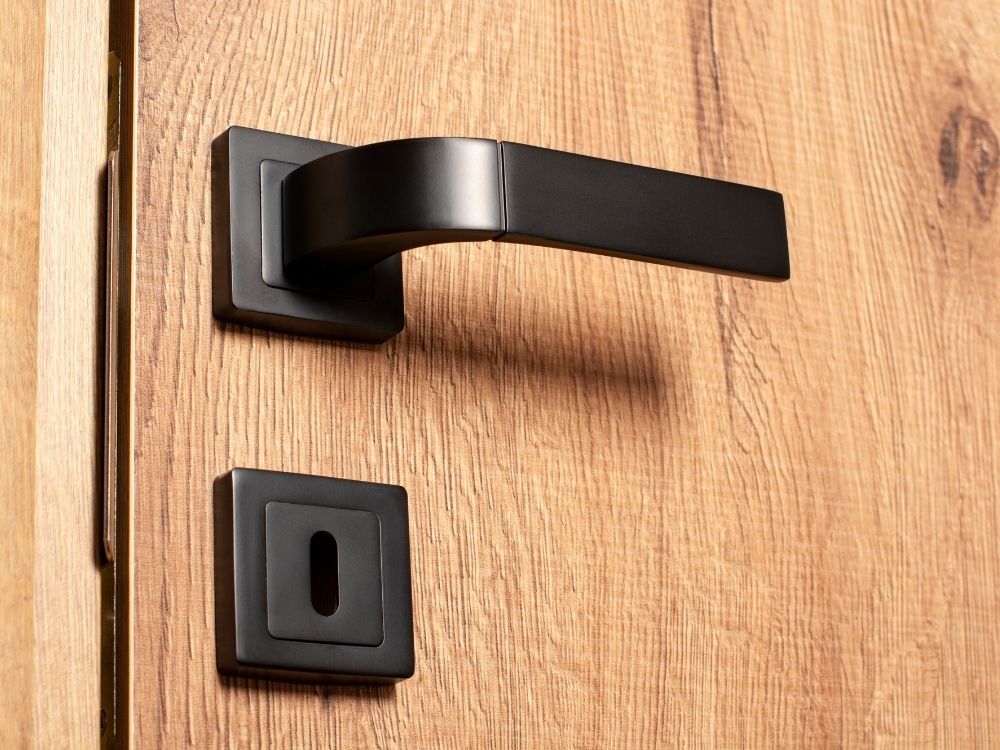
A strong contrast that works in many interiors
One of the main reasons black handles are so effective is their ability to create contrast. Against a white or pale door, the silhouette is sharp and graphic. Against timber, it feels warm and grounded. Used with darker paintwork, it creates a more layered, tonal look rather than disappearing completely.
This versatility makes black suitable for a wide range of interior styles, including:
- Contemporary and minimalist rooms
- Industrial and loft-inspired spaces
- Scandinavian interiors
- Traditional homes with modern updates
- Rustic, farmhouse and country schemes
The key is choosing a shape and finish that suit the door and surrounding architecture. A slim, angular lever may complement a flush modern door, while a more rounded handle can feel better suited to paneled timber or a traditional property.
Black also helps connect different elements across a room. It can echo a tap, light fitting, cabinet knob, shelving bracket or window frame, creating cohesion without requiring every finish to match exactly. In many cases, just two or three repeated black details are enough to make the design feel deliberate.
The appeal of a timeless, adaptable finish
Trends come and go, but black has remained remarkably resilient in interior design. Unlike a highly specific metallic finish or an unusual color, it is relatively neutral. That means it can adapt as a room changes around it.
For example, black handles can sit comfortably beside natural oak today and painted cabinetry later. They work with warm brass accents, cool chrome and brushed stainless steel, although the overall combination should be balanced. Mixing finishes can add interest, but too many competing metals may make a room feel disjointed.
There is also a subtle psychological quality to black hardware. It often gives a door a more substantial, architectural presence. A plain door can look more considered simply because the handle introduces a confident visual point. This is particularly useful in open-plan homes, where small details help define zones and establish a consistent design language.
What to look for when choosing black handles
Not all black door handles are identical, and the differences matter more than many people expect. The finish, construction and mechanism will affect both appearance and longevity.
A powder-coated or painted finish can offer a clean, uniform appearance, while a plated or treated metal finish may provide a different texture and level of resistance to wear. In busy areas such as kitchens, hallways and shared offices, durability should be a priority. Handles are touched repeatedly every day, so a finish that marks easily may quickly lose its appeal.
It is also worth considering the shape of the lever. A comfortable handle should feel natural in the hand and operate smoothly without requiring excessive force. Check that the rose or backplate is proportionate to the door, and make sure the handle is compatible with the existing latch, lock or bathroom turn where relevant.
For those comparing styles and specifications, browsing a dedicated range of modern black door hardware can make it easier to assess lever shapes, backplate designs and finish options together. Seeing the components as part of a wider collection is often more useful than choosing a handle in isolation.
Practical considerations that are easy to overlook
A successful hardware update depends on more than selecting an attractive design. Before ordering, measure the existing door furniture and check the type of fittings required. Replacing a lever handle may be straightforward, but changing from a backplate to a rose fitting, or from a latch to a privacy mechanism, can involve additional work.
Think about the room’s use, too. Bathroom and bedroom doors may need privacy locks or turns, while cupboards and low-traffic internal doors might only require a simple latch handle. In a family home, rounded edges can be preferable in areas used by children, whereas a more substantial grip may be helpful for anyone with limited hand mobility.
Maintenance should be considered at the outset. Black hardware generally needs little care, but abrasive cleaners can damage some finishes. A soft, slightly damp cloth is usually safer than harsh sprays, especially if the manufacturer recommends a particular cleaning method. Keeping the surface free from accumulated grease and residue will help preserve its appearance.
Are black handles suitable for every door?
Although black is versatile, it is not automatically the right choice for every setting. On very dark doors, a black handle may have too little contrast to be easily noticed. That can be an intentional design decision, but it is worth considering visibility and usability, particularly in hallways or homes where multiple doors are close together.
The surrounding finishes matter as well. If a room already contains several strong colors, patterns and decorative metals, a simple black handle may provide welcome restraint. Conversely, if everything is pale and understated, a large or highly industrial handle could look unnecessarily heavy. Scale is just as important as color.
For a consistent result, use the same black finish throughout connected spaces wherever possible. Minor differences between manufacturers can be surprisingly noticeable under natural light. If a project involves several doors, buying the handles as part of one coordinated range is often the safest approach.
A small detail with considerable design impact
The enduring popularity of black door handles comes from a useful combination of qualities. They are visually distinctive without being loud, contemporary without being tied to a single trend, and adaptable enough to work across contrasting architectural styles.
More importantly, they show how much influence small details can have. A door may occupy a significant part of a wall, but the handle is where people interact with it. Choosing a design that feels comfortable, suits the proportions of the door and supports the wider interior scheme can make an everyday feature feel noticeably more resolved.
When selected thoughtfully, black door handles are not merely a fashionable accessory. They are a practical, durable and highly adaptable way to give a home character—one doorway at a time.
