Understanding Specialized Medical Care and the Modern Healthcare Continuum
Our health journeys are often complex, requiring more than just general medical attention. When facing intricate conditions or persistent symptoms, specialized medical care becomes essential. This advanced branch of medicine focuses on specific diseases, body systems, or patient groups, offering deep expertise and cutting-edge treatments.
It stands apart from primary care by providing targeted interventions and in-depth diagnostic capabilities. Think of it as going beyond the general practitioner to find a doctor who is an expert in a very specific field.
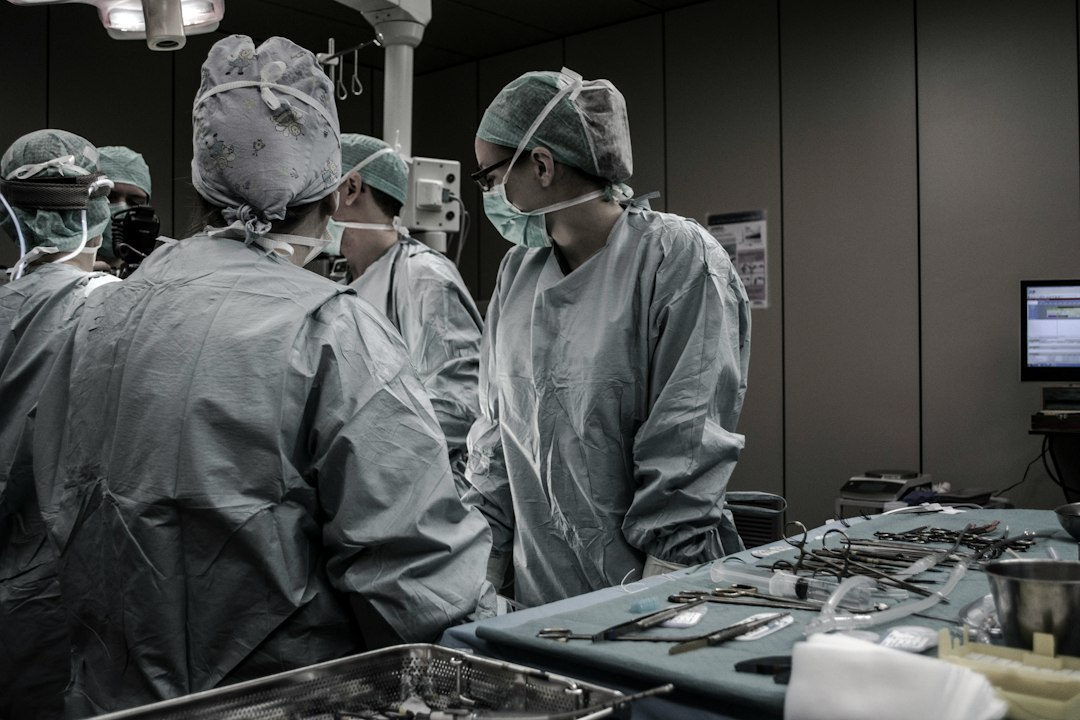
In this guide, we will explore what specialized medical care truly means. We will look at how it differs from primary care and delve into its key components. We will also examine the critical role of care coordination, the multidisciplinary teams involved, and how patients can best access these vital services. We will highlight the latest innovations, including advanced approaches like interventional pain management, and discuss the challenges and future trends shaping this crucial area of healthcare. Our aim is to provide a comprehensive understanding of how specialized care is advancing to restore health and improve lives.
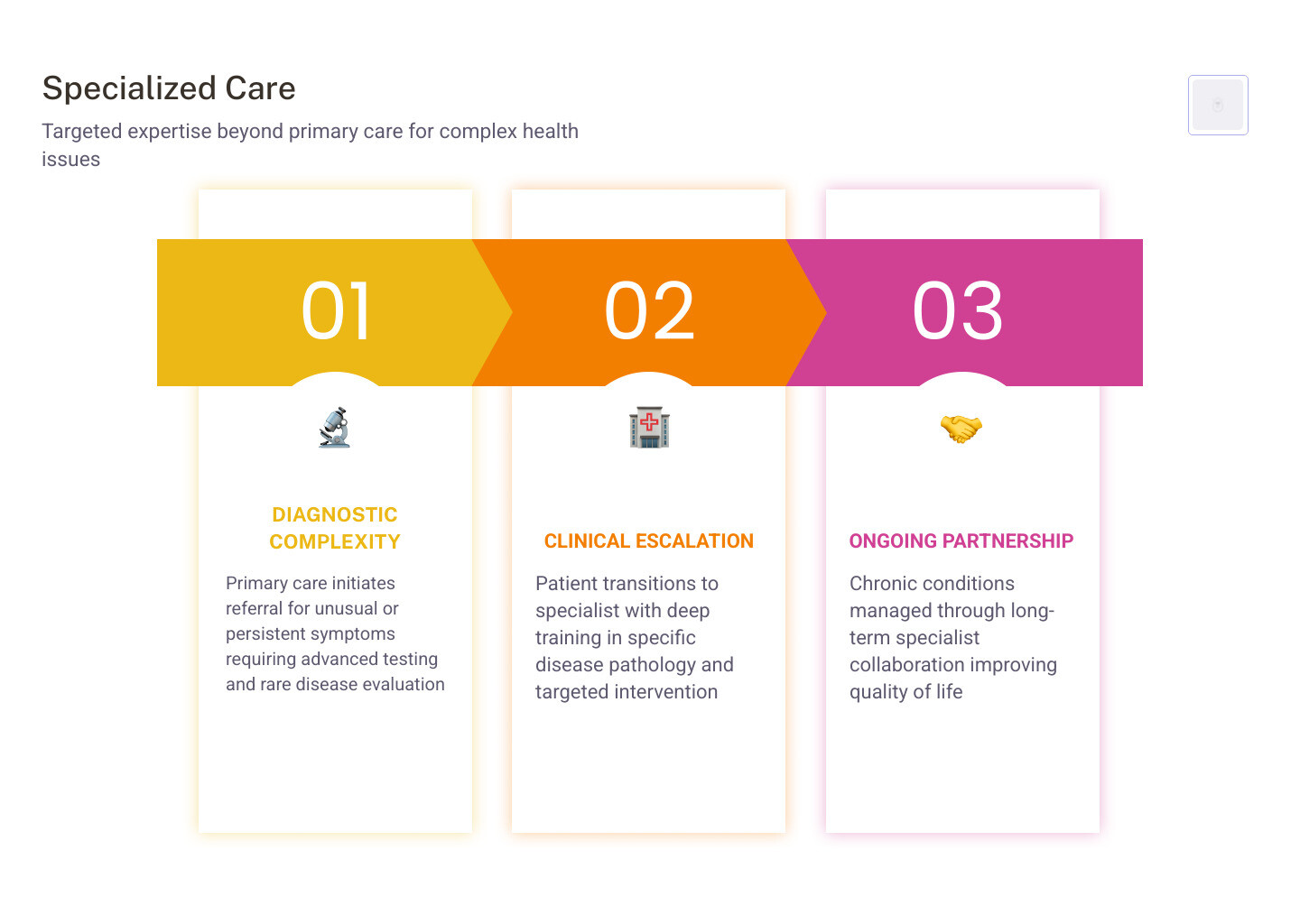
Specialized medical care represents a crucial tier within the modern healthcare system, designed to address complex health issues that extend beyond the scope of general practice. While primary care serves as the initial point of contact for routine health concerns, offering comprehensive wellness checks and managing common illnesses, specialized care delves into particular areas of medicine, providing in-depth expertise, advanced diagnostic tools, and highly focused treatment strategies. This distinction is vital for navigating the healthcare landscape, especially as conditions become more diagnostically challenging or require targeted interventions.
The diagnostic complexity often dictates the need for specialized attention. When a patient presents with symptoms that are unusual, persistent, or indicative of a rare or severe condition, a primary care physician will typically initiate a referral. This clinical escalation ensures that the patient receives an accurate diagnosis and an appropriate treatment plan from a professional with advanced training in that specific disease pathology. Specialized care is not just about treating symptoms; it’s about understanding the intricate mechanisms of a disease and applying the most effective, targeted interventions. For individuals managing chronic conditions, specialized medical care often becomes an ongoing partnership, crucial for long-term health management and improved quality of life.
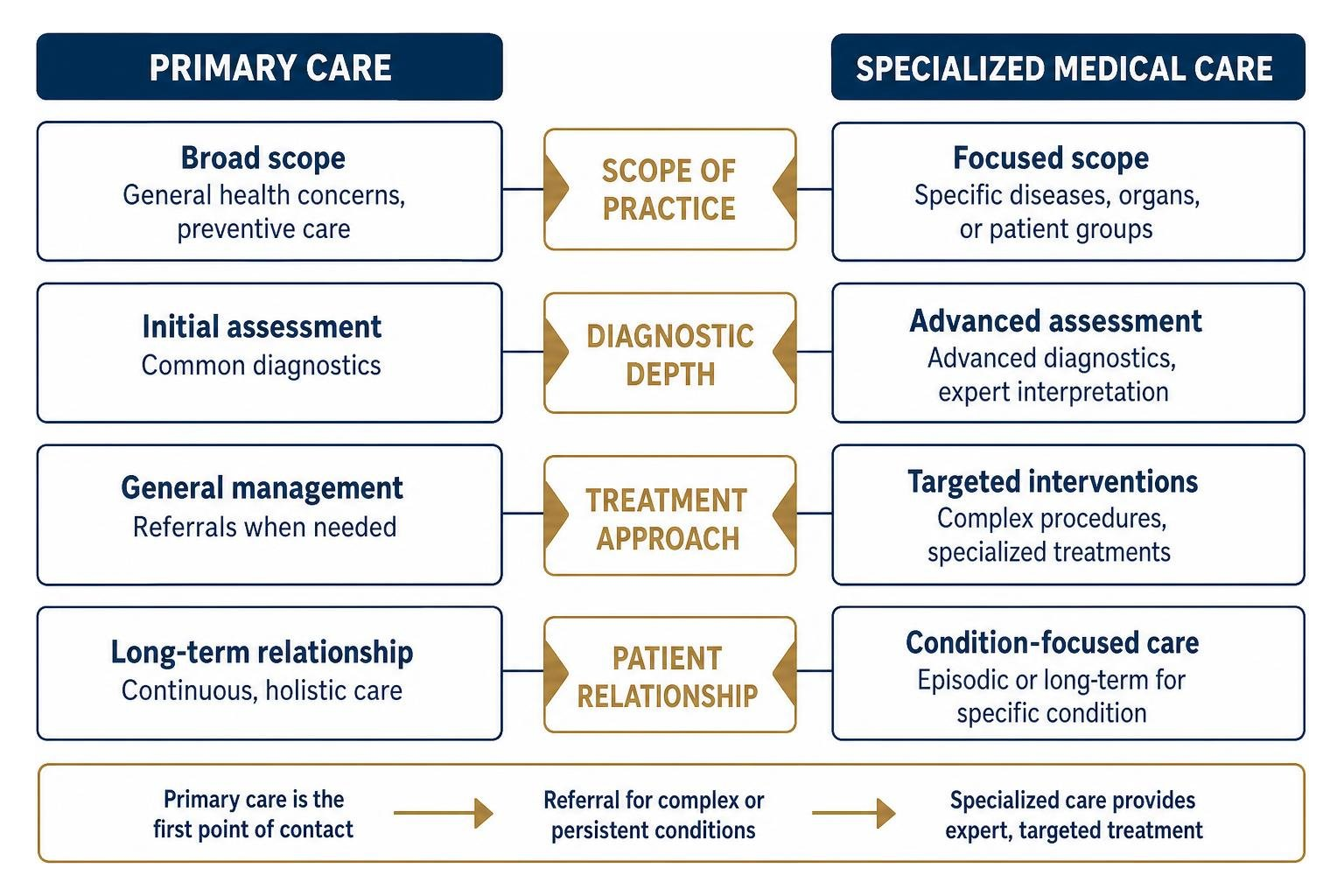
Feature Primary Care Specialized Medical Care Scope of Practice Broad, general health concerns, preventive care Focused on specific diseases, organs, or patient groups Diagnostic Depth Initial assessment, common diagnostics Advanced diagnostics, expert interpretation Treatment Approach General management, referrals Targeted interventions, complex procedures Patient Relationship Long-term, continuous, holistic Episodic or long-term for specific condition Coordination Role Gatekeeper, initial coordinator Often requires coordination with primary care and other specialists Expertise Level General medical knowledge Advanced, in-depth expertise in a sub-field Primary Care vs Specialty Care Dynamics
The relationship between primary care and specialty care is foundational to effective patient management. Primary care physicians (PCPs) act as gatekeepers, providing comprehensive wellness services, managing common ailments, and serving as the first point of contact for most health concerns. Their scope of practice is broad, encompassing preventive care, health maintenance, and the diagnosis and treatment of acute and chronic conditions. However, when a patient’s condition demands a deeper level of expertise or advanced diagnostic capabilities, PCPs leverage their referral networks to connect patients with appropriate specialists.
This dynamic ensures that patients receive the right level of care at the right time. While primary care focuses on comprehensive wellness and continuity of care, specialty care offers episodic, yet intensive, interventions for particular health issues. For instance, a PCP might manage a patient’s general diabetes care, but if complications arise, such as kidney issues or vision problems, they would refer the patient to an endocrinologist, nephrologist, or ophthalmologist for subspecialty consultation. This collaborative model, when executed effectively, prevents care fragmentation and ensures a seamless transition between different levels of medical attention.
Core Dimensions of Specialized Medical Care Across Clinical Disciplines
Specialized medical care spans a vast array of clinical disciplines, each dedicated to mastering a particular area of human health. These specialties are characterized by their focused expertise, advanced methodologies, and often, by the unique patient populations they serve.
In Cardiology, specialists address heart and vascular conditions, from preventive cardiovascular care to complex surgical interventions for aortic diseases. Oncology is dedicated to cancer diagnosis and treatment, often involving multidisciplinary teams to manage various types of cancer, such as breast, lung, and urological cancers, as seen at centers like the Champalimaud Clinical Centre. Neurology focuses on disorders of the nervous system, including advanced interventions for conditions like pituitary and neuroendocrine disorders, as exemplified by Stanford Health Care’s Pituitary Center.
Orthopedics and Endocrinology manage musculoskeletal issues and hormonal imbalances, respectively. Gastroenterology deals with digestive system disorders, with specialized programs like the Glennon Intestinal Rehabilitation and Feeding (GIRAF) team offering comprehensive care for pediatric intestinal failure. Fetal therapy, a highly specialized field, provides diagnosis and surgical interventions for birth defects before a baby is born, with institutions like the Richard D. Wood Jr. Center for Fetal Diagnosis and Treatment leading the way globally. Finally, Advanced Rheumatology tackles complex autoimmune and inflammatory conditions affecting joints, muscles, and bones. Each of these fields exemplifies the depth and precision that specialized medical care brings to patient health.
Multidisciplinary Care Coordination and Decision-Making Models
The complexity of modern medicine, particularly in specialized fields, necessitates a highly coordinated approach to patient care. Without effective coordination, patients can experience fragmented care, leading to redundant tests, conflicting advice, and poorer health outcomes. Care coordination in specialized medical care involves seamlessly integrating various healthcare providers, services, and information to ensure that a patient’s journey is efficient, effective, and patient-centered. This is crucial for managing intricate conditions, where multiple specialists may be involved.
Integrated workflows are paramount, allowing different specialists to share patient data, treatment plans, and progress reports in real-time. This reduces the risk of care fragmentation and enhances diagnostic precision. Communication protocols, whether through secure digital platforms or regular case conferences, ensure that all members of the care team are aligned on the patient’s goals and treatment trajectory. Furthermore, the evolving landscape of alternative payment models and bundled care initiatives increasingly incentivizes providers to collaborate, focusing on overall patient outcomes rather than isolated services. This shift encourages a holistic approach, where the collective expertise of a team outweighs the contributions of individual practitioners.

The Value of Interdisciplinary Specialty Teams
Interdisciplinary specialty teams are the cornerstone of high-quality specialized medical care. These teams bring together professionals from various medical disciplines—including physicians, surgeons, nurses, dietitians, social workers, and therapists—to provide comprehensive and holistic support to patients. The collaborative diagnostics process benefits immensely from this approach, as different perspectives can lead to more accurate diagnoses and innovative treatment strategies. For instance, in oncology, tumor boards convene specialists from surgery, radiation, medical oncology, and pathology to review complex cases and collectively determine the optimal treatment alignment.
Case conferences are regular forums where team members discuss patient progress, adjust treatment plans, and address any emerging challenges. This ensures that all aspects of a patient’s well-being, from medical treatment to psychosocial support, are considered. Programs like the GIRAF team for pediatric intestinal failure exemplify this, offering a family-centered, multidisciplinary approach with coordinated appointments and dedicated care coordinators. Similarly, the Champalimaud Clinical Centre emphasizes personalized medicine delivered by multidisciplinary teams, believing that interdisciplinary collaboration leads to higher efficacy in disease control. Patient navigation services often complement these teams, guiding patients through complex healthcare systems and ensuring they receive timely and appropriate care.
Key Clinical and Administrative Decision Makers
Within specialized medical care settings, a diverse group of individuals plays critical roles in decision-making, influencing everything from patient treatment plans to resource allocation and technological adoption. These decision makers operate at various levels, ensuring the smooth functioning and strategic direction of specialized services.
Attending surgeons and clinical directors are often at the forefront, directly responsible for patient care decisions, treatment protocols, and the clinical quality of their respective departments. They guide medical teams and ensure adherence to best practices. Hospital administrators and nurse managers oversee the operational aspects, including staffing, budgeting, and patient flow, ensuring that facilities are equipped and run efficiently to support specialized care.
Medical researchers contribute by advancing scientific knowledge and translating discoveries into new treatments and diagnostic tools, often collaborating with clinicians on clinical trials. Pharmacy directors manage pharmaceutical supplies, ensuring access to necessary medications and optimizing drug therapies. Healthcare technology officers are crucial for integrating advanced technologies, such as 4K and 3D endoscopic equipment or virtual reality surgical planning, into clinical practice. Additionally, purchasing managers make decisions on medical equipment and supplies, while Key Opinion Leaders (KOLs) and regulatory officials influence broader policy, guidelines, and market access for new medical innovations. Engaging with these varied stakeholders is essential for understanding the intricate ecosystem of specialized medical care.
Clinical Innovations in Pain Management and Complex Interventions
The field of specialized medical care is continuously evolving, driven by groundbreaking clinical innovations that enhance diagnostic precision, refine treatment methodologies, and improve patient outcomes. These advancements are particularly evident in areas requiring complex interventions, such as pain management and highly specialized surgical procedures. The integration of cutting-edge technologies and novel therapeutic approaches is transforming how we approach challenging medical conditions.
One significant area of innovation involves endoscopic techniques, which allow for minimally invasive access to internal organs and structures, reducing recovery times and surgical risks. Alongside this, targeted biologics are revolutionizing treatment for various diseases by specifically addressing disease pathways at a molecular level, offering more precise and effective therapies with fewer side effects. Advanced imaging technologies, such as high-resolution MRI and PET-CT scans, provide unprecedented detail, enabling earlier and more accurate diagnoses.
Furthermore, 3D surgical planning and virtual reality guidance are empowering surgeons with enhanced visualization and precision, allowing them to meticulously plan and rehearse complex procedures before entering the operating room. This technological convergence leads to improved surgical outcomes and patient safety. Clinical trials continue to play a pivotal role in validating these innovations, ensuring that new treatments are both safe and effective, ultimately leading to better health restoration and a higher quality of life for patients.
Minimally Invasive Treatments and Pain Modulation
The landscape of pain management has been significantly reshaped by a wave of minimally invasive treatments, offering patients alternatives to traditional open surgery with reduced recovery times and often superior outcomes. These innovations focus on precisely targeting the source of pain, modulating nerve signals, or promoting the body’s natural healing processes.
Spinal cord stimulation is a prime example, where a small device is implanted to deliver mild electrical pulses to the spinal cord, interrupting pain signals before they reach the brain. Regenerative therapies, including platelet-rich plasma (PRP) and stem cell injections, harness the body’s own healing capabilities to repair damaged tissues and reduce inflammation, particularly in orthopedic and musculoskeletal conditions. For those suffering from chronic pain, exploring options in interventional pain management can provide access to a wide array of procedures designed to alleviate discomfort and restore function. These specialists utilize precise techniques to diagnose and treat pain, often avoiding the need for extensive surgery.
Further advancements include neuroablation, which involves using heat or cold to temporarily or permanently disable pain-transmitting nerves, and precise joint injections, guided by imaging, to deliver anti-inflammatory medications or lubricants directly to affected areas. The goal of these treatments is not just pain relief, but also functional restoration, enabling patients to regain mobility and participate more fully in daily activities.
Precision Protocols and Cardiovascular Therapies
Cardiovascular health is another domain where precision protocols and advanced therapies are making a profound impact. The focus has shifted towards highly targeted interventions and proactive management, aiming to prevent disease progression and improve long-term outcomes. Effective preventive cardiovascular care is crucial in this regard, emphasizing early detection, risk factor modification, and lifestyle interventions to safeguard heart health.
For complex conditions like aortic diseases, aortic surveillance through regular imaging is critical, especially for individuals with genetic predispositions or risk factors. This allows for early detection of aneurysms or dissections. When intervention is necessary, endovascular repair techniques, such as EVAR (endovascular aneurysm repair) and TEVAR (thoracic endovascular aortic repair), offer minimally invasive alternatives to open surgery, using catheters to deploy grafts within the aorta. The Swedish Aortic Center, for instance, integrates genetic screening and longitudinal surveillance into its management of aortic conditions, recognizing the importance of a comprehensive approach.
Genetic screening plays a vital role in identifying individuals at higher risk for inherited cardiovascular conditions, enabling proactive monitoring and personalized treatment strategies. Targeted pharmacotherapy involves using medications specifically designed to address underlying disease mechanisms, such as novel anticoagulants or lipid-lowering agents. In certain cases, stereotactic radiosurgery can be used for cardiac arrhythmias or tumors, delivering highly focused radiation with extreme precision. These precision protocols collectively represent a significant leap forward in cardiovascular care, offering tailored solutions that improve both the efficacy and safety of treatments.
Centers of Excellence and Patient Navigation Strategies
The concept of a “Center of Excellence” has emerged as a benchmark for specialized medical care, signifying a healthcare facility or program recognized for its outstanding clinical outcomes, advanced technology, and comprehensive patient-centered approach in a specific area of medicine. These centers typically handle a high volume of complex cases, allowing their teams to develop unparalleled expertise and refine their treatment protocols. For patients seeking the highest level of specialized care, identifying and accessing these centers is paramount.
High-volume centers, such as the Richard D. Wood Jr. Center for Fetal Diagnosis and Treatment, which has performed over 2,598 fetal surgeries since 1995, demonstrate that extensive experience often correlates with improved surgical volume metrics and better patient outcomes. International accreditation, like the Canadian accreditation received by Specialized Medical Care Hospital in Al Ain, UAE, serves as an external validation of a center’s commitment to quality and adherence to rigorous clinical safety standards. Beyond clinical expertise, these centers also prioritize robust infection control measures and continuous quality assurance programs to ensure the safest possible environment for patients.

Specialized Hospital Infrastructure and Accreditation
Specialized hospitals and centers of excellence are distinguished by their state-of-the-art infrastructure, designed to support advanced medical procedures and patient care. This often includes hybrid operating rooms, which combine a traditional surgical environment with advanced imaging capabilities (such as angiography or MRI), allowing surgeons to perform complex procedures and immediately assess their results without moving the patient. The Champalimaud Clinical Centre, for example, integrates clinical care with applied research, leveraging advanced facilities to provide personalized medicine.
Advanced diagnostic tools are also a hallmark, with facilities boasting advanced PET-CT imaging for precise cancer staging, and robotic surgical platforms that enhance surgical precision and control, particularly in fields like urology and general surgery. Beyond technology, these institutions are committed to rigorous quality assurance programs that continuously monitor and improve patient care processes. Patient safety protocols are meticulously implemented, covering everything from medication management to infection prevention, often guided by international standards. The Bangladesh Specialized Hospital, for instance, highlights its paperless electronic medical records and advanced imaging equipment as integral to its modern approach, reinforcing its commitment to world-class facilities and patient safety.
Navigating Access to Specialized Medical Care and Choosing Providers
Accessing specialized medical care can be a complex process, often requiring careful navigation of healthcare systems. Patients typically begin with a referral workflow from their primary care physician, who determines the need for specialized consultation. This initial step is crucial for directing patients to the most appropriate specialist.
Once a referral is made, insurance preauthorization becomes a critical consideration. Many specialized treatments and procedures require prior approval from insurance providers, and understanding these requirements beforehand can prevent unexpected costs or delays. Patients should actively inquire about the specialist’s background and expertise, as well as the cost of care and insurance coverage, as highlighted in guidance for navigating specialized healthcare.
Choosing the right provider also involves evaluating provider credentials, looking for board-certified specialists with experience in treating the specific condition. Seeking second opinions is often advisable for complex diagnoses or treatment plans, providing additional perspectives and reassurance. For patients with rare or challenging conditions, exploring clinical trials access can offer opportunities for novel treatments not yet widely available. Finally, the increasing availability of telemedicine evaluations provides a convenient way to consult with specialists, especially for follow-up appointments or for patients in remote areas, streamlining access to expert advice.
Frequently Asked Questions About Specialized Healthcare
Navigating specialized medical care can raise many questions. Here, we address some of the most common inquiries to help you better understand this vital component of modern healthcare.
How does specialist care differ from general primary care?
Specialist care fundamentally differs from general primary care in its diagnostic scope and procedural expertise. While primary care provides broad, continuous, and comprehensive care for common health issues and preventive services, specialist care focuses on a narrow field of medicine, such as cardiology, oncology, or neurology. Specialists possess in-depth knowledge and advanced training in specific focused organ systems or disease categories. This allows them to perform complex diagnostics and offer highly specific treatments that go beyond the capabilities of a general practitioner. For instance, a primary care doctor might manage a patient’s initial symptoms of heart disease, but a cardiologist would provide secondary intervention and long-term management for complex cardiac conditions, utilizing specialized tests and procedures.
When is a specialist referral necessary for complex conditions?
A specialist medical care referral becomes necessary when a patient experiences unresolved symptoms that do not respond to primary care interventions, or when there is atypical disease progression that suggests a more complex underlying condition. If advanced testing requirements are needed, such as specialized imaging (e.g., MRI, PET-CT) or complex laboratory analyses that a primary care office cannot provide, a referral is typically made. Furthermore, conditions involving multiorgan pathology or those that are rare and require expert knowledge for diagnosis and treatment almost always warrant consultation with a specialist. The goal is to ensure that the patient receives the most accurate diagnosis and effective treatment plan from a professional with the highest level of expertise in that particular area.
How do multidisciplinary teams improve patient outcomes?
Multidisciplinary teams significantly improve patient outcomes by fostering coordinated treatment plans that integrate the expertise of various specialists. Instead of a patient seeing multiple doctors in isolation, a team approach ensures that all providers are communicating and collaborating on a single, cohesive plan. This collaboration helps in reducing medical errors, as different perspectives can identify potential issues or optimize treatment strategies. It also leads to streamlined therapies, avoiding redundant tests or conflicting prescriptions. The holistic patient monitoring provided by these teams addresses not only the medical aspects of a condition but also the psychosocial and lifestyle factors, leading to more comprehensive care, better adherence to treatment, and improved long-term health and quality of life.
Conclusion
The landscape of specialized medical care is continually advancing, offering unprecedented opportunities for improving health outcomes and enhancing the quality of life for patients facing complex medical challenges. From the precise diagnostics of advanced imaging to the targeted interventions of minimally invasive procedures and the collaborative power of multidisciplinary teams, we are witnessing a remarkable evolution in healthcare delivery.
The imperative for care integration and patient-centered innovation drives this progress, ensuring that individuals receive not only the most effective treatments but also compassionate, coordinated support throughout their healthcare journey. The ongoing development of value-based healthcare models further encourages efficiency and efficacy, aligning provider incentives with optimal patient results. As technological convergence continues to introduce new tools and techniques, the future of specialized medical care promises even greater precision, personalization, and accessibility, ultimately leading to an enhanced quality of life for countless individuals in the years to come.
