Play is a child’s natural language and one of the most powerful ways they learn and grow. Long before they can put complex feelings into words, children use play to explore, understand, and process their world. By engaging in simple, intentional play ideas with your child, you can help them build a vital life skill: emotional regulation. These activities don’t need expensive toys or complicated setups. They just require a little time and a willingness to connect.
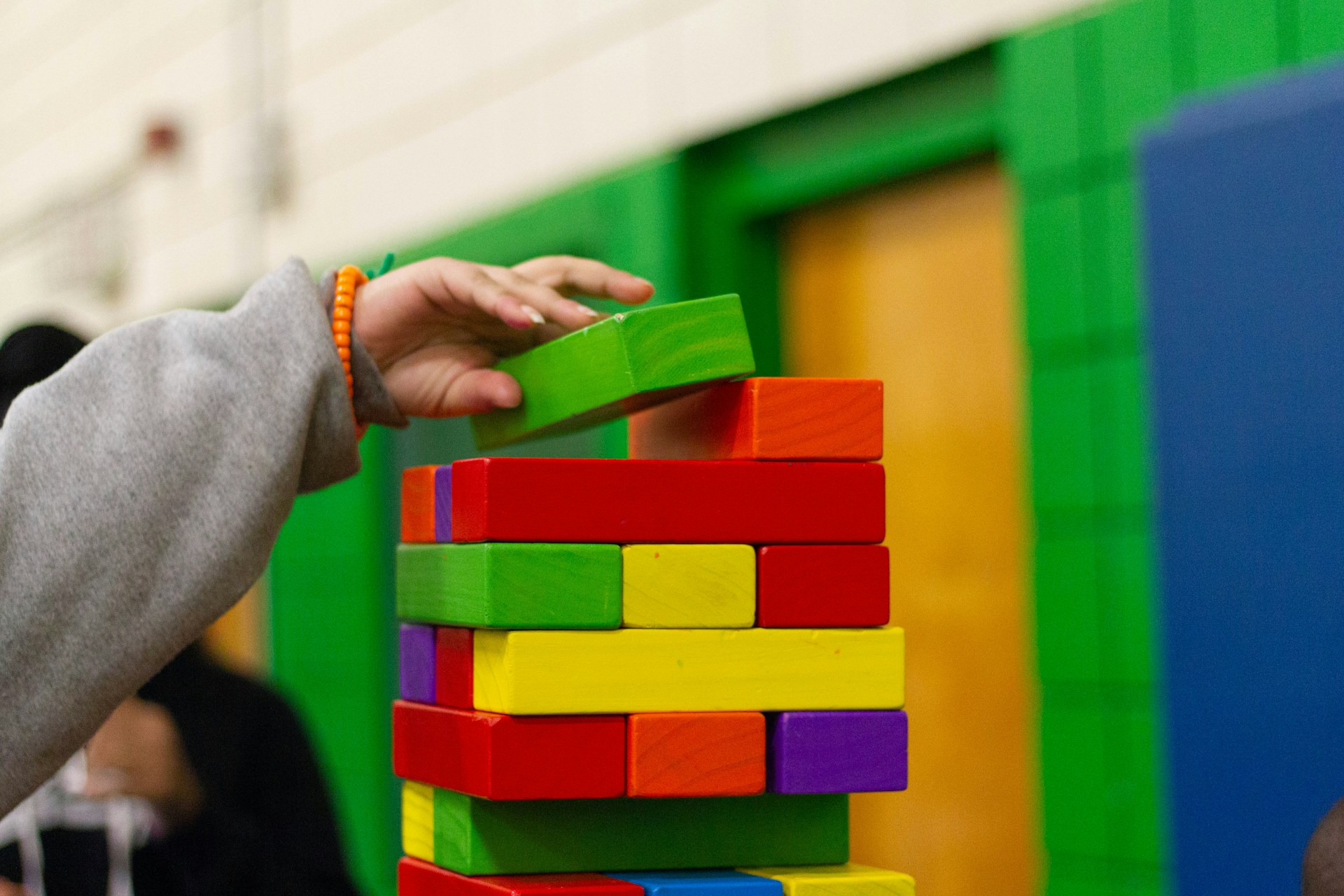
Image Credit: Unsplash
Why Play Helps Emotions
Play offers a safe, low-pressure space for children to experiment with big feelings. When a tower of blocks falls over, a child feels a small dose of frustration. When they have to wait their turn in a game, they practice patience. These moments are like rehearsals for real-life challenges. Developmental psychologists say this kind of free play ideas helps build new brain connections essential for problem-solving, social skills, and self-control. It gives kids a chance to feel in charge, make choices, and navigate social rules on their own terms.
When children are overwhelmed by their feelings, parents might struggle to know how to respond. If you’re looking for more strategies, Emora Health’s guide to children who cry over everything could be a helpful resource for understanding why these emotional outbursts happen. Play acts as a bridge, letting you connect with your child and teach them coping skills without a formal lesson. Through playful interaction, you can model healthy ways to handle disappointment and excitement. Simply playing together strengthens your bond, making your child feel safe and understood. This feeling of security is the foundation for emotional health. Playing is a direct way to help children regulate emotions through play and build resilience.
Mindful Movement Activities
Connecting the mind and body is a powerful way to manage emotions. When a child feels anxious, hyperactive, or angry, their body often holds that tension. Mindful movement helps release that physical energy and brings their focus back to the present. These play ideas aren’t about performance or skill, but about feeling and awareness.
- Animal Walks: This is a fun way to release big feelings. Ask your child to move like different animals. They can stomp like a mighty elephant when angry, stretch tall like a giraffe to feel calm, or scurry quickly like a mouse when full of wiggly energy. This helps them link a physical action with an emotion, giving them a healthy outlet.
- Balloon Breathing: Have your child pretend they are a balloon. As they breathe in slowly through their nose, they can spread their arms out wide as if filling with air. Then, have them breathe out slowly through their mouth, letting their arms fall as the “balloon” deflates. This simple deep-breathing exercise can quickly lower stress levels.
- Follow the Leader: This classic game encourages focus and body awareness, reminding us that family game night is more than just games. You can start as the leader, doing slow, deliberate movements like raising one arm, touching your toes, or balancing on one foot. Then, switch roles and let your child lead. This teaches them to pay close attention and control their own body’s movements. Many other games can help kids with self-regulation and improve their focus.
Creative Expression Crafts
Sometimes, feelings are too big or confusing to put into words. Art and creative activities offer a non-verbal outlet, letting children show what they feel without having to explain it. The focus should always be on the process of creating, not on the final product.
- Feelings Collage: Gather some old magazines, colored paper, scissors, and glue. Ask your child to find pictures, colors, or textures that look like how they feel inside. They might pick a stormy gray for sadness, a bright yellow for happiness, or a jagged red shape for anger. Talking about their choices afterward can gently open a conversation about their emotions.
- Play-Doh Smash and Sculpt: Give your child a lump of Play-Doh and let them pound it, roll it, squeeze it, and smash it. This physical release can be very satisfying for a child feeling frustrated or angry. Afterward, you can encourage them to sculpt the dough into a shape that represents their feeling, turning a moment of frustration into a creative act.
- Color Your Feelings: Instead of a traditional coloring book, give your child a blank piece of paper and some crayons or markers. Play different types of music, calm, energetic, dramatic, and ask them to draw the colors and shapes the music makes them feel. This helps them connect outside sounds to their internal emotional state. You can find many more ideas for Zones of Regulation activities that use color and creativity to teach emotional awareness.
Games for Managing Frustration
Learning to lose gracefully and manage the frustration of not getting your way is a major developmental milestone. Games offer the perfect chance to practice this skill in a fun, supportive setting. The key is to model a positive attitude and talk through the feelings that come up with play ideas.
Start with cooperative games where players work together to reach a common goal. This takes the pressure off winning and losing and highlights teamwork. Games where everyone wins or loses together teach children how to collaborate and support each other.
As they get older, you can introduce simple competitive games like Go Fish, Candy Land, or Chutes and Ladders. These games involve a lot of luck, so it’s easier for kids to understand that losing isn’t about their skill. When your child loses, acknowledge their disappointment. You can say something like, “I know it’s frustrating to slide all the way down. It’s okay to feel disappointed.” By validating their feelings, you teach them that it’s normal to be upset, but that the feeling will pass. You can also model how to be a “good sport” by congratulating them when they win and showing them that the fun is in playing together.

Image Credit: Unsplash
Storytelling for Empathy
Stories are a fantastic tool for building empathy and emotional intelligence. When children hear about characters who experience different feelings, they learn to recognize those emotions in themselves and in others. This helps them understand that everyone has feelings and that their actions can affect how others feel.
- Puppet Play: Use puppets or even stuffed animals to act out common social situations. You could have one puppet take a toy from another, or a puppet who feels left out. Ask your child what the puppets might be feeling and what they could do to solve the problem. This role-playing lets them practice social skills in a safe, imaginative way.
- Make-Up-a-Story: Start a story with a simple prompt, like “Once there was a little fox who felt very shy.” Take turns adding to the story with your child. This collaborative storytelling lets you guide the narrative toward themes of overcoming challenges or understanding others’ perspectives.
- Read and Reflect: When reading books together, pause to talk about the characters’ emotions. Ask questions like, “How do you think he felt when that happened?” or “What do you think she will do next?” This turns storytime into an active lesson in empathy and emotional literacy. Discussing characters’ feelings helps children build a vocabulary for their own emotions, which is a key part of developing emotional regulation skills.
Weaving these simple play ideas into your daily routine helps you give your child the tools they need to understand and manage their emotions. It’s a gift that will help them build resilience, empathy, and confidence for years to come.
