Your sewer line plays an important role in keeping wastewater moving safely away from your home. Like other parts of your plumbing system, however, it can develop buildup, blockages, and other issues over time. Regular maintenance can help reduce the risk of unpleasant odors, slow drains, sewage backups, and costly emergency repairs.
So, how often should you have your sewer line cleaned in Winnipeg? There is no one-size-fits-all answer. Your home’s age, plumbing condition, tree coverage, water usage, and history of sewer problems can all influence how frequently professional cleaning is needed. Here are several factors to consider when determining the right schedule for your home.
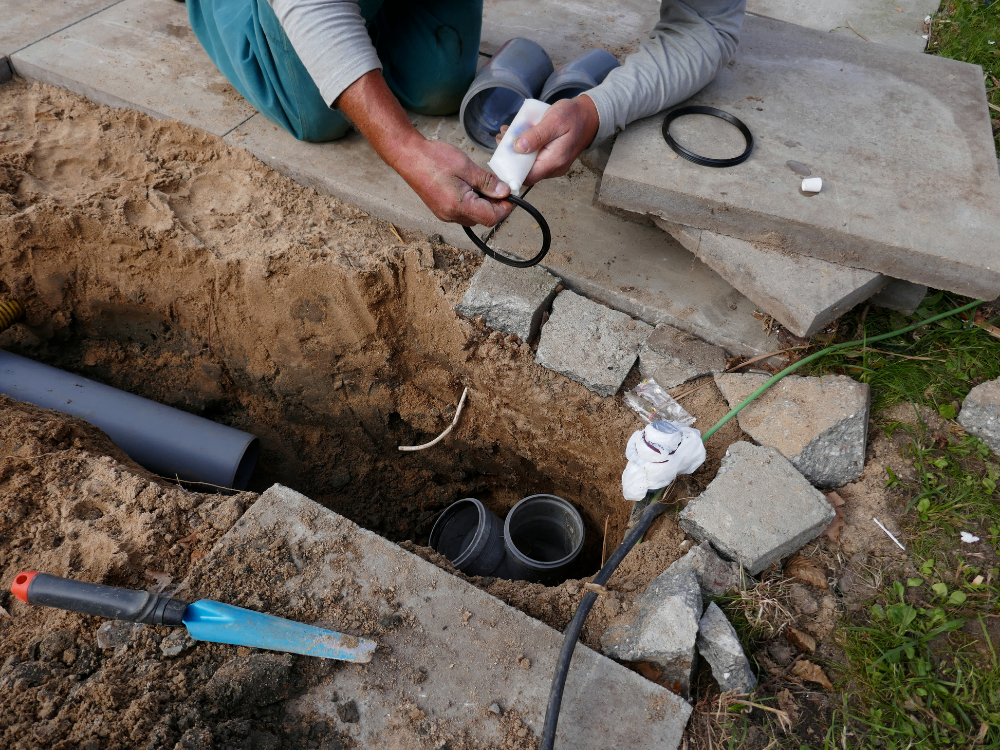
1. Give Your Sewer Line a Little Preventive Care
Waiting until a sewer line is completely blocked can turn a manageable plumbing issue into a stressful emergency. Preventive cleaning gives homeowners an opportunity to address buildup before it causes significant problems.
Clean Line can be a useful option for homeowners looking into sewer cleaning services Winnipeg as part of a preventative maintenance routine. While the ideal frequency varies between properties, some homeowners may benefit from having their sewer lines professionally cleaned every couple of years.
Routine maintenance can be particularly worthwhile for older homes or properties that have experienced blockages in the past. A professional can assess the condition of the line and help determine a cleaning schedule that makes sense for the property.
2. Older Sewer Systems May Need More Frequent Attention
If your Winnipeg home has an older plumbing system, your sewer line may require more attention than a newer installation. Over the years, pipes can accumulate grease, sediment, mineral deposits, and other materials that restrict wastewater flow.
Older pipes can also be more vulnerable to cracks, damaged joints, or other structural problems. Cleaning can remove certain types of buildup, but it is important to recognize that cleaning alone cannot repair a damaged sewer line.
If you live in an older home, consider having the sewer line inspected periodically. The results can help you determine whether routine cleaning every 18 to 24 months or another schedule recommended by a professional is appropriate.
3. Don’t Ignore Slow Drains and Recurring Clogs
A single slow drain does not necessarily mean there is a problem with your main sewer line. However, when several drains throughout your home begin draining slowly at the same time, it may be a sign that a larger blockage is developing.
Recurring toilet clogs, gurgling sounds from drains, or water backing up into sinks and tubs can also indicate trouble farther down the plumbing system.
Instead of repeatedly treating these symptoms, consider having the sewer line professionally assessed. Identifying the underlying cause can help prevent the same problem from returning.
4. Repeated Backups Are a Sign It’s Time to Act
A sewer backup is more than an inconvenience. Wastewater entering your home can create unpleasant odours, damage flooring and other materials, and introduce potential health concerns. If backups keep happening, simply clearing the immediate blockage may not solve the underlying problem.
Homeowners dealing with recurring sewer or drain issues can consider contacting Mr. Rooter Plumbing for professional assistance. A plumbing professional can determine whether buildup, roots, damaged pipes, or another obstruction is contributing to the recurring problem.
Taking action after the first few warning signs can be much easier than dealing with a complete sewer backup.
5. Mature Trees Can Change How Often You Need Cleaning
Tree roots are another factor Winnipeg homeowners should keep in mind. Roots naturally seek sources of water and can sometimes enter sewer pipes through small cracks or vulnerable joints.
Once inside, roots can restrict wastewater flow and trap additional debris, increasing the likelihood of recurring blockages. Homes with mature trees growing near sewer lines may therefore require more frequent inspections and cleaning.
If root intrusion has already affected your sewer line, ask a plumbing professional about an appropriate maintenance schedule.
6. Don’t Wait for a Major Backup to Tell You There’s a Problem
Preventive maintenance is generally easier than emergency plumbing work. If you notice slow drains, unpleasant sewer odours, gurgling toilets, or recurring clogs, these warning signs should not be ignored.
Addressing minor symptoms early may help identify developing blockages before they become major disruptions. Regular professional cleaning can also help keep wastewater flowing properly and provide an opportunity to spot potential concerns.
7. Your Home’s History Should Guide Your Cleaning Schedule
Ultimately, the best sewer cleaning schedule depends on your property’s individual circumstances. A home that has never experienced a sewer blockage may have different maintenance needs from an older property with recurring backups.
Consider factors such as the age and material of your sewer pipes, previous blockages, tree-root activity, household water usage, and the results of previous inspections.
For some homes, cleaning every couple of years may be sufficient. Others may require annual service or more frequent attention. A professional assessment can help establish a practical schedule based on your home’s specific needs.
Keep Your Winnipeg Sewer Line Flowing Smoothly
There is no universal answer to how often a sewer line should be cleaned. However, preventative maintenance can help Winnipeg homeowners reduce the likelihood of unexpected blockages and backups.
Rather than waiting for a serious problem, pay attention to warning signs and consider professional cleaning based on your home’s age, condition, and plumbing history. A proactive approach can help protect your plumbing system and keep wastewater moving where it belongs.
