Your digestive system serves as the foundational engine for your daily energy, immune defense, and long-term health. When your internal microbiome operates smoothly, your entire body reaps the rewards in ways you feel from morning to night. Small daily habits create the baseline for strong internal function and gut health. Consistently feeding your system the right nutrients keeps your energy high and your stomach feeling comfortable.
The Microbiome Connection
Your stomach houses trillions of micro-organisms that actively digest food and extract daily nutrients. A balanced population of friendly bacteria keeps your internal track moving cleanly throughout the day.
Eating a high-plant diet gives those micro-organisms the varied fuel they need to thrive. Mixing leafy greens, root vegetables, and fresh fruits provides natural variety for your system.
A diverse diet protects your overall wellness over time. Eating colorful whole foods daily helps maintain a resilient gut health ecosystem.
Integrating Targeted Daily Support
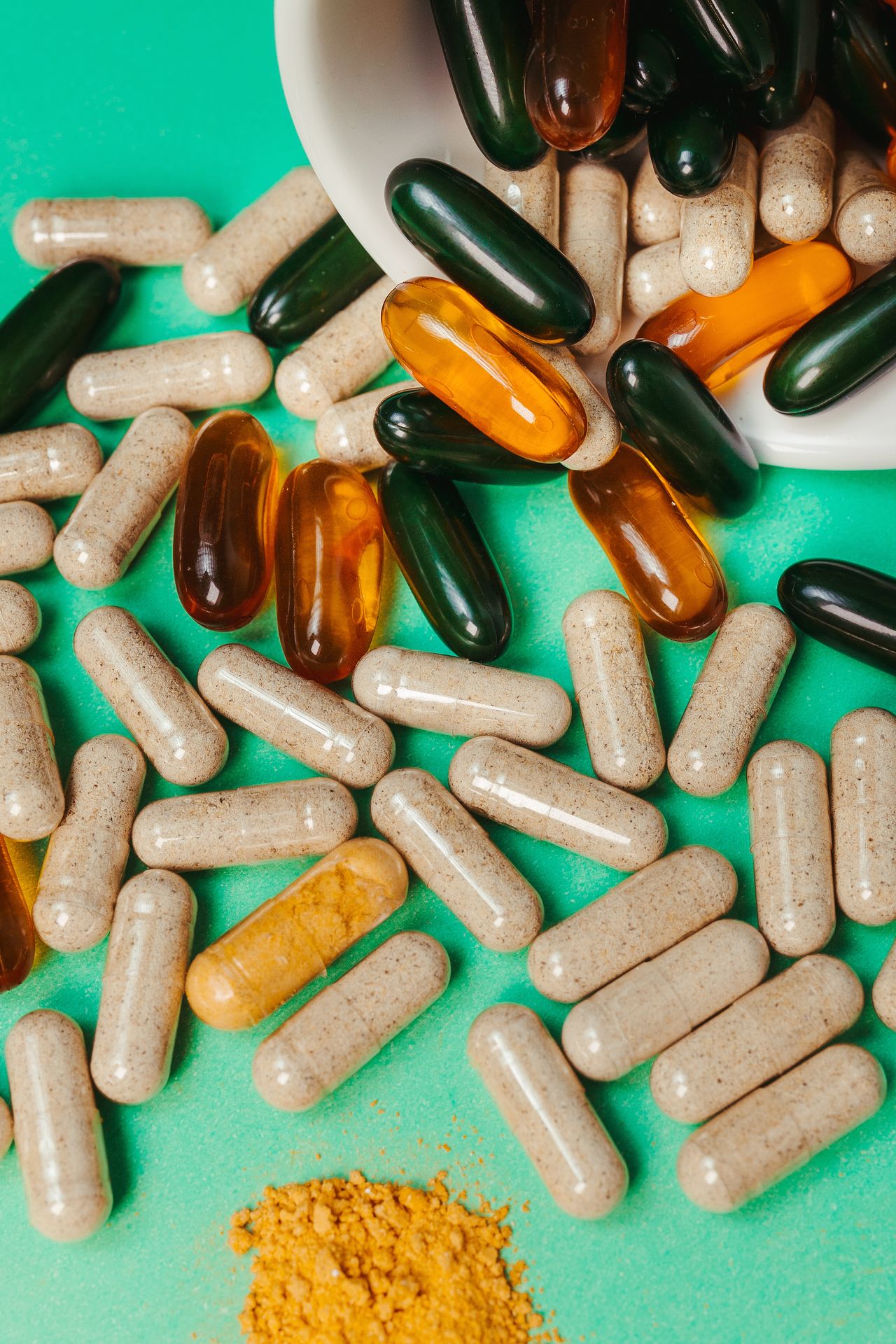
Establishing regular eating times helps train your internal system to process food efficiently. Beyond whole foods, exploring options such as the BioPhysics Essentials premium gut health supplements can complement a nutrient-dense lifestyle. Pairing smart supplementation with consistent meal times creates a reliable daily rhythm for your system.
Your stomach prefers predictable schedules over random late-night eating. Give your body a multi-hour break from digestion before heading to sleep each night.
Fiber as Your Daily Foundation
Fiber acts as the primary fuel source for your beneficial stomach microbes. Without enough bulk in your meals, your digestive process slows down noticeably.
Most adults miss the mark on daily fiber targets. Gradually adding whole grains, beans, and seeds to your lunch or dinner makes a massive difference.
- Oats and barley for smooth digestion
- Beans and lentils for natural density
- Chia seeds for quick daily fiber
- Berries and apples for simple snacks
Increasing your intake too quickly can lead to temporary bloating. Raise your daily fiber levels slowly across a few weeks to give your body time to adjust.
Hydration and Digestive Flow
Water is necessary to push fiber through your digestive tract effortlessly. Drinking enough liquids keeps your stools soft and prevents uncomfortable sluggishness.
When you double down on daily fiber, you must drink extra liquid. Skipping water while loading up on fiber often causes unexpected stomach discomfort.
Keep a large reusable water bottle at your desk as a physical reminder. Sipping steadily throughout your working hours supports natural digestive motility.
Managing Daily Tension
High stress levels alter your internal motility and trigger inflammation in your lower stomach. The gut and brain communicate constantly through deep neural pathways.
Chronic tension often exacerbates common issues like reflux or irritable conditions. Finding quick outlets to reset your mind directly protects your stomach.
Take short breaks during busy workdays to breathe deeply. Simple mid-day walks or quiet stretching sessions keep your nervous system balanced.
Movement for Motility
Physical activity stimulates the natural muscular contractions of your intestines. Sitting at a desk for 8 straight hours stalls your internal processing.
Health guidelines suggest getting 150 minutes of moderate physical activity every single week. Walking briskly after meals helps your stomach break down heavy foods faster.
- Morning brisk walking
- Light evening yoga
- Regular desk stretches
- Cycling or swimming
You do not need intense gym workouts to see real digestive benefits to your gut health. Regular light movement throughout your week keeps your system fully active.
Rest and Microbial Balance
Quality sleep allows your digestive lining to repair itself overnight. Sleep deprivation disrupts your natural hunger hormones and strains your stomach flora.
Aim for 7 to 8 hours of restful sleep every single night. Keep your bedroom cool and dark to encourage continuous sleep cycles.
Avoid heavy meals right before bedtime to prevent midnight acid reflux. A rested body maintains a far healthier digestive tract.

Small Plant Additions
You do not need a complete diet overhaul to fix your stomach health. Adding just 1 extra plant food to your existing meals nourishes beneficial stomach bacteria effectively.
Toss a handful of fresh spinach into your morning smoothie. Sprinkle chia seeds over your oatmeal or mix fresh herbs into your pasta dinner.
These tiny micro-habits compound into massive long-term digestive gains. Consistency matters far more than short-term perfection.
Fermented Foods for Balance
Fermented options bring live, active cultures directly into your digestive system. Foods like yogurt, kefir, sauerkraut, and kimchi offer real probiotic benefits.
Start by adding a small spoon of sauerkraut to your lunchtime sandwich. Introducing fermented foods slowly prevents initial gas or digestive changes.
Look for items with live cultures on the grocery label. Regular consumption helps keep bad bacteria from overpowering your natural internal flora.
Supporting your gut health comes down to steady everyday choices. Prioritizing rich whole foods, active movement, and proper rest builds a reliable digestive foundation that keeps you feeling energetic, clear, and comfortable every day.
