Evaluating When to Repair vs. Replace a Roof
Deciding whether to repair your existing roof or invest in a full roof replacement is a critical dilemma faced by homeowners across the country. While minor issues like isolated wind-blown shingles or localized flashing leaks can often be addressed with targeted repairs, there inevitably comes a threshold where ongoing patching becomes an inefficient financial drain. Key indicators such as widespread shingle curling, deep granule depletion, brittle asphalt substrates, and recurring moisture intrusion signal that your entire roofing assembly is nearing the end of its functional service life. Conducting regular attic and exterior evaluations provides invaluable diagnostic insight, revealing subtle warning signs like watermarks along the underside of roof sheathing, mold formation on structural rafters, or fastener corrosion before catastrophic structural damage occurs. Severe weather events and severe hail impacts further accelerate shingle breakdown, making a comprehensive evaluation necessary.
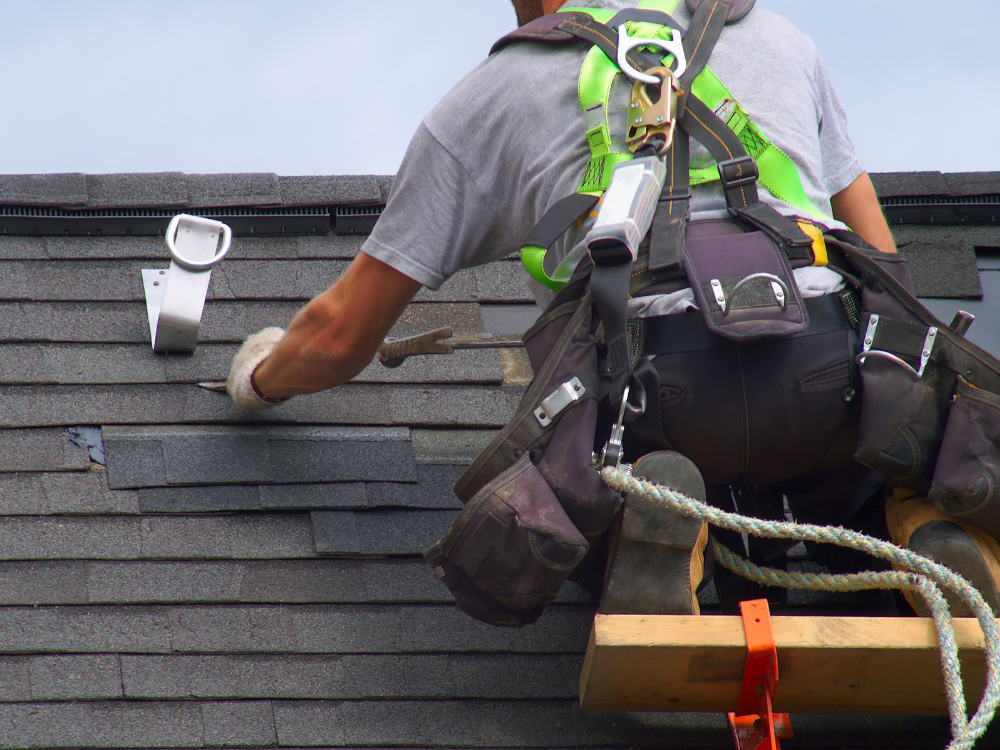
Key Indicators for a Residential Roof Replacement
Recognizing the unmistakable signs of systemic roofing failure is essential for preserving the structural integrity and market value of your property. Homeowners should systematically monitor for several diagnostic symptoms:
- Missing or Damaged Shingles Across Multiple Facets: While isolated missing shingles caused by localized wind gusts can be replaced individually, widespread blow-offs, thermal cracking, or pervasive curling indicate that the underlying asphalt binders have oxidized and lost their elasticity.
- Pervasive Ceiling Watermarks and Drywall Deterioration: Persistent interior water staining across ceilings and upper wall corners indicates water is bypassing the primary underlayment and finding pathways through decking seams. When leaks become chronic across multiple rooms, localized patch repairs rarely solve the underlying systemic water entry.
- Attic Daylight Penetration: Inspecting your unconditioned attic space on a sunny day with the interior lights off is an effective diagnostic technique. If you observe daylight beaming through the wood decking or along the roof valleys and rake edges, moisture, pests, and wind-driven rain can easily penetrate.
- Structural Decking Sag and Rafter Deflection: A visible dip, sway, or localized depression along your roof planes signals that moisture has compromised the plywood or oriented strand board (OSB) decking underneath. Prolonged saturation causes wood fibers to delaminate, rot, and lose load-bearing capacity, requiring immediate tear-off and timber remediation.
- Excessive Biological Growth and Deep Moss Retention: While minor surface algae (Gloeocapsa magma) creates cosmetic black streaks, thick moss growth functions like a sponge, holding moisture directly against shingle surfaces. During freeze-thaw cycles, trapped water expands beneath the shingle edges, lifting tabs, fracturing seals, and rotting the underlying organic compounds.
- Heavy Granule Accumulation in Gutters: Asphalt shingles rely on ceramic-coated mineral granules to protect the underlying petroleum-based asphalt layer from ultraviolet (UV) degradation. When shingles age, their bond weakens, resulting in large quantities of sand-like granules washing into gutters and downspouts, leaving the raw asphalt exposed to rapid solar bake-off.
Diagnostic Inspection Protocols and Building Envelope Science
Thorough roof evaluation requires looking beyond surface-level aesthetics to understand how the entire building envelope functions. A comprehensive inspection analyzes the interplay between your roofing materials, thermal attic insulation, vapor barriers, and passive ventilation systems. Unbalanced attic ventilation frequently leads to superheated roof decks during summer months—reaching temperatures in excess of 150°F—which effectively bakes asphalt shingles from the underside and doubles the rate of chemical volatilization.
During winter, insufficient attic insulation and inadequate soffit intake ventilation cause warm indoor air to rise into the attic, melting snow on the upper roof planes. As runoff reaches the colder eaves, it refreezes into destructive ice dams that force water upward underneath the shingles. Identifying these complex thermodynamic issues requires partnering with an experienced, roof-first exterior company capable of evaluating structural decking, soffit-to-ridge net free ventilation area (NFA), chimney cricket flashing, and wall intersection step flashing with engineering-grade precision.
The 30 Percent Rule and Lifespan Benchmarks
A practical financial guideline used by property managers and roofing consultants is the “30 percent rule.” If the cumulative cost of necessary roof repairs over a 12-month window exceeds 30% of the total estimated cost of a complete replacement, continuing to patch the roof is financially inefficient. Allocating significant capital toward an aging, depreciating asset provides diminishing returns, especially when new roofing systems deliver updated manufacturer warranties, improved energy efficiency ratings, and enhanced storm resilience.
Chronological age serves as another primary benchmark. While standard 3-tab asphalt shingles carry nominal lifespans of 15 to 20 years, modern dimensional architectural shingles typically offer 20 to 30 years of protection under ideal conditions. However, regional climate factors—such as intense UV exposure in southern states, heavy snow loads in northern zones, or high humidity in coastal environments—can degrade asphalt matrices well before their published warranty expiration. When an asphalt roof crosses the 15-to-18-year threshold, the fiberglass matting becomes brittle, adhesive sealant strips lose cohesion, and nail heads begin backing out due to thermal expansion. At this stage, initiating a planned full replacement allows homeowners to avoid emergency structural repairs and select optimal materials on their own schedule.
Residential Roof Replacement Costs and Material Comparisons
Undertaking a residential roof replacement represents a substantial capital investment, but developing a clear understanding of the components that drive project expenses allows homeowners to plan and budget with confidence. In 2026, a turnkey residential roof replacement for a typical single-family home generally ranges between $6,000 and $32,000. For an average 2,000-square-foot home requiring standard architectural asphalt shingles, the national median cost centers around $11,500 to $14,000, depending on geographic location, roof geometry, and underlying decking condition.
Several fundamental variables dictate the final expenditure for a complete tear-off and re-roofing project:
- Material Selection and Grade: The raw roofing material represents between 35% and 50% of the project cost. Entry-level 3-tab asphalt sits at the lower end of the pricing spectrum, while high-performance standing seam metal, synthetic composite shakes, concrete tiles, and natural quarried slate command premium price points.
- Labor and Installation Expertise: High-quality installation accounts for roughly 50% to 65% of the overall invoice. Skilled roofing labor demands competitive wages, proper worker safety compensation, liability coverage, and adherence to manufacturer certification standards.
- Tear-off, Disposal, and Dumpster Fees: Stripping away one or more layers of existing shingles, pulling old underlayment, hauling heavy debris, and paying local landfill disposal fees typically costs between $0.50 and $2.25 per square foot.
- Roof Geometry, Pitch, and Height: Roofs with steep slopes (pitches of 8/12 and higher) require specialized staging, safety harnesses, roof jacks, and slower operational speeds. Multi-story homes also require additional hoisting machinery and labor safety protocols.
- Architectural Features and Penetrations: Valleys, dormers, skylights, chimneys, vent pipes, and multi-plane hip-and-gable configurations require custom copper or aluminum flashing, self-adhering ice-and-water membranes, and intricate hand-cutting, increasing overall labor hours.
- Geographic and Regional Influences: Regional permitting fees, coastal wind-zone building codes, seismic bracing standards, and regional material availability cause substantial cost variances between urban metro centers and rural areas.
When planning a major structural upgrade, it is vital to work with experienced specialists who focus on integrated roofing systems rather than surface-only fixes, providing reliable outcomes for full roof system replacements.
Material Durability, Longevity, and Cost Profiles
Selecting the best roofing material involves balancing upfront capital outlay against long-term durability, wind resistance, fire ratings, aesthetic compatibility, and expected service life. Modern homeowners can choose from a broad variety of engineered and natural roofing products, each tailored to distinct architectural styles and climatic demands.
Material Type Avg. Installed Cost (per sq. ft.) Avg. Lifespan (Years) Key Performance Characteristics 3-Tab Asphalt Shingles $3.50 – $5.50 15 – 20 Economical upfront cost; basic wind resistance (up to 60–70 mph); lightweight; limited dimensional aesthetics. Architectural / Dimensional Shingles $5.00 – $8.50 25 – 30 Multi-layered laminate construction; wind ratings up to 110–130 mph; superior granule adhesion; versatile styling. Luxury / Designer Asphalt Shingles $8.00 – $13.50 30 – 45 Heavyweight composition; replicates slate or hand-split cedar; exceptional impact resistance (Class 4 UL 2218). Standing Seam Metal (Steel / Aluminum) $10.00 – $18.50 50 – 70 Concealed fastener design prevents leaks; solar-reflective cool roof coatings; non-combustible Class A fire rating. Synthetic / Composite Shake & Slate $11.00 – $19.00 45 – 60 Engineered polymers; lightweight; UV-stabilized; highly resistant to cracking, rot, and hail impacts without structural reinforcement. Clay & Concrete Tile $12.00 – $24.00 50 – 100 Exceptional longevity and thermal mass in warm climates; heavy dead-load requiring verified structural rafter support. Natural Quarried Slate $20.00 – $40.00+ 75 – 150+ Ultimate natural stone longevity; impervious to rot and fire; extremely heavy; requires specialized artisan installation. The Importance of Complete Roofing Systems and Certified Crews
A dependable roof involves far more than just surface shingles or tiles. A complete roofing system functions as an integrated protective envelope comprising several distinct layers:
- Structural Wood Decking Inspection & Repair: Rotted, warped, or delaminated CDX plywood or OSB sheets must be replaced with code-compliant panels securely fastened to the rafters.
- Self-Adhering Ice and Water Barriers: Polymer-modified bitumen membranes applied directly to eaves, valleys, low-slope sections, and around penetrations create a waterproof seal against driven rain and ice dam backups.
- High-Performance Synthetic Underlayment: Replacing obsolete organic felt paper, woven synthetic underlayment provides high tear strength, moisture resistance, and a reliable secondary barrier across all open roof decks.
- Starter Shingles and Precision Fastening: Factory-applied adhesive starter strips along eaves and rakes prevent wind lift. Utilizing certified professional installation crews ensures that every shingle is secured using precise pneumatic nail depth and correct 4-nail or 6-nail patterns suited to regional wind-load requirements.
- Corrosion-Resistant Metal Flashing: Heavy-gauge aluminum, galvanized steel, or copper flashings must be installed in all valleys, step-ups against vertical sidewalls, and chimney saddles.
- Balanced Intake and Exhaust Ventilation: Ridge vents combined with unobstructed soffit baffles maintain constant airflow through the attic, balancing temperature and preventing moisture accumulation beneath the roof deck.
Warranty Structures and Long-Term Value Creation
When investing in a replacement roof, homeowners must carefully evaluate the warranty protections included with their purchase. Roofing warranties fall into three distinct tiers:
- Standard Manufacturer Material Warranties: These cover manufacturing defects in the shingle or panel itself for a specified period (typically 20 to 50 years prorated), but often exclude labor costs for tear-off and reinstallation after the initial non-prorated window expires.
- Workmanship Warranties: Offered directly by the installing contractor, these cover installation errors, flashing leaks, and application defects. Reputable contractors typically offer workmanship warranties spanning from 2 to 10 years or more.
- Extended Non-Prorated System Warranties: Offered exclusively through manufacturer-certified contractors who install an entire unified roof system (shingles, underlayment, starter strips, ridge caps, and ventilation), these warranties provide 25 to 50 years of non-prorated material and labor coverage, backed directly by the roofing manufacturer.
Investing in a high-caliber roof system installed by credentialed technicians protects your home from severe weather, lowers energy bills through improved solar reflectance and thermal venting, and provides transferable warranty coverage that significantly bolsters home resale value.
