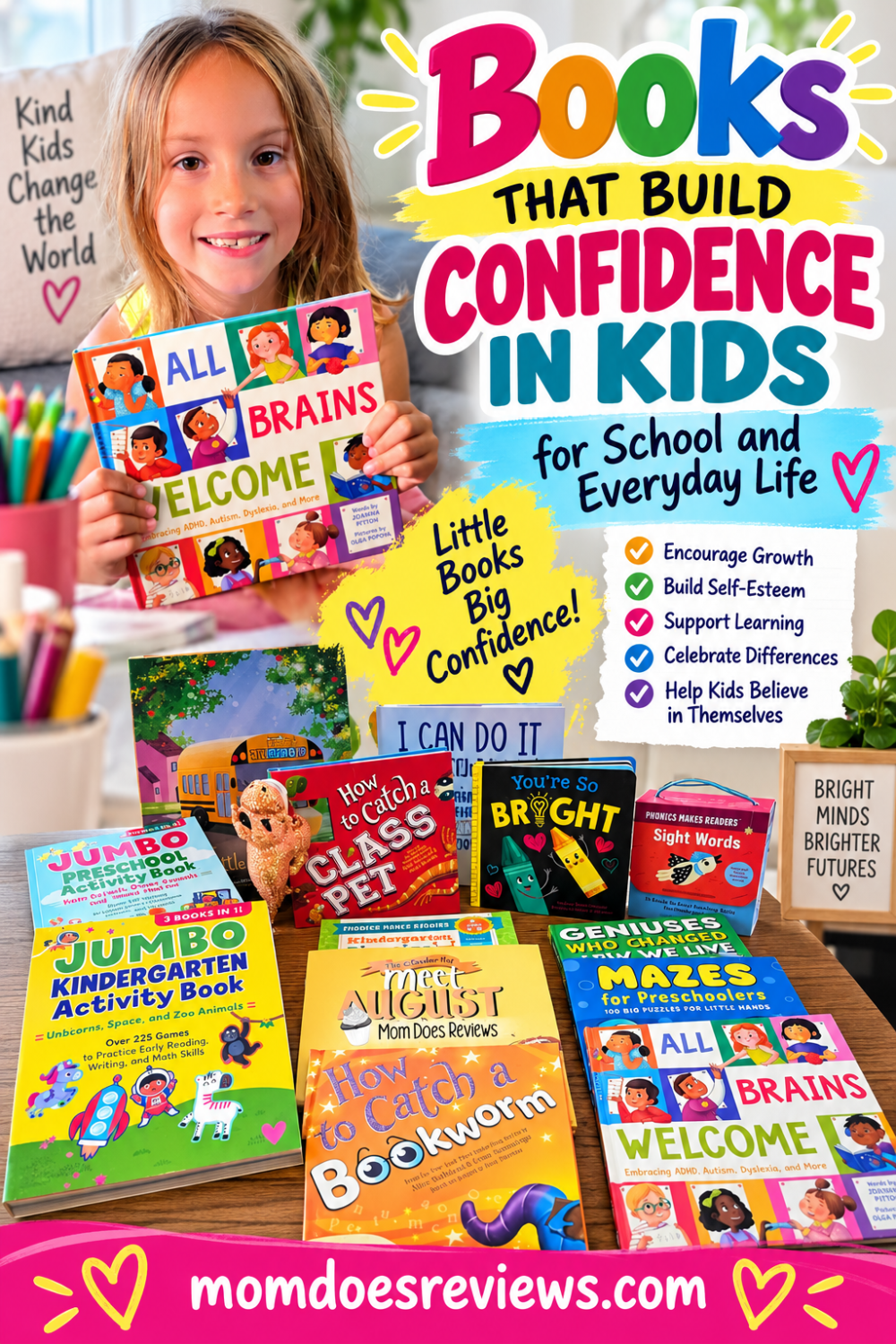
There are so many little moments when our kids need to find their confidence. Sometimes it’s walking into school with a tummy full of butterflies. Other times, it’s sounding out a new word, picking up a pencil, or trying something that feels a little difficult. That’s one reason I like keeping encouraging books within reach. Sometimes a story starts a conversation more naturally than I ever could between errands, dinner, and that laundry pile that somehow never disappears. These books that build confidence in kids approach those growing-up moments from several directions. Some turn early learning into games and activities. Others explore nervous feelings, bravery, school, or the many different ways our brains work.
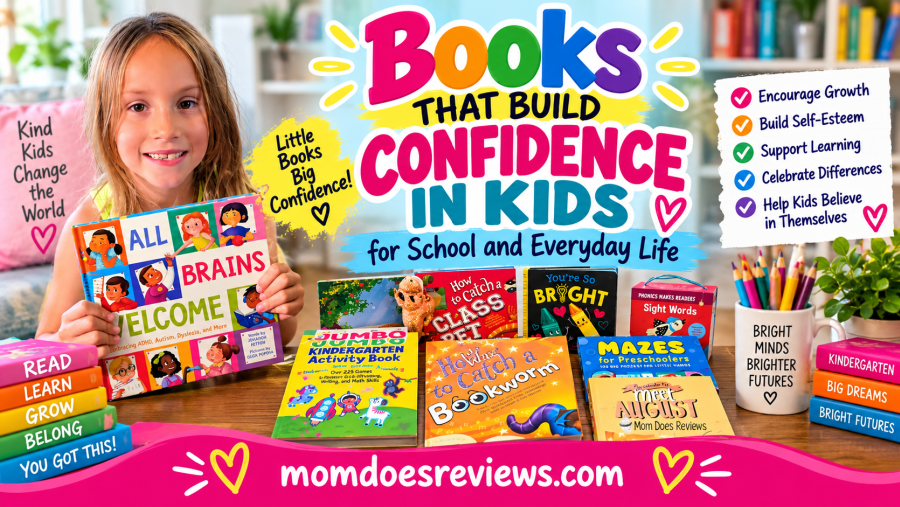
I’m familiar with these books, and my grands have read them all. What I especially like is that there isn’t just one kind of confidence represented here. Kids can practice skills, explore feelings, laugh at a silly story, and discover that being nervous doesn’t mean they can’t take the next step.
Books That Build Confidence in Kids in Different Ways
I think confidence often grows through lots of small experiences. A child works through a maze without help. They recognize a word they’ve been practicing. Or maybe they hear a character describe a feeling they’ve had themselves.
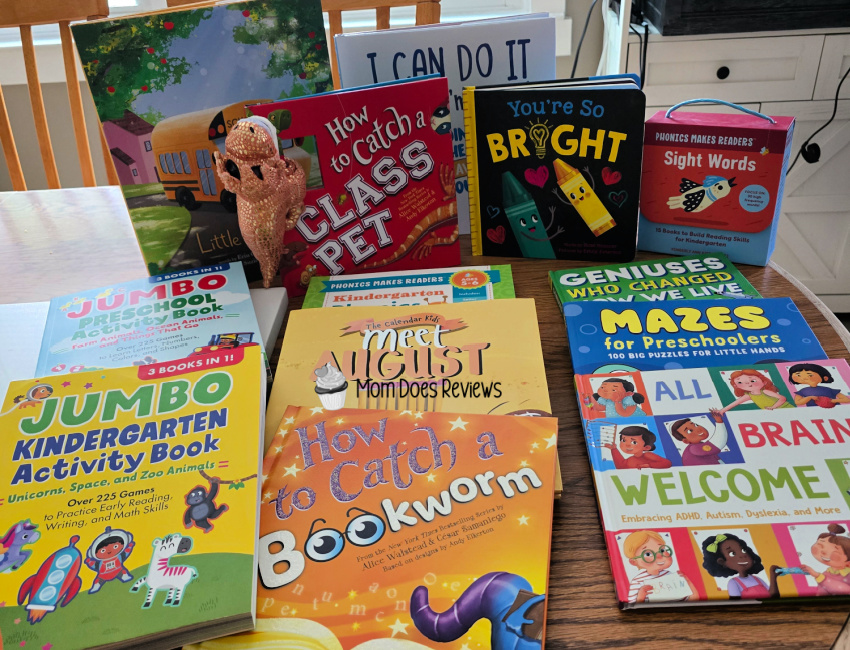
That’s what makes this particular mix of books interesting to me.
There are stories here for first-day jitters and books that encourage conversations about different kinds of brains. There are also hands-on choices for preschool and kindergarten skills. Plus, a few books simply make learning and reading feel fun.
I’ve grouped them according to the moments when I could see a busy family reaching for them. So, rather than thinking of this as a must-read list, I’d use it as a starting point. Look at what your child is working through right now, then see which group feels like the best fit.
When School Is New and Every Brain Is Different
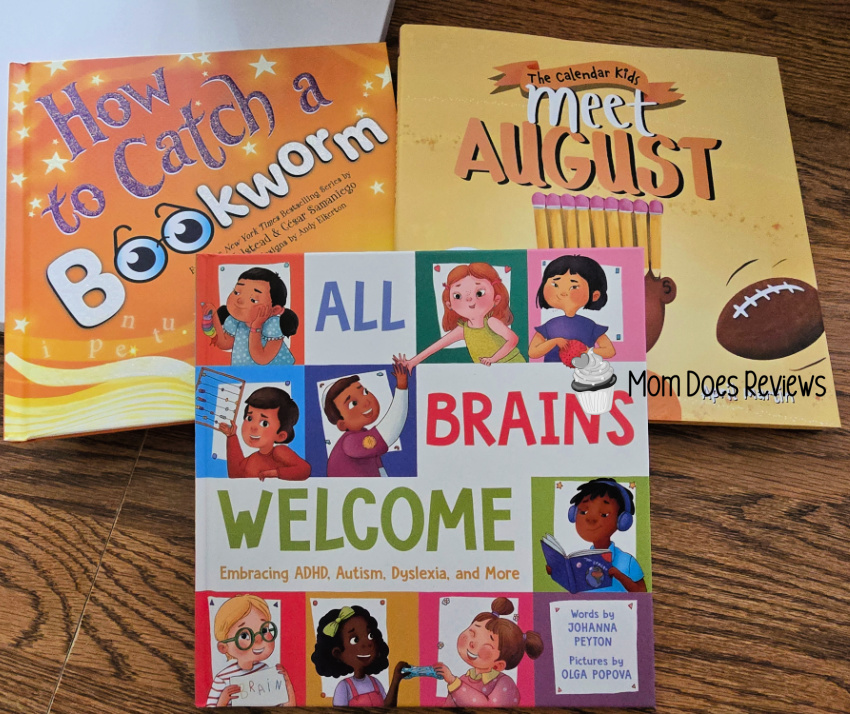
- How to Catch a Bookworm by Alice Walstead, illustrated by Andy Elkerton and César Samaniego
The How to Catch kids have a wonderfully bookish problem on their hands: a squiggly Bookworm has escaped from the local bookstore. Now the Catch Club needs to find the wiggly creature before class begins. The picture book incorporates STEAM concepts into the adventure and is intended for readers ages 4–10. I like having a lighthearted book in this group because not every back-to-school read needs to focus on worries. Sometimes a silly chase and a creature who loves books are just what you want at storytime. - Meet August by April Martin
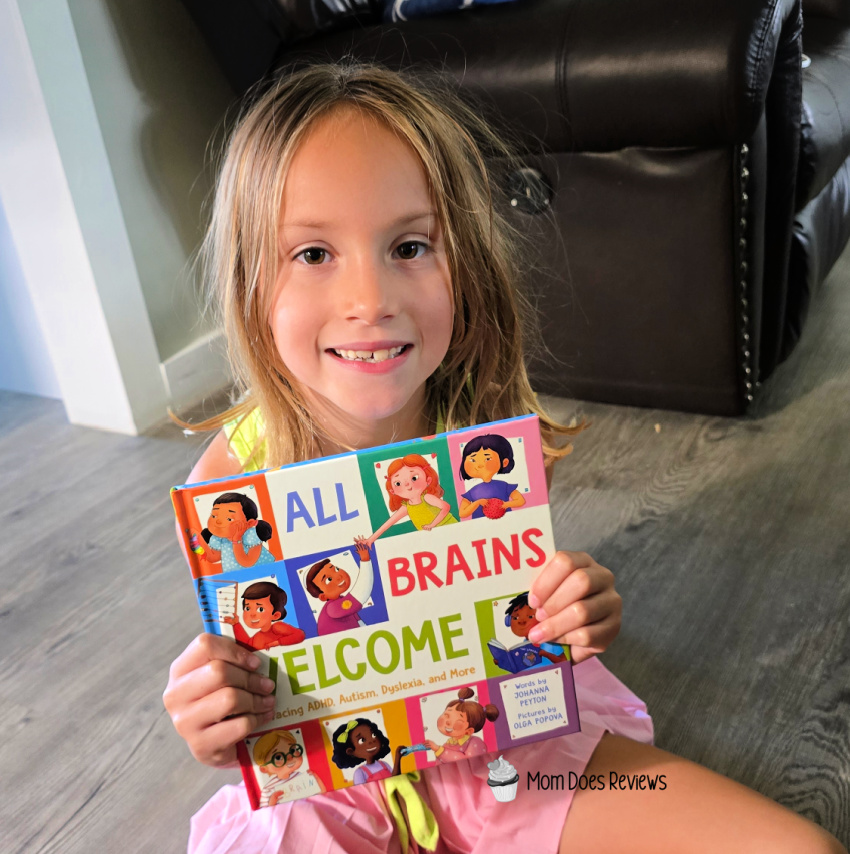
August is preparing for the first day of school. He has new supplies, a backpack, and even a new haircut. Still, he’s nervous. He wonders whether he grew too tall and what his new teacher will be like. Then there’s all that sweating—is it the hot August weather or those first-day nerves? I like how the story leaves room for excitement and worry to happen at the same time. That feels like an easy opening for talking with kids about their own first-day feelings. - All Brains Welcome: Embracing ADHD, Autism, Dyslexia, and More by Johanna Peyton, illustrated by Olga Popova
A class of children throws a “brain party” to celebrate their brains and favorite ways of connecting with one another. The characters speak to readers about how conditions including autism, ADHD, dyslexia, and Down syndrome affect their daily lives. The book also explores different approaches to learning, communication challenges, and respecting others. I appreciate having a book that makes differences part of the conversation. It gives families another way to talk about how people can learn, communicate, and experience everyday life differently.
Hands-On Practice for Growing Skills
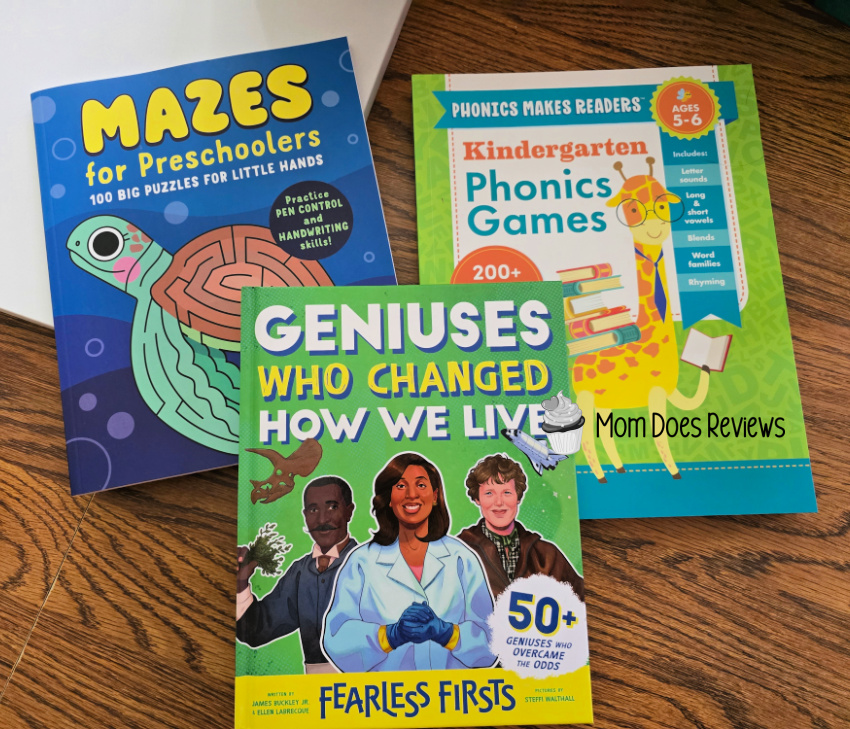
- Mazes for Preschoolers from Callisto Publishing, illustrated by Anna Florsdefum
This activity book contains 100 mazes designed for preschoolers to practice pen control and early writing skills. Kids encounter themes such as dinosaurs, seashells, airplanes, and flowers. The mazes also become slightly more advanced as the book progresses, and there’s an answer key in the back. I could see this being handy when a little one wants something they can work on independently for a while. Plus, mazes give kids a clear little challenge with a beginning, an end, and plenty of twists in between. - Fearless Firsts: Geniuses Who Changed How We Lived by James Buckley Jr. and Ellen Labrecque, illustrated by Steffi Walthall
This book introduces more than 50 people who took risks, overcame obstacles, and contributed to changes in our world. Some names may already be familiar, including George Washington Carver and Amelia Earhart. Others introduce readers to achievements involving dinosaurs, computers, patents, medicine, space, and even the yo-yo. I like this one for kids who enjoy discovering how things happened and who made them happen. It also offers plenty of opportunities to talk about curiosity, problem-solving, and persistence. - Phonics Makes Readers: Kindergarten Phonics Games from Callisto Publishing, illustrated by Robin Boyer
This activity book includes more than 200 phonics games and exercises for kindergarten-level reading practice. Children can trace, match, complete word searches, write, and draw directly on the pages. Activities cover the alphabet, beginning and ending sounds, blends, long and short vowels, and decodable words. I like the variety here. When one type of reading practice isn’t holding a child’s attention, having several different activities gives you other ways to approach the same general goal.
Plenty to Do for Preschool and Kindergarten
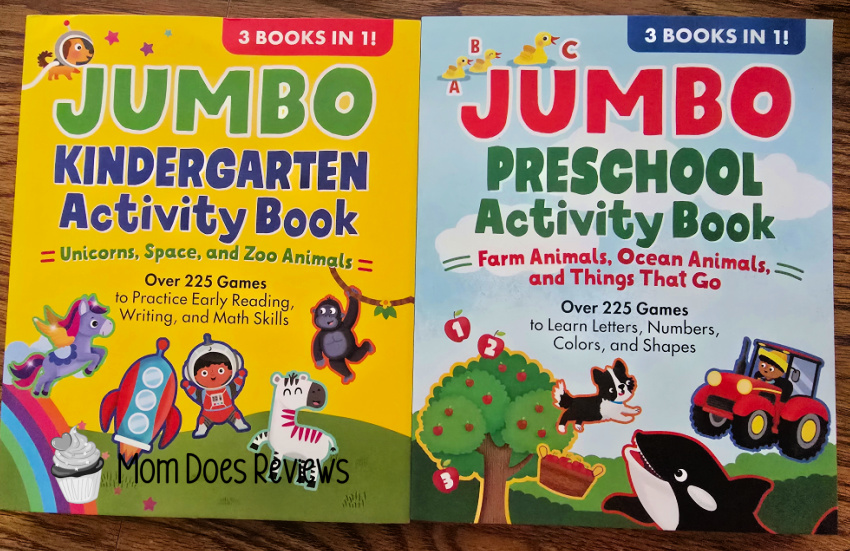
- Jumbo Preschool Activity Book: Farm Animals, Ocean Animals, and Things That Go by Valerie Deneen and Kailan Carr, illustrated by JoAnna Wu
This 3-in-1 preschool activity book has more than 300 pages featuring farm animals, ocean animals, and things that go. Activities include matching, mazes, and line tracing while covering letters, numbers, shapes, colors, patterns, words, and pen control. The pages are perforated, too, so individual activities can be removed. I especially like that practical detail. Instead of putting a huge book on the table, you can choose an activity that fits the moment and let your child concentrate on that. - Jumbo Kindergarten Activity Book: Unicorns, Space, and Zoo Animals by Hilary Statum and Valerie Deneen, illustrated by Lauren Thompson
This 3-in-1 kindergarten book also contains more than 300 pages. This time, unicorns, outer space, zoo animals, and dinosaurs appear alongside tracing, matching, mazes, and other activities. Skills covered include letter sounds, rhyming, blends, vowels, sight words, pen control, skip counting, patterns, comparing, addition, and subtraction. Again, the perforated pages stand out to me as useful for busy families. You can pick something that matches what your child is practicing instead of feeling like you need to tackle the whole book.
Reading Practice With a Little Extra Fun
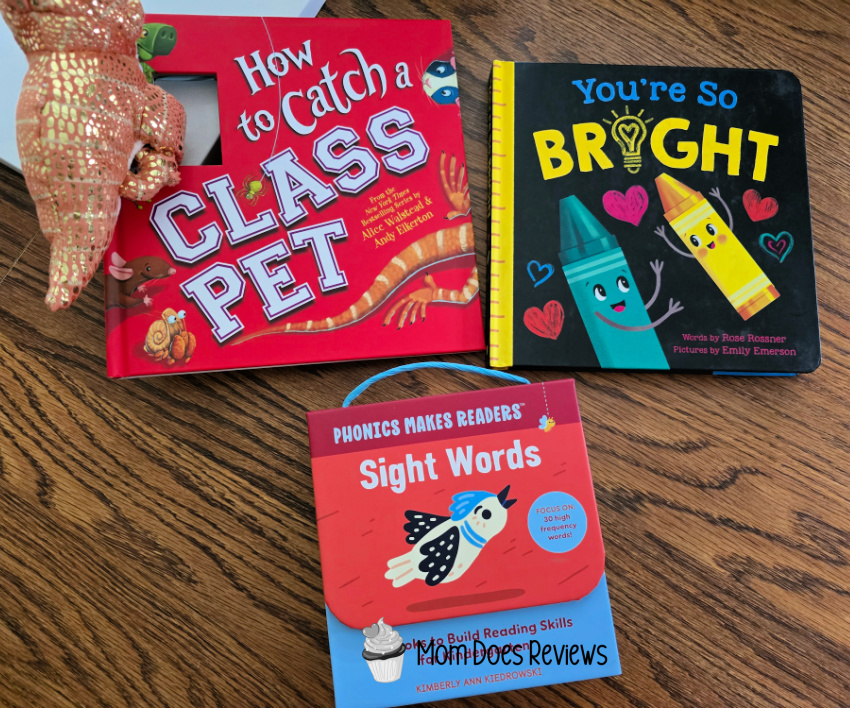
- Snap and Snuggle: How to Catch a Class Pet by Alice Walstead, illustrated by Andy Elkerton
This set combines How to Catch a Class Pet with a plush bearded dragon slap bracelet. In the story, escaped class pets are running loose around the school, and the How to Catch kids set out to catch them. The story includes silly rhymes, traps, and STEAM concepts. I can see the bracelet adding an extra bit of fun, especially for a child who enjoys having something from a story they can hold or wear afterward. - You’re So Bright by Rose Rossner, illustrated by Emily Emerson
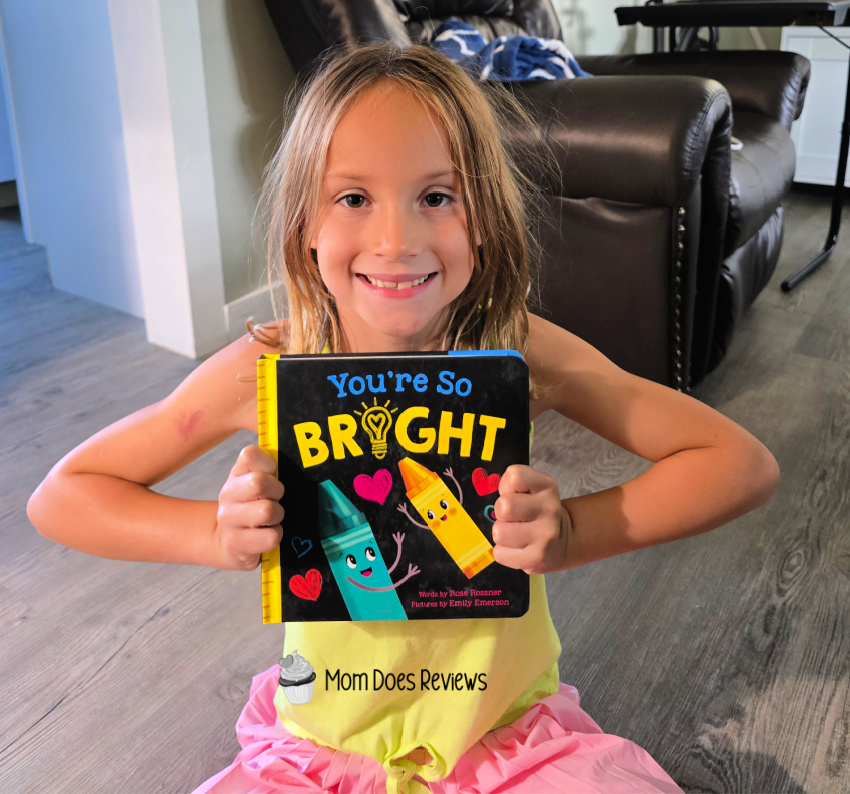
You’re So Bright is a back-to-school self-esteem board book for babies and toddlers. I like including something for the littlest family members in a collection that otherwise leans toward preschool and elementary-age children. Younger kids may not be working through phonics lessons or kindergarten activities yet, but they can still have a book connected to the excitement of school season. It also gives families a simple self-esteem-focused option for younger readers. - Phonics Makes Readers: Sight Words Kindergarten by Kimberly Ann Kiedrowski, illustrated by Claire Keay
This box from the Phonics Makes Readers series contains 15 short stories for pre-K and kindergarten readers. Each story provides practice with two sight words from the Fry list of 100 high-frequency words children should learn by the end of kindergarten. The set also includes a quick guide for parents and a QR code providing access to 30 games and activities. I especially like the short-story format. For a child practicing reading, finishing a whole story can feel much more manageable than facing pages and pages at once.
When Being Brave Still Means Feeling Scared
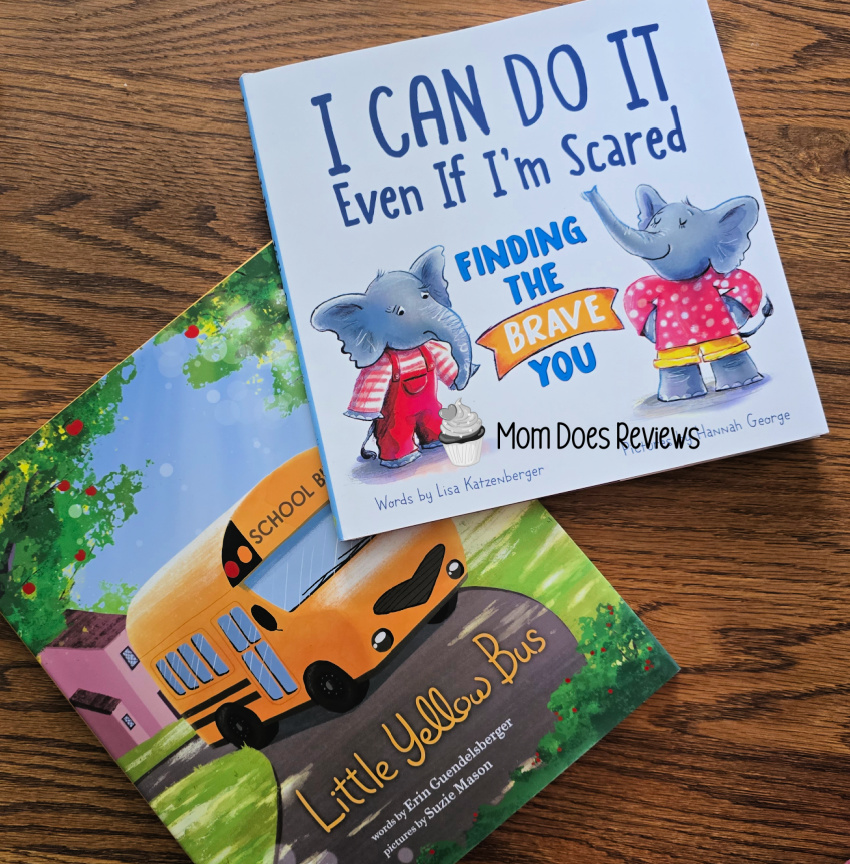
- Little Yellow Bus by Erin Guendelsberger, illustrated by Suzie Mason
Yellow is a little school bus facing the start of a new school year. Excitement gives way to nervous feelings, and Yellow begins learning that courage doesn’t require being fearless. The story is intended for children ages 4–7 and centers on first-day feelings, transitions, and bravery. I really like the idea that kids don’t have to wait until fear disappears before doing something difficult. For a child worried about a new school year, that can lead to a meaningful conversation. - I Can Do It Even If I’m Scared by Lisa Katzenberger, illustrated by Hannah George
Elephant, Cheetah, and Gator know what fear can feel like physically. There are tumbling tummies, hiccupping hearts, and fiddling fingers. The three friends begin by imagining themselves as brave and then work toward becoming that brave version of themselves. The book focuses on feelings, courage, and facing fears. This is one I’d reach for when a child has something specific making them nervous. I like the reminder tucked into the story: feeling scared and moving forward don’t have to be opposites.
Finding the Right Book for What Your Child Needs Right Now
For me, the biggest takeaway from this collection is that there are many ways for kids to practice being capable.
One child might need reassurance before walking into a new classroom. Another may need more time with letter sounds or sight words. Meanwhile, a preschooler might simply want the satisfaction of finding the way through a maze without asking for help.
And some days? A child may just want to laugh about chasing a Bookworm.
That’s why I wouldn’t look at these books that build confidence in kids as a checklist. Instead, think about the particular hurdle your child is facing right now.
Are they nervous about school? Working on early reading? Eager to do more things independently? Learning that other people’s brains may work differently from their own?
Start there.
Then pick a book that matches what your child is working through right now. Read together, talk about it, or put the crayons and pencils on the table and see where an activity takes them.
Sometimes the smallest “I can do this” moment is the one worth celebrating.
You can find Books That Build Confidence in Kids in our Back-to-School Gift Guide 2026