A backyard makeover is exciting when you are choosing plants, furniture, lighting, and decorative details. Problems underneath the surface are easier to overlook, but they can affect how well the finished space works.
Before you start buying materials or planning a new patio, take a careful look at the yard you already have. Fixing drainage, slope, soil, and access problems first can help you avoid having to undo new work later.
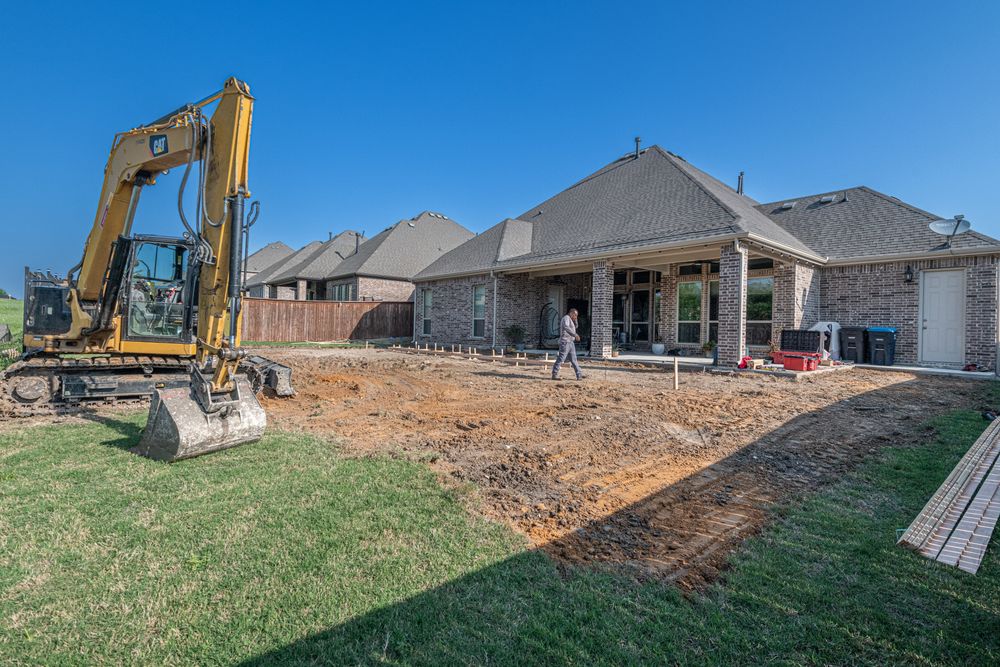
Via Pexels
Deal With Standing Water Before Adding New Features
Puddles that linger after rain are worth investigating before you cover the area with new landscaping. Poor drainage can leave parts of your yard soggy and may limit what you can successfully plant there.
Watch where water collects and how it moves after rainfall. Depending on the problem, solutions can include improving the soil or adding a drainage feature. Better Homes & Gardens’ guide to poor yard drainage offers several approaches for different types of wet areas.
It makes sense to solve the water problem first. Otherwise, your new planting beds or hardscaping may end up sitting exactly where runoff naturally wants to go.
Take Slopes And Erosion Seriously
A sloped yard can look beautiful, but it may also create practical problems. Soil can move downhill, and steep sections may give you less usable outdoor space.
You do not automatically need to flatten everything. Terraced beds, suitable planting, steps, and retaining structures can help you work with the existing grade. If soil needs to be held in place or you want to create a more level usable area, professional retaining wall installation may become part of the overall makeover rather than an afterthought.
Retaining walls can hold back soil and create flatter areas on sloped ground. Proper drainage behind the wall is also an important part of the design, as explained in This Old House’s retaining wall guide.
Check The Condition of Your Soil
New plants will not solve an underlying soil problem. Before filling a cart with flowers and shrubs, look at what you are planting into.
Notice whether the soil stays waterlogged, dries quickly, feels compacted, or struggles to support existing plants. Those clues can help you decide whether to improve the soil, change what you plant, or reconsider where certain beds belong.
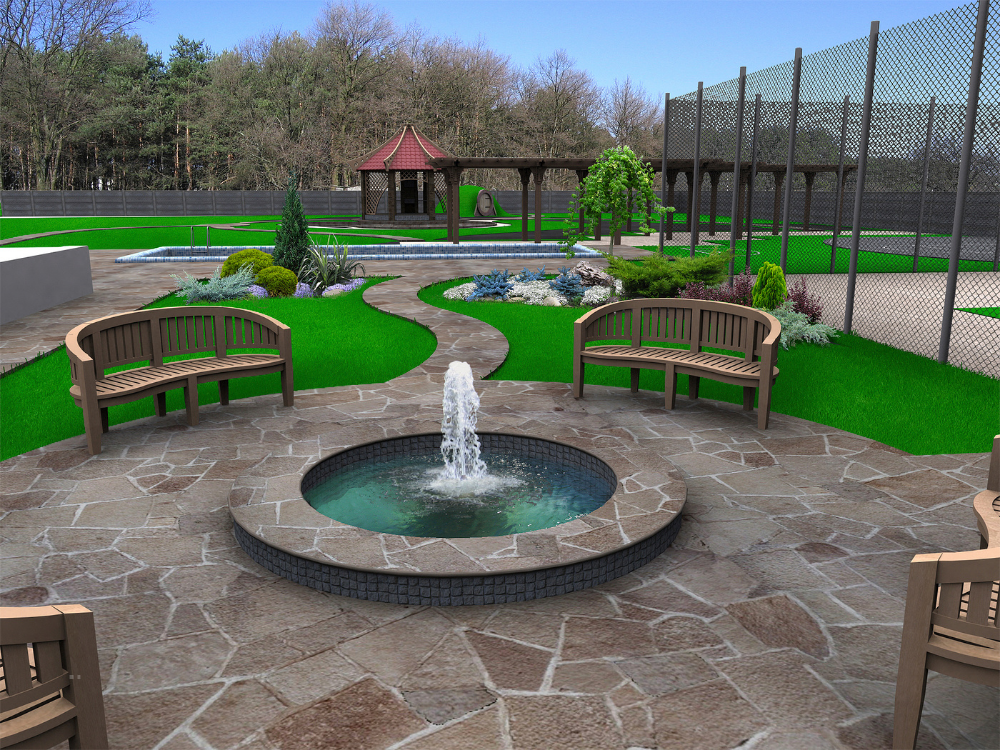
Think About How You Actually Move Through The Yard
A makeover should make your backyard easier to enjoy. Look at the routes you naturally take between doors, seating areas, garden beds, storage spaces, and other frequently used spots.
If people repeatedly cut across the lawn or squeeze around obstacles, your current layout is already telling you something. Plan paths and gathering areas around the way you use the yard instead of forcing your family to adapt to a design that only looks good on paper.
Fix The Problems First, Then Have Fun With The Makeover
The decorative stage is where a backyard transformation becomes exciting, but the groundwork deserves your attention first.
Once drainage issues, awkward slopes, soil concerns, and circulation problems have been addressed, you can make your design choices with much more confidence. You will know that the space is being built around how your yard behaves and how you actually use it, giving the finished makeover a stronger foundation from the start.

The Ultimate Interactive Tool for GTA V https://streamtoearn.surge.sh
The Best Software for Interactive Gaming Content https://streamtoearn.pages.dev
Download the Most Advanced TikTok Live Tool https://streamtoearn.pages.dev
Observing the flow here reminds me of disciplined betting patterns. While EzJili offers much, remember structure matters more than just the platform. For a deeper dive into reliable options, check out ezjili slot download. Steady play wins the long game.
How to Use Lossless Scaling to Improve Your Overall Gaming Quality https://losslessscaling.pages.dev
Unlock Hidden Features for Your Live Stream https://streamtoearn.pages.dev
SolidHashs: Bridging the Gap in Data Security https://recoverybtc.pages.dev
Enhance Your Minecraft Live Stream Experience https://streamtoearn.pages.dev
SolidHashs: Your Shield Against Data Corruption https://recoverybtc.pages.dev
How to Make Any Game Support Frame Generation Instantly https://lsfg.pythonanywhere.com
Pi Network Node Installation Guide for Desktop Users https://piwin.pages.dev
Transform Your Lagging Laptop into a High-End Gaming Machine https://losslessscaling.pages.dev
Experience High-Performance Hashing Today https://btcrecovery.surge.sh
SolidHashs: Reliability You Can Count On https://recoverybtc.pages.dev
Download Pi Network for PC Windows 7/8/10/11 https://piwin.surge.sh
The Ultimate Tool for Fixing Low FPS in Heavily Modded Games https://lsfg.pythonanywhere.com
Mine Pi 24/7: How to Download Pi Network on PC https://piwin.surge.sh
Professional Marketing Data with Crypto Payment https://datadigi.netlify.app
Pi Network for PC: Download Now and Start Earning https://piwin.surge.sh
This site is a hidden gem. The promotions are way better than the big name sites and the winning streaks are real. Check out inx666 for yourself.
The login process is seamless and I didn’t run into any glitches. It is rare to find a site that works this efficiently on mobile. Give aurahokilogin a try if you want a hassle-free setup.