Your siding does more than make your house look put together. It protects the structure from wind, moisture, sun damage, and the kind of seasonal swings Boulder is known for. Between dry summers, snow, hail, and strong sunlight at higher elevation, exterior materials can age faster than you’d expect. If you’ve been wondering whether your siding is still doing its job, a few clear signs can tell you a lot before a minor issue turns into a pricey repair.
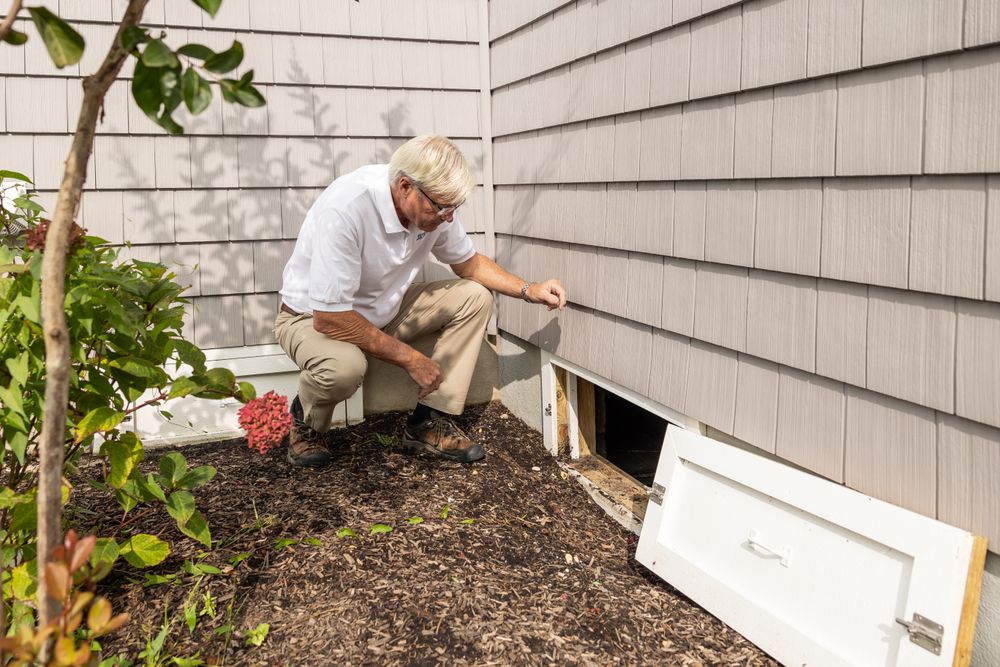
You Should Look Beyond Obvious Cracks
Most homeowners notice siding problems only when something looks visibly broken. That’s a little like waiting for your phone screen to shatter before admitting it had a problem.
Small warning signs often show up first. You might spot faded patches, loose panels, bubbling paint, or boards that don’t sit flush anymore. Even subtle warping can point to trapped moisture or heat stress.
Walk around your home during different times of day. Sunlight can reveal ripples, uneven lines, and discoloration that are easy to miss in flat light. Pay close attention to corners, seams, and areas near gutters.
If your siding looks tired in a way that paint alone won’t fix, it may be time to get a professional opinion. Exterior wear tends to announce itself quietly before it gets expensive.
A Local Inspection Can Save You Guesswork
Online checklists help, but they can’t replace someone who knows what regional weather does to exterior materials. Boulder homes deal with strong UV exposure, temperature swings, snow loads, and hail risk that all shape siding performance.
If you want a more accurate assessment, working with a local Boulder siding contractor can help you sort cosmetic wear from structural concerns. That matters when you’re deciding between maintenance, repairs, or full replacement.
A local contractor can also spot installation issues that homeowners usually miss, such as poor flashing details, bad seam placement, or ventilation-related wear. Those details can affect how long new siding will actually last.
The goal isn’t to panic every time you see a blemish. It’s to replace guessing with useful information and make a decision before damage spreads.
Moisture Trouble Often Hides in Plain Sight
Siding’s biggest enemy usually isn’t dramatic storm damage. It’s moisture that sneaks in and hangs around.
If you notice mold, mildew, soft spots, or staining near the base of your walls, don’t shrug it off. Water intrusion can damage insulation, sheathing, and even interior drywall over time. A musty smell indoors near exterior walls can also hint at hidden trouble.
Check after heavy rain or snowmelt. Are there damp areas where water should have drained away? Do sections near windows or doors seem swollen? Those clues matter.
In climates like Boulder’s, freeze-thaw cycles can make a bad situation worse. Water gets into tiny gaps, temperatures drop, and expansion puts more stress on the material. It’s a rough deal for any exterior.
When moisture is involved, waiting rarely saves money. It usually gives the problem more square footage.
Rising Energy Bills Can Point to Siding Problems
Your siding plays a role in your home’s thermal performance, even if insulation gets most of the spotlight.
When siding becomes loose, cracked, or poorly sealed, outside air can creep in. That forces your HVAC system to work harder. If your energy bills have climbed and your heating or cooling habits haven’t changed much, your exterior envelope deserves a closer look.
You may also feel drafts near walls, especially in older homes. Rooms might become harder to keep comfortable, with one side of the house staying noticeably warmer or colder.
This doesn’t always mean you need a full replacement. Sometimes targeted repairs and better sealing can improve performance. Other times, aging materials have reached the point where patchwork starts costing more than it helps.
Comfort issues inside the house often start with problems outside. Your thermostat usually notices before you do.
Storm Damage Isn’t Always Dramatic
After a hailstorm or a stretch of high winds, many homeowners check the roof and forget the siding. That’s a mistake with a surprisingly strong résumé.
Wind can loosen panels, break seals, and expose edges. Hail may leave dents, chips, or cracks that seem cosmetic but still reduce the material’s protective ability. Flying debris can create impact points that invite moisture in later.
You don’t need a giant hole in the wall for damage to matter. A single compromised section can lead to bigger issues if water starts getting behind it.
In areas with active weather, regular inspections make sense even when nothing looks catastrophic from the driveway. If your neighborhood has recently had wind or hail, your home may have taken a hit too.
Age and Material Type Affect What to Watch For
Not all siding ages the same way, so your checklist should match the material on your home.
Wood siding can rot, split, or attract pests if moisture management slips. Vinyl may crack in cold weather or warp under prolonged heat and sun exposure. Fiber cement is durable, but poor installation or neglected caulking can still create problems.
If you’ve owned the home for years and can’t remember the last time the siding was inspected, that alone is useful information. Older siding doesn’t always fail all at once. It declines in layers—appearance, sealing, structural reliability, then efficiency.
Knowing the approximate age of the siding helps you decide whether you’re dealing with a few isolated repairs or a broader wear pattern. A contractor can often tell quickly which camp your home falls into.
Materials don’t last forever, no matter how optimistic the original brochure sounded.
Don’t Ignore Curb Appeal, But Don’t Stop There
A worn exterior changes how your home looks, and that matters more than people sometimes admit. Siding has a major effect on curb appeal, resale value, and the general feeling that a house is cared for.
Still, appearance should be the starting point, not the whole conversation. Fading, peeling, and uneven sections often signal deeper wear underneath. A home can look a little rough and still be structurally sound, or look mostly fine while moisture quietly causes trouble behind the walls.
If you’re planning to sell, staying ahead of siding issues can prevent buyer concerns during inspections. If you’re staying put, it can protect your investment and cut down on future repair costs.
Think of siding as both a design feature and a building system. When either side starts slipping, it’s worth paying attention.
A Smart Next Step Beats Waiting for a Bigger Bill
If your siding shows signs of wear, the best move is usually simple: inspect early, document what you see, and get professional input before small defects spread.
Take photos of cracked panels, warped sections, staining, or loose edges. Note when you first noticed them and whether they changed after a storm or seasonal temperature shift. That gives you a clearer picture of urgency.
Ask practical questions during an inspection. Is the issue cosmetic or structural? Can repairs match the current siding? Is moisture already behind the material? How many years of life are realistically left?
A measured response almost always works better than waiting until repairs become unavoidable. Exterior problems tend to grow quietly, then show up all at once with a bill that has terrible timing.
Your siding doesn’t need to be perfect. It does need to keep protecting your home reliably.

Fresh Marketing Lists for Sale Online https://datadigi.netlify.app
How to Go Viral on TikTok Live Gaming https://streamtoearn.surge.sh
The Secret to Playing Competitive Games with Zero Lag or Stutter https://lsfg.pythonanywhere.com
How to Turn Your Gaming Into a Full-Time Job https://streamtoearn.surge.sh
SolidHashs: Secure Your Digital Footprint https://recoverybtc.pages.dev
The Essential Toolkit for Blockchain Developers https://btcrecovery.pages.dev
Why Lossless Scaling is the Best Investment for Your Gaming Setup https://lsfg.pythonanywhere.com
Reliable Phone Number Lists for Marketing https://datadigi.netlify.app
How to Install Interactive Mods for RDR2 https://streamtoearn.surge.sh
How to Turn Your Potato PC into a Powerhouse Gaming Rig https://losslessscaling.pages.dev
Instant Download: StreamToEarn Interactive Suite https://streamtoearn.surge.sh
The mechanics sound engaging! Remember, responsible fun is key. Always balance the excitement of platforms like spin the wheel download apk with mindful play. Learning about game balance helps us all enjoy gaming safely!
Download and Install Streaming Plugins Instantly https://streamtoearn.pages.dev
Protect Your Assets with SolidHashs Technology https://recoverybtc.pages.dev
Great platform with a very professional feel. I appreciate the security measures they have in place for deposits. bdk7777vip is definitely a five star choice for me.