Why Regular Maintenance and Garage Door Repair Matter
Your garage door is one of the busiest moving parts of your home, opening and closing thousands of times each year. This constant activity, while essential for daily life, can lead to increased friction, annoying squeaks, and premature wear if not properly maintained. Regular lubrication is a simple yet vital task of garage door repair that ensures your garage door operates smoothly, quietly, and reliably for years to come.
This comprehensive guide will walk you through the correct way to lubricate your garage door’s springs, rollers, and hinges. We’ll explore the best types of lubricants to use, highlight products you should always avoid, detail essential safety precautions, and provide a clear, step-by-step process to keep your entire garage door system in top condition. For more comprehensive garage door repair tips, you might find valuable insights in this resource: Dad & Daughter garage door repair tips. By following these steps, you can significantly extend your garage door’s lifespan and prevent costly repairs.
A well-maintained garage door is more than just a convenience; it’s a critical component of your home’s security, energy efficiency, and overall curb appeal. Neglecting its moving parts can lead to a cascade of problems, ranging from minor annoyances to significant safety hazards and expensive emergency garage door repair. Regular lubrication is a cornerstone of this maintenance, directly impacting the component lifespan, reducing friction, preventing rust, minimizing noise, and easing the strain on your opener motor.
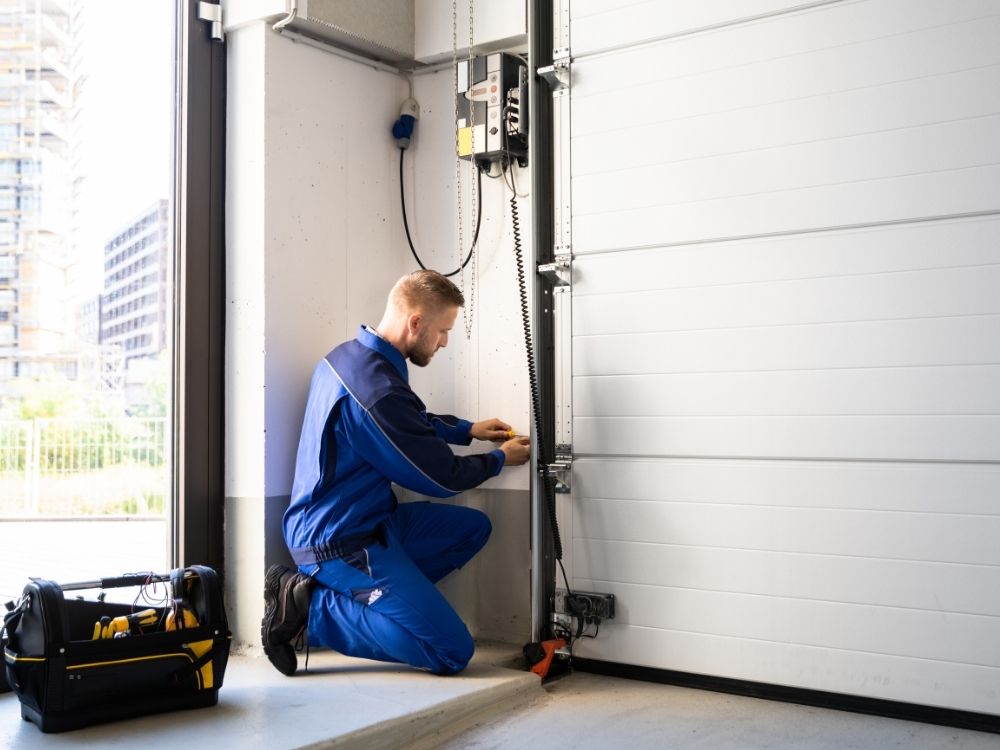
The garage door system is an intricate network of metal parts, all designed to work in harmony. When these parts are deprived of proper lubrication, they begin to grind against each other, creating friction that accelerates wear. This wear can manifest as noisy operation, which is often the first sign that maintenance is overdue. Beyond the sound, friction generates heat and causes metal fatigue, leading to parts weakening and eventually failing.
The Risks of Neglecting System Friction
Ignoring the early warning signs of system friction can quickly escalate into serious issues. Squeaking hardware indicates metal-on-metal contact that is actively wearing down components. Over time, this friction can lead to premature wear of rollers, hinges, and springs, significantly shortening their lifespan. For instance, a lubricated torsion spring can last 15,000-20,000 cycles, while a dry or rusty one typically lasts only 7,000 cycles. This difference can mean years of extended service or an unexpected, costly replacement.
Furthermore, excessive friction can cause track misalignment as worn rollers struggle to move smoothly, potentially bending or damaging the tracks themselves. This creates a dangerous situation where the door could get stuck or even come off its tracks. Neglecting lubrication can lead to emergency garage door repair needs, which are often more expensive and disruptive than routine maintenance.
How Balanced Tension Protects Your Opener
The springs in your garage door system, whether torsion or extension, are responsible for counterbalancing the door’s weight, making it feel light enough for the opener to lift. These springs are under immense tension, even when the door is closed, and their proper function is critical. Regular lubrication helps these springs operate smoothly, reducing internal friction and extending their cycle life.
When springs are dry or rusty, they can’t distribute the door’s weight effectively, forcing the opener motor to work harder. This increased strain can lead to premature motor burnout, significantly shortening the life of your garage door opener. Regular lubrication of rollers, hinges, and springs every 3-6 months prevents the opener motor from overworking due to friction and imbalance.
A crucial aspect of spring maintenance is ensuring the door is properly balanced. An unbalanced door places undue stress on the entire system, especially the opener. We can assess this through a simple balance testing procedure, which we’ll detail later. Adding just one extra turn of tension to a torsion spring, for example, can shorten its life by up to 45%. This highlights the delicate balance required and why professional calibration or careful DIY attention is so important.
Selecting the Right Lubricants vs. Products to Avoid
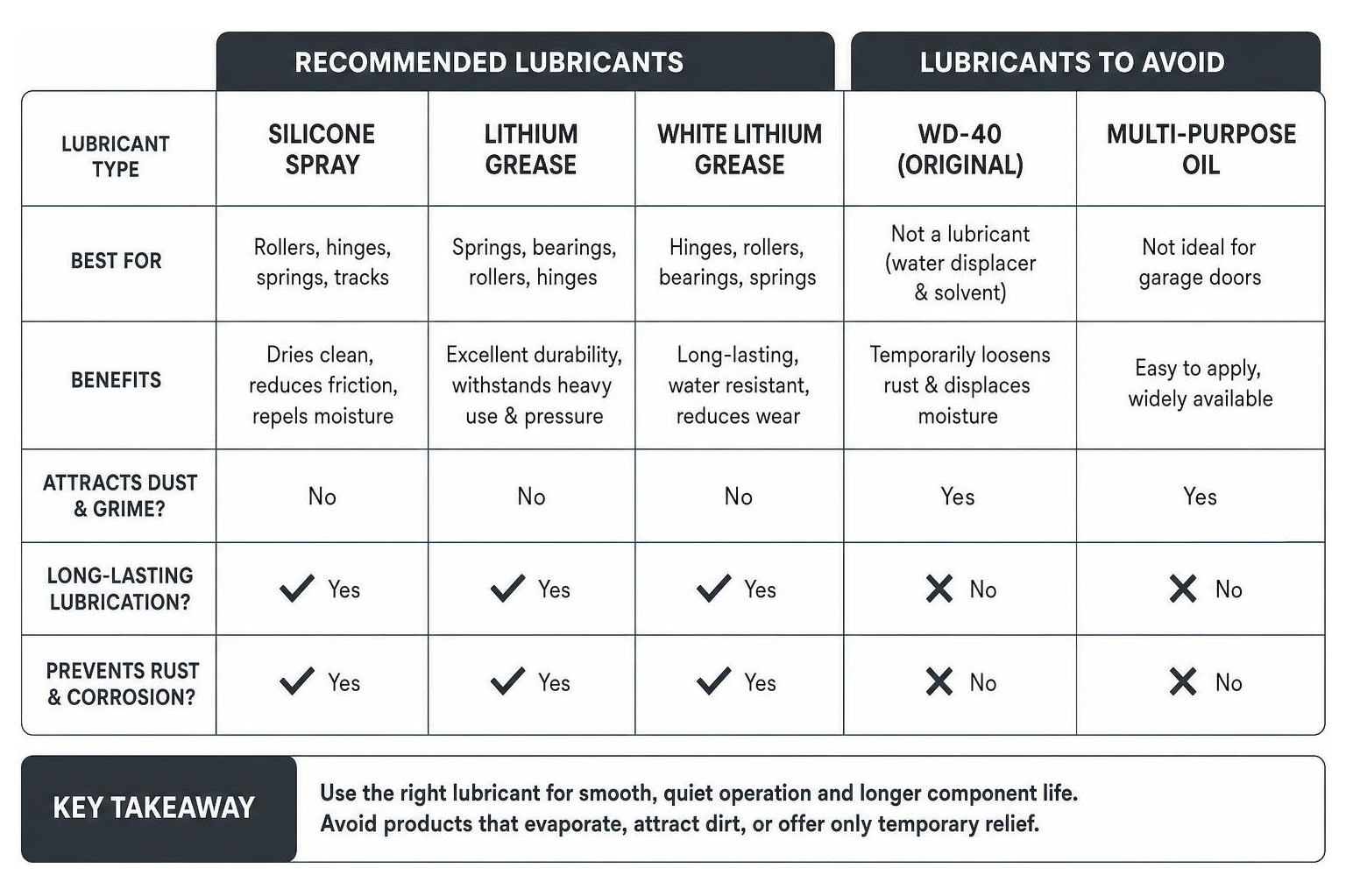
Choosing the correct lubricant is paramount for effective garage door maintenance. Not all lubricants are created equal, and using the wrong product can do more harm than good. Our goal is to reduce friction, prevent rust, and repel moisture without attracting dust and grime.
Why Classic WD-40 is Not a Lubricant
A common misconception is that WD-40 is a suitable lubricant for garage door components. However, the classic blue can of WD-40 is primarily a water displacer and a solvent, not a long-term lubricant. While it might temporarily silence a squeak by cleaning and thinning existing grease, it quickly evaporates, leaving metal parts drier than before.
Using WD-40 can strip existing grease, remove protective coatings, and then leave the components exposed to the elements. Its solvent properties can also attract dust and grime, creating a sticky residue that hinders movement rather than helping it. This accelerated wear can lead to more frequent maintenance and premature component failure. For optimal performance and longevity, always avoid using classic WD-40 on your garage door’s moving parts.
Component-Specific Lubricant Applications
Different garage door components require specific types of lubricants to perform optimally and avoid damage.
- Silicone-based spray: This is an excellent general-purpose lubricant for garage doors. It’s clean, doesn’t attract dust, and works well across a wide range of temperatures (-20°F to 250°F or more). Silicone spray is ideal for quick touch-ups and hard-to-reach spots. It’s particularly good for nylon rollers, as it won’t degrade the plastic material, and for rubber bottom seals where it prevents sticking and cracking without causing degradation. Silicone lubricants also maintain viscosity across wide temperature ranges, making them suitable for various climates.
- White lithium grease: This heavier-duty lubricant is perfect for metal-on-metal contact points that experience high friction. It provides a thicker, more durable protective barrier and is recommended for steel rollers, hinge pivot pins, and bearing plates. White lithium grease also works well on torsion springs along their entire length. While effective, it can attract some dirt, so a light, even coat is essential, and excess should be wiped away. White lithium grease is suitable for weight-bearing springs but attracts dirt, so careful application is key.
- Dry PTFE (Teflon) lubricant: Similar to silicone, dry PTFE lubricants are clean, non-staining, and don’t attract dust. They are excellent for rollers and hinges, providing a slick, low-friction coating.
- Graphite powder: For key cylinders in locks, graphite powder is often preferred over wet lubricants like lithium grease. It’s a dry lubricant that won’t attract grit and dirt into the delicate lock mechanism.
Key takeaway: Always use lubricants specifically designed for garage doors. Silicone-based lubricants and white lithium grease are recommended; WD-40 and oil-based lubricants should be avoided.
Step-by-Step Guide to Preparing and Lubricating Your Door
Proper lubrication starts with preparation. A clean surface ensures the lubricant can penetrate and protect effectively. This process is generally recommended every 3-6 months, depending on usage and environmental factors.
Step 1: Cleaning and Inspecting the Hardware
Before applying any lubricant, it’s crucial to clean the components thoroughly and perform a quick inspection.
- Disconnect Power: Safety first! Close your garage door completely and disconnect the automatic opener from its power source. This prevents accidental operation during maintenance. If your opener has a safety lock, engage it.
- Clean Tracks: Using a clean microfiber cloth, wipe down the inside of the vertical and horizontal tracks. Remove any dirt, dust, spiderwebs, or debris. If there’s stubborn grime or old, sticky lubricant residue, you can use a mild household degreaser or brake cleaner, ensuring the tracks are completely dry afterward. Tracks should never be lubricated as it makes rollers harder to move and attracts dust.
- Clean Components: Wipe down the rollers, hinges, and springs with a clean cloth. Remove any visible dirt or old lubricant buildup.
- Inspect for Wear: While cleaning, inspect all hardware for signs of wear. Look for frayed cables, cracked rollers, bent hinges, or loose bolts. Tighten any loose nuts or bolts on hinges or track brackets. Identify any worn rollers that might need replacement. Nylon rollers, for instance, should not be lubricated on their wheel surface, but their bearings might need attention.
Step 2: Lubricating Springs, Rollers, and Hinges Correctly
With the hardware clean and inspected, it’s time to apply the lubricant. A little goes a long way; over-lubrication can attract dust and grime.
- Lubricate Springs: For torsion springs (the large spring(s) located directly above the door), apply a light, even coat of white lithium grease or silicone spray along their entire length. You can use the straw attachment for precision. Wipe away any drips or excess. For extension springs (located above the horizontal tracks on either side of the door), lubricate the pulleys at the end of the springs. Open and close the door a few times manually to help distribute the lubricant.
- Lubricate Rollers: Focus on the roller bearings (the small ball bearings inside the roller stem, where the roller connects to the hinge). Use a silicone spray or white lithium grease with a straw attachment to apply a small amount directly into the bearings. Avoid spraying the roller wheels themselves, especially if they are nylon, as this can cause them to slide rather than roll smoothly. If you have nylon rollers, only lubricate the stem bearing, not the nylon wheel.
- Lubricate Hinges: Apply a small amount of white lithium grease or silicone spray to the pivot points of each hinge (where the hinge bends). Work the door manually a few times to distribute the lubricant. Wipe off any excess.
- Lubricate Bearing Plates: These are circular moving parts on both sides of the springs. Apply a burst of white lithium grease into the center of each bearing plate.
- Lubricate Opener Drive (if applicable): If you have a chain-drive opener, apply a small amount of white lithium grease or silicone spray along the length of the chain. For screw-drive openers, lightly lubricate the screw rod. Never lubricate a belt-drive opener’s rubber belt.
- Lubricate Lock and Armbar: If your door has a manual lock, spray a small amount of silicone lubricant into the keyhole. Apply white lithium grease to the large armbar at the top of the door if it’s a moving part.
- Wipe Excess: After lubricating, use a clean cloth to wipe away any excess lubricant from all components. This prevents dripping and reduces the chance of attracting dust and dirt.
Where Never to Apply Lubricant
Just as important as knowing where to lubricate is knowing where not to. Applying lubricant to the wrong areas can create new problems or worsen existing ones.
- Tracks: Never lubricate the garage door tracks. Tracks should remain clean and dry. Lubricating them causes rollers to slide rather than roll, leading to uneven movement, increased wear, and the attraction of dust and grime that can impede door operation. Clean tracks with a damp cloth only.
- Roller Wheel Faces: Avoid spraying the actual wheel surface of the rollers, especially nylon rollers. These are designed to roll, and lubricant can make them slip, leading to jerky operation and premature wear. Only lubricate the bearings within the roller stem.
- Safety Sensors: These electronic eyes near the bottom of the tracks should be kept clean and dry. Lubricant can interfere with their function, potentially causing the door to reverse unexpectedly or fail to close.
- Belt-Drive Opener Belts: The rubber belt on belt-drive openers is designed to operate without lubrication. Applying grease or oil can damage the belt material and impair its function.
- Rubber Seals: While silicone spray can be used on the bottom rubber seal to prevent sticking, avoid petroleum-based lubricants or white lithium grease, as these can degrade the rubber over time.
- Over-lubrication: Applying too much lubricant can attract dust and create a sticky buildup, turning your maintenance efforts counterproductive. A light, even coat is always best.
Safety Precautions and Professional Garage Door Repair Indicators
Maintaining a garage door involves working with heavy machinery and components under extreme tension. Safety should always be your top priority.
The Dangers of DIY Spring Adjustments
Garage door springs, particularly torsion springs, are under immense tension. They store thousands of foot-pounds of energy, even when the door is closed. Attempting to adjust, repair, or replace these springs without proper training, specialized tools, and safety equipment can lead to severe injury, including broken bones, lacerations, or even death.
If you suspect an issue with your springs, such as a broken spring, unusual gaps, or the door feeling unusually heavy, it’s crucial to contact a professional garage door repair service. Professionals have the expertise and tools to safely handle these high-tension components. Never attempt to loosen or adjust spring components yourself.
How to Perform a Manual Balance Test
After lubrication, or if you suspect your door is out of balance, performing a manual balance test can help assess the spring tension. This test should only be done after disconnecting the opener’s power.
- Disconnect Opener: With the garage door fully closed, pull the emergency release cord (usually a red handle hanging from the opener trolley). This disengages the door from the opener, allowing you to operate it manually.
- Lift to Waist Height: Carefully lift the garage door manually to about waist height.
- Release and Observe: Gently release the door. A properly balanced door should stay in place at waist height, or move only slightly up or down.
- If the door flies open rapidly, the springs are likely over-tensioned.
- If the door slams shut or falls quickly, the springs are under-tensioned or worn out.
- If the door sags to one side, there might be an issue with one of the springs or cables.
- Reconnect Opener: Once the test is complete, push the door down to close it fully, then re-engage the opener by pulling the emergency release cord towards the opener motor until it clicks. Reconnect the power.
If your door fails the balance test, it indicates an issue with the spring tension that requires professional attention. An unbalanced door forces your opener to work harder, shortening its lifespan and potentially leading to motor burnout. Professional calibration ensures the springs are correctly tensioned for smooth, safe operation.
Frequently Asked Questions about Garage Door Maintenance
How often should I lubricate my garage door components?
The recommended frequency for lubricating your garage door components is generally every 3 to 6 months. However, this can vary based on several factors:
- Usage Patterns: If you use your garage door frequently (e.g., more than four times a day, or if it’s your primary entrance), aim for lubrication every three months. For average use, every six months is usually sufficient.
- Climate Factors: In harsh climates, such as coastal areas with salt air, humid environments, or regions with extreme temperature fluctuations, more frequent lubrication (quarterly) may be necessary to combat rust and maintain performance.
- Component Age: Older doors or components might benefit from more frequent attention.
- Visual and Auditory Cues: Don’t wait for the schedule if you notice squeaking, grinding, sticking, or a struggling opener. These are clear signs that lubrication is immediately needed.
Regular lubrication every 3-6 months can extend the lifespan of springs, rollers, and hinges by reducing friction and preventing premature wear.
Why is my garage door still noisy after proper lubrication?
If you’ve diligently lubricated your garage door components and it’s still noisy, several underlying issues could be at play:
- Worn Rollers: Rollers, especially steel rollers, can wear down over time, developing flat spots or worn-out bearings. Even with lubrication, a physically damaged roller will continue to create noise. Consider switching to nylon rollers, which can significantly dampen sound and often last longer.
- Loose Hinges or Hardware: Over time, nuts and bolts on hinges, track brackets, or other components can loosen. This can cause rattling or grinding noises. Inspect and tighten all visible hardware.
- Spring Imbalance: As discussed, an unbalanced door puts undue stress on the entire system, leading to noise and strain on the opener. If your door fails the manual balance test, the springs need professional adjustment.
- Damaged Tracks: Bent, misaligned, or obstructed tracks can cause rollers to bind and create noise. Clean and inspect your tracks for any damage.
- Opener Issues: Sometimes the noise originates from the opener itself, especially if it’s an older model or has internal issues.
- Worn Cables or Pulleys: Fraying cables or worn pulleys can also contribute to noise.
If noise persists after proper lubrication and inspection, it’s best to consult a professional garage door technician for a thorough diagnosis.
Can I use standard household oil or grease on my garage door?
No, we strongly advise against using standard household oils (like motor oil, cooking oil, or 3-in-One oil) or general-purpose greases on your garage door components. While they might offer temporary relief from squeaks, they are not formulated for the specific demands of a garage door system and can cause more harm than good in the long run:
- Dirt Attraction: Petroleum-based oils and many greases are “wet” lubricants that quickly attract and trap dust, dirt, and grime. This creates a sticky, abrasive paste that actually increases friction and wear, rather than reducing it.
- Sticky Buildup: This buildup can clog moving parts, making them sluggish and putting extra strain on your opener.
- Degradation: Some household lubricants can degrade rubber or plastic components (like nylon rollers or rubber seals) over time.
- Evaporation: Many household oils evaporate relatively quickly, leaving components dry and unprotected, similar to what happens with WD-40.
Always use lubricants specifically designed for garage doors, such as silicone-based sprays or white lithium grease. These products are formulated to provide long-lasting lubrication, repel moisture, and resist attracting contaminants, ensuring your garage door operates smoothly and quietly for years to come.
Conclusion
Regular and correct lubrication is an indispensable part of garage door maintenance, playing a pivotal role in its longevity, quiet operation, and overall safety. By understanding which components to lubricate, selecting the appropriate products, and following a meticulous step-by-step process, you can significantly reduce friction, prevent rust, and extend the lifespan of your entire garage door system.
We’ve highlighted the critical importance of preventative care, emphasizing how it safeguards your home, enhances system longevity, and preserves the value of your investment. Remember the dangers of high-tension springs and the necessity of professional intervention for complex repairs or adjustments. While DIY lubrication is an accessible and beneficial task, recognizing the indicators for professional garage door repair ensures that your door remains a reliable and safe entry point to your home. By committing to this routine maintenance, you’re not just silencing a squeak; you’re securing your home and ensuring peace of mind for years to come.
