The Strategic Hierarchy of Home Maintenance and Upgrades
Understanding the hierarchy of home maintenance and upgrades is crucial for protecting your investment. Many homeowners are tempted to jump straight into cosmetic improvements, but a strategic approach prioritizes structural integrity and essential systems first. This “maintenance-before-aesthetics” philosophy not only safeguards your home but also maximizes your return on investment (ROI) if you ever decide to sell.
Appraisers, for instance, are less concerned with your designer wallpaper and more with the condition of your foundation, roof, and HVAC system. They assess “buyer risk,” meaning any deferred maintenance or structural issues will significantly devalue your property, regardless of how beautiful your kitchen looks. Addressing these fundamental elements first is paramount.
When planning any renovation, consider the “30% rule,” which suggests that no single renovation project should exceed 30% of your home’s current market value. Exceeding this threshold can lead to over-improving for your neighborhood, resulting in diminishing returns on your investment. For instance, a $60,000 kitchen in a $300,000 home might only recoup a fraction of its cost if the home’s underlying systems are failing.
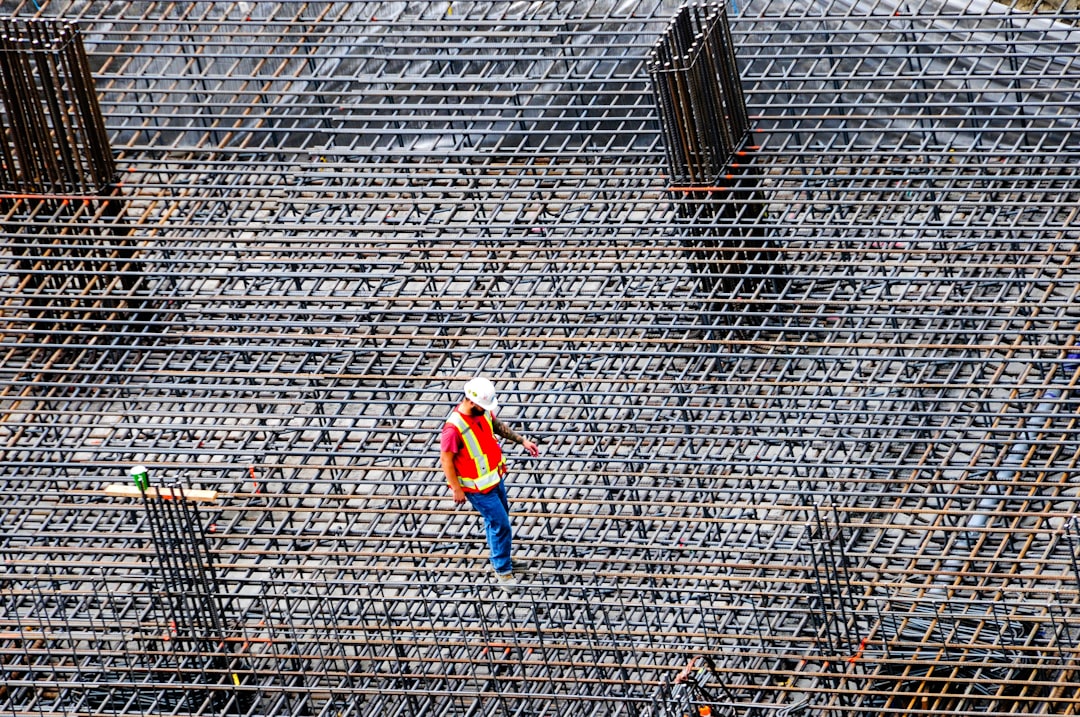
The core principle of strategic home maintenance is to ensure your home’s “bones” are sound. This means addressing the foundation, framing, load-bearing walls, and the building envelope (roof, siding, windows, doors) before any aesthetic changes. Water, in particular, is the most destructive force for homes. Ensuring proper water management and a robust building envelope is critical to preventing costly issues like mold, rot, and structural damage.
For instance, a failing roof can lead to water infiltration, damaging insulation, drywall, and even electrical systems. Neglecting this for two years can significantly increase risks and repair costs. Similarly, issues with your home’s foundation can compromise the entire structure, leading to cracks, uneven floors, and major expenses. Investing in high-quality, certified roofing services from reputable providers like Big River Roofs is a prime example of prioritizing essential systems that protect your home from the elements and maintain its structural integrity.
The Financial Impact of Deferred Maintenance
The cost of delaying necessary repairs often outweighs the initial investment. Deferred maintenance can lead to significant property depreciation, with appraisers penalizing homes with visible signs of neglect. A home with an 18-year-old HVAC system, for example, might see its sale price reduced by $20,000, even if it boasts a brand-new kitchen.
Beyond immediate devaluation, neglected issues tend to escalate. A small leak can become a major water damage problem, and an unserviced HVAC system can fail prematurely, requiring a full replacement rather than a simple repair. These unexpected, large-scale repairs can be financially crippling. Furthermore, improvements add to your home’s cost basis, which can reduce capital gains taxes when you eventually sell. By proactively maintaining and upgrading, you’re not just preserving your home; you’re making a smart financial investment.
Essential Roof and Exterior Upgrades for Maximum ROI
When it comes to home improvements that deliver the highest return on investment, exterior projects consistently rank at the top. These upgrades create crucial first impressions, significantly influencing buyer perception and perceived value.
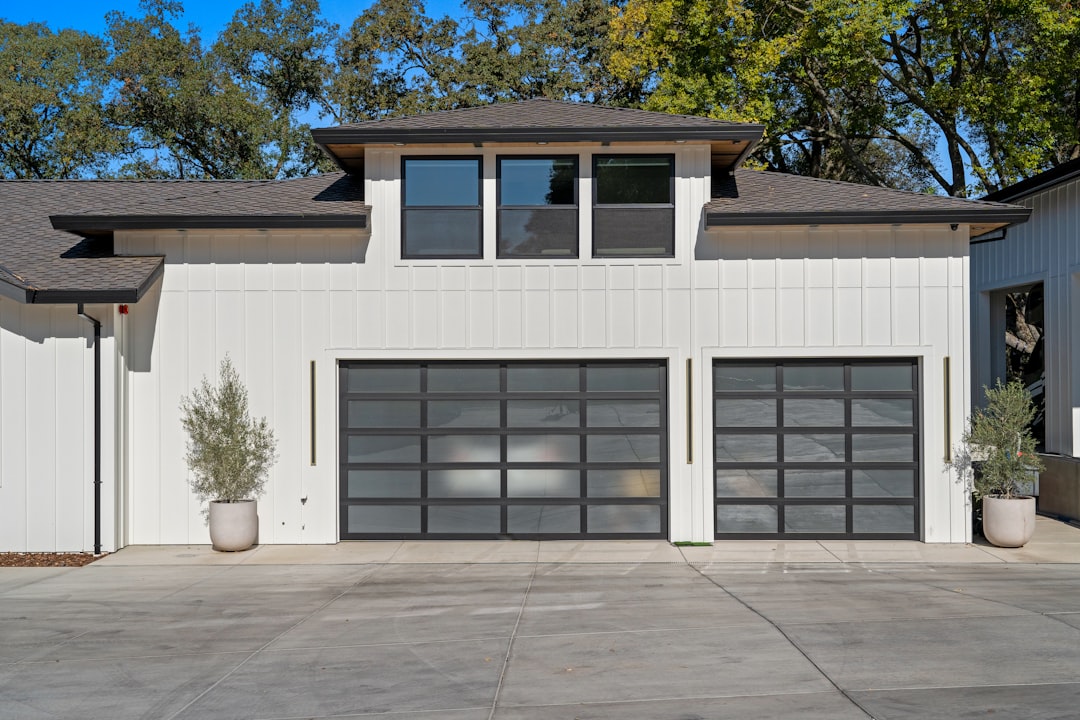
One standout example is garage door replacement. Data from recent years consistently shows garage door replacement as the top ROI project nationally, returning an average of 194% on a roughly $4,500 investment. This single upgrade can dramatically enhance curb appeal and modernize the home’s facade. Manufactured stone veneer also offers an impressive ROI, averaging 153% on an investment of around $10,000–$11,000. Other high-value exterior projects include steel entry door replacement (188% ROI) and basic landscaping refreshes, which can increase perceived home value by 5–12% at costs between $500 and $3,000.
Why Exterior Home Maintenance and Upgrades Outperform Interior Remodels
The reason exterior projects often outperform major interior renovations in terms of ROI lies in several key factors:
- First Impressions: Buyers form opinions within seconds of seeing a home. A well-maintained exterior, a modern garage door, and attractive landscaping create an immediate positive emotional response, making the home more appealing.
- Curb Appeal: The exterior accounts for a significant portion of a home’s visual impact. Upgrades here signal to potential buyers that the home has been well-cared for, setting a positive tone before they even step inside.
- Diminishing Returns: Major interior remodels, especially kitchens and bathrooms, can quickly become expensive. While they offer enjoyment for the homeowner, the principle of diminishing returns means that over-improving beyond neighborhood comparables can lead to recouping only a fraction of the cost upon sale. For example, a minor kitchen remodel may recoup 96% of its investment, but a major, upscale renovation might only return 38%.
- Buyer Perception: Buyers often prefer a move-in ready exterior with a solid foundation, allowing them to personalize interior spaces without immediately facing large, unexpected repair costs.
Protecting the Envelope with Certified Exterior Upgrades
The “building envelope” refers to the physical separator between the interior and exterior of a building, encompassing the roof, walls, windows, and doors. Protecting this envelope is paramount for energy efficiency, comfort, and structural integrity.
Roof Replacement: A failing roof is a major red flag for appraisers and buyers. While a new roof might not always offer a dollar-for-dollar ROI (averaging 60-68% recovered), a bad roof can reduce a home’s sale price by $10,000–$20,000. Asphalt shingles, the most common roofing material, typically last 20-30 years. Regular inspections are vital, especially after severe weather. Ensuring proper attic ventilation is also crucial, as it helps regulate temperature, prevents moisture buildup, and extends the lifespan of your roof.
Gutter Systems and Downspout Extensions: These seemingly minor components play a critical role in water management. Clogged or damaged gutters can lead to water pooling around the foundation, causing basement leaks, foundation damage, and landscaping erosion. Inspecting gutters monthly, especially in the fall, and ensuring downspout extensions direct water away from the house are simple, inexpensive tasks that prevent major problems. Professional gutter service is recommended if you notice sagging, rust, or consistent overflow.
Proactive Plumbing Care and System Modernization
Plumbing issues can quickly escalate from minor annoyances to catastrophic water damage, making proactive care and strategic upgrades essential. Water leaks, whether visible or hidden, can cause mold, structural damage, and significant repair bills. Regular inspections and timely interventions are key to maintaining a healthy and functional home.
Monthly Plumbing Inspections to Prevent Costly Water Damage
We recommend a monthly routine to catch potential plumbing problems early:
- Pipe Discoloration, Cracks, or Rust: Visually inspect exposed pipes under sinks, in utility rooms, and in the basement. Any signs of discoloration, cracking, or rust buildup could indicate a leak or impending failure.
- Running Toilets: A constantly running toilet wastes water and can signal an issue with the flapper or fill valve. This is often an easy and inexpensive fix.
- Grout and Caulking Inspection: In bathrooms, inspect the grout and caulking around tubs, showers, and sinks. Cracks or deterioration can allow water to seep behind walls or under floors, leading to mold and rot. Re-caulking is a simple DIY task that prevents significant damage.
- Pressure Valves: Check your water heater’s pressure relief valve for any signs of dripping or corrosion.
- Leak Detection: Keep an eye out for damp spots on walls, ceilings, or floors, which could indicate hidden leaks. For comprehensive peace of mind, consider consulting reliable home plumbing professionals who can perform thorough inspections and address any concerns.
Long-Term Plumbing Upgrades That Add Value
Beyond routine maintenance, certain plumbing upgrades can significantly enhance your home’s value, efficiency, and safety:
- Water Heater Maintenance and Replacement: Most water heaters have a lifespan of about 10 years. Draining your hot water heater annually helps remove sediment buildup, improving efficiency and extending its life. If your unit is older or showing signs of frequent issues, consider replacement. Modern tankless water heaters offer energy savings and endless hot water, adding significant appeal.
- Sump Pump Testing and Backup Systems: If your home has a basement or crawl space, testing your sump pump annually (especially before spring thaw) is critical. Consider installing a battery-backup system or a water alarm to prevent catastrophic flooding during power outages or pump failures.
- Septic Tank Service: For homes with septic systems, regular cleaning every 2-3 years (on average, depending on household size) is vital to prevent costly backups and system failures.
- Sewer Line Scoping: If you live in an older home or suspect sewer line issues (e.g., slow drains, recurring clogs), a professional sewer line scope can identify problems like root intrusion or cracks before they lead to major excavation and repair.
- Fixture Replacement: Updating old, inefficient toilets, faucets, and showerheads with low-flow, modern alternatives can reduce water consumption and improve aesthetics. Smart leak detectors, which can alert you to leaks via your smartphone, offer an added layer of protection against water damage.
Strategic HVAC Upgrades for Energy Efficiency and Comfort
Your home’s Heating, Ventilation, and Air Conditioning (HVAC) system is crucial for comfort, indoor air quality, and energy efficiency. Strategic HVAC maintenance and upgrades not only keep your family comfortable but also significantly impact your utility bills and home value.
Regular maintenance, such as replacing dirty HVAC filters during colder months, improves indoor air quality and efficiency. A professional HVAC inspection and service once a year is recommended to ensure optimal performance, prevent breakdowns, and maintain warranty coverage. This proactive approach is part of ensuring Healthier indoor upgrades that benefit your family’s well-being and your home’s operational efficiency.
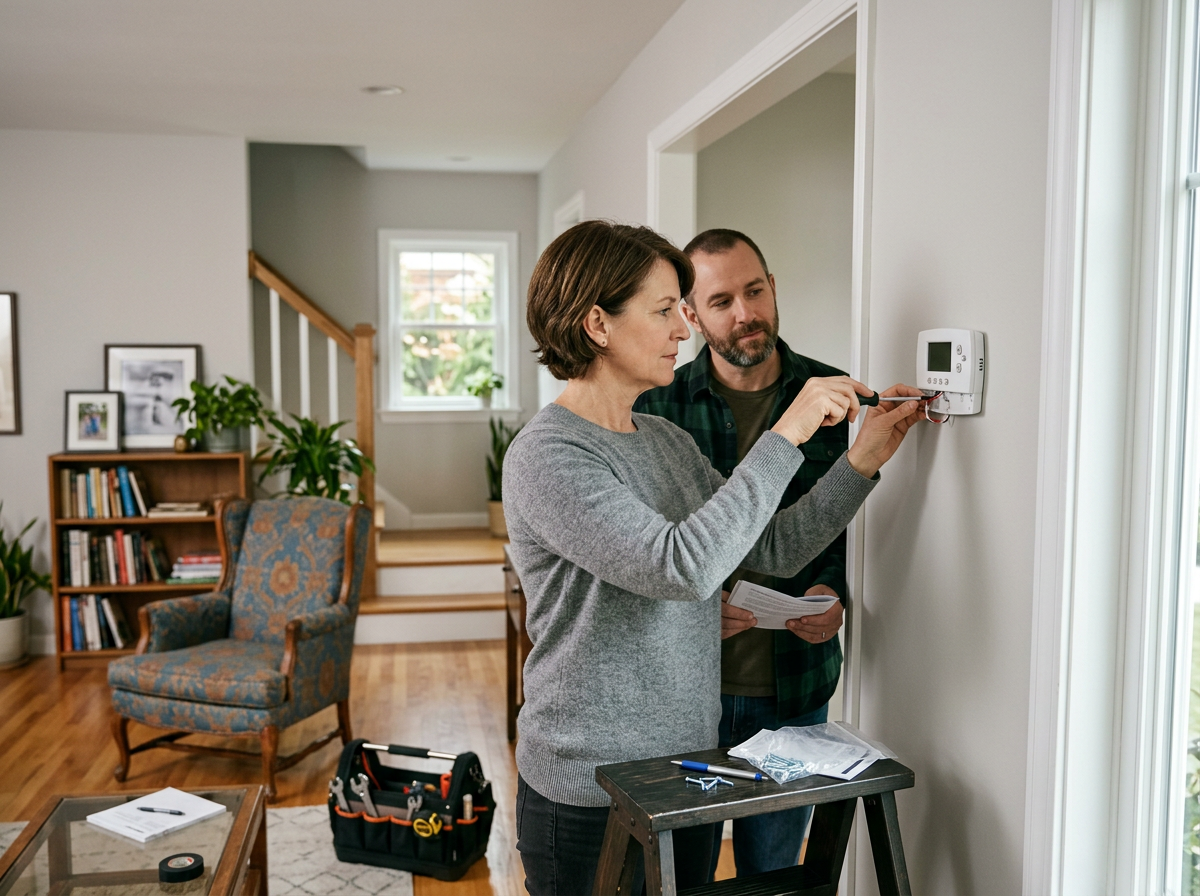
Deciding Between HVAC Repair and Replacement
One of the most common dilemmas homeowners face is whether to repair an aging HVAC system or replace it entirely. Here are factors to consider:
- System Lifespan: Most AC units and furnaces have a lifespan of 10-15 years. If your system is approaching or exceeding this age, replacement often becomes more cost-effective than continuous repairs. Heat pumps typically lose efficiency after 10 years.
- Repair-to-Replacement Cost Ratios: If repair costs exceed 30-40% of the cost of a new unit, it’s generally more economical to replace. Frequent breakdowns are a strong indicator that your system is nearing the end of its life.
- Heating/Cooling Load Capacity: An older system might struggle to adequately heat or cool your home, leading to uncomfortable temperatures and higher energy consumption. Professional HVAC technicians can assess your home’s heating and cooling load to recommend the appropriately sized and most efficient system.
- Utility Bill Spikes: Noticeable increases in your energy bills, without a corresponding change in usage, often signal a decline in your HVAC system’s efficiency. Modern units boast significantly higher SEER (Seasonal Energy Efficiency Ratio) ratings, translating to substantial energy savings.
Modern Heating and Cooling Technologies
Upgrading to modern HVAC technologies offers numerous benefits:
- High-Efficiency AC Units and Furnaces: Newer models are designed to be much more energy-efficient, reducing your carbon footprint and saving you money on utility bills. When replacing an AC unit, consider replacing the ductwork as well. New ductwork can increase the efficiency of a new AC unit by 15-20%, as mismatched ductwork can cause inefficiency.
- Heat Pumps: These versatile systems provide both heating and cooling, offering an energy-efficient alternative to traditional furnaces and air conditioners, especially in moderate climates.
- Ductless Mini-Splits: Ideal for additions, zoned heating/cooling, or homes without existing ductwork, mini-splits offer flexible and efficient climate control for individual rooms or areas.
- Smart Thermostats: These devices learn your preferences, optimize temperature settings, and can be controlled remotely via smartphone, further enhancing energy savings and convenience.
- Ductwork Integrity: Beyond the main unit, inspecting and sealing your ductwork can prevent significant energy loss. Leaky ducts can reduce system efficiency by 20-30%.
Creating a Long-Term Maintenance and Renovation Timeline
A comprehensive, long-term maintenance and renovation timeline is your roadmap to preserving home value, preventing costly surprises, and strategically planning upgrades. This approach transforms homeownership from a series of reactive fixes into a proactive, manageable process.
We recommend budgeting 1-3% of your home’s purchase price annually for maintenance and repairs, with older homes or those considering renovations leaning towards the higher end of that range. For example, a $400,000 home in July 2026 should ideally have an annual maintenance budget of $4,000 to $12,000.
Your Seasonal Home Maintenance and Upgrades Calendar
Breaking down tasks by season ensures nothing is overlooked:
- Winter: Focus on preventing cold-weather damage. Watch for ice dams on the roof and ensure proper attic ventilation. Winterize outdoor faucets and sprinkler systems to prevent frozen pipes. Test smoke and carbon monoxide detectors, replacing batteries every six months (e.g., with Daylight Savings Time changes). Check for drafts around windows and doors, sealing any gaps to improve energy efficiency.
- Spring: Prepare for warmer weather. Schedule your annual HVAC tune-up to ensure your AC unit is ready for summer. Test your sump pump before spring thaws. Inspect your roof for any winter damage and clean gutters. Check exterior paint and siding for wear and tear.
- Summer: Address exterior maintenance. Clean and seal your deck every 2-3 years. Maintain your lawn equipment and address any landscaping needs. Inspect for pests. Clean your dishwasher and replace refrigerator water filters.
- Fall: Prepare for cooler temperatures. Clean gutters thoroughly, especially if you have mature trees. Schedule your furnace tune-up. Drain your hot water heater to remove sediment. Winterize outdoor faucets. Inspect your fireplace and chimney before the first fire of the season.
Smart Budgeting and Project Sequencing
When planning renovations, smart budgeting and sequencing are critical to financial success:
- Contingency Funds: Always set aside 10-20% of your total budget for unforeseen conditions or unexpected issues that may arise during a project. This helps prevent budget overruns and stress.
- Project Bundling: Consider bundling 2-3 projects together. This can save 15-30% compared to doing them individually due to single mobilization fees, trade-stacking efficiency, and bulk material discounts. For instance, combining window replacement with siding work can be more cost-effective.
- Building Permits: Always pull permits for any work touching the structure, electrical, plumbing, mechanical, or egress. Skipping permits can lead to fines, difficulties selling your home, and voided insurance.
- Contractor Vetting: Hire licensed and insured professionals. Ask for references, review their portfolios, and obtain line-item bids rather than lump-sum quotes.
- Milestone Payments and Lien Waivers: Structure payments to contractors based on completed milestones and passed inspections. Always collect lien waivers from every subcontractor and supplier before making final payments to protect yourself from future claims.
- Avoiding Over-Customization: While personalizing your home is enjoyable, over-customizing with niche tastes can reduce ROI, especially if you plan to sell within a few years. Neutral, broadly appealing finishes tend to have a higher resale value.
Frequently Asked Questions About Home Maintenance and Upgrades
We often hear similar questions from homeowners navigating the complexities of maintaining and upgrading their properties. Here are some of the most common queries, answered with insights to help you make informed decisions.
What monthly home maintenance tasks prevent the most expensive repairs?
Proactive, consistent monthly tasks are your first line of defense against costly future repairs. We recommend focusing on:
- Smoke and Carbon Monoxide Detectors: Test these devices monthly and replace batteries every six months. This is a critical safety measure.
- HVAC Filters: Check and replace dirty HVAC filters monthly, especially during peak heating or cooling seasons. This improves air quality, system efficiency, and extends the life of your unit.
- Leak Checks: Visually inspect under sinks, around toilets, and near appliances for any signs of leaks or moisture. Catching a small drip early can prevent significant water damage and mold.
- GFCI Testing: Trip and reset all Ground Fault Circuit Interrupter (GFCI) outlets monthly to ensure they are functioning correctly, protecting against electrical shocks.
- Gutter Inspections: Briefly check gutters for clogs, especially if you have trees nearby. Clearing debris prevents water overflow and potential foundation damage.
How does a minor kitchen remodel compare to a major renovation in terms of ROI?
The data consistently shows that minor kitchen remodels offer a significantly higher ROI than major, upscale renovations.
- Minor Kitchen Remodel: A midrange minor kitchen remodel, costing approximately $20,000–$28,000 (in July 2026), typically recoups around 96% of its investment. These projects focus on updating surfaces, such as cabinet refacing, new countertops (like popular quartz), modern stainless steel appliances, and fresh paint. They provide a refreshed look without the expense of reconfiguring the layout or moving plumbing/electrical.
- Major Gut Renovation: A major kitchen remodel, involving reconfiguring the layout, custom cabinetry, high-end appliances, and structural changes, can cost upwards of $60,000–$95,000. These projects often yield a much lower ROI, sometimes as little as 38-54% of the cost recovered. The principle of diminishing returns is very evident here; buyers are rarely willing to pay a premium for ultra-luxury features that exceed neighborhood standards.
For maximizing resale value, we advise focusing on minor, strategic updates that appeal to a broad range of buyers.
How much should homeowners budget annually for ongoing maintenance and repairs?
A commonly cited rule of thumb is to budget 1-3% of your home’s purchase price annually for maintenance and repairs.
- Example: For a home purchased at $400,000, this would mean setting aside $4,000 to $12,000 each year.
- Factors to Consider: Age of Home: Older homes generally require more maintenance and repairs, so budgeting closer to 3% is wise.
- System Lifespans: Consider the age and condition of major systems like HVAC, roofing, and plumbing. If several are approaching the end of their lifespan, you’ll need a larger budget for potential replacements.
- Emergency Reserves: Beyond the annual budget, it’s prudent to have an emergency fund specifically for unexpected, large-scale repairs.
- Maintenance Forecasting: Creating a long-term timeline (as discussed above) helps you anticipate major expenses and save accordingly, rather than being caught off guard.
This budget helps cover everything from routine tasks like gutter cleaning and HVAC servicing to unexpected appliance failures or minor repairs, preventing small issues from becoming major financial burdens.
Conclusion
Homeownership is a journey of continuous care and strategic investment. By embracing a proactive approach to home maintenance and upgrades, you’re not merely preserving your property; you’re actively enhancing its value, ensuring its safety, and improving your quality of life.
From diligently checking monthly plumbing Reliable home plumbing to investing in Certified exterior upgrades that protect your home’s envelope, every action contributes to a more resilient and valuable asset. Prioritizing structural integrity and essential systems like HVAC through Healthier indoor upgrades over purely cosmetic changes is the cornerstone of smart home management. This strategic sequencing, combined with meticulous budgeting and contractor vetting, allows you to navigate the complexities of home improvement with confidence.
In July 2026 and beyond, a well-maintained home stands as a testament to thoughtful ownership—a comfortable sanctuary for your family and a wise financial investment for your future.
