The Evolution of the Pet-Friendly Lifestyle in Modern Housing
The concept of “pet-friendly” living has undergone a significant transformation, moving beyond mere tolerance to a genuine embrace of our animal companions as integral family members. This shift is particularly evident in modern housing, where developers and community managers are recognizing the profound bond between people and their pets. What was once a niche offering is now a highly sought-after amenity, influencing everything from urban apartment design to suburban community planning.
Today, we see an increasing demand for residential spaces that cater specifically to the needs of pets and their owners. This includes thoughtful architectural designs, the integration of private terraces, and the development of comprehensive community programs that foster a truly inclusive environment. Companies specializing in pet-inclusive living, such as those promoting a 2Poochies pet friendly lifestyle, are at the forefront of this evolution, demonstrating how dedicated planning can create harmonious living spaces for all residents, two-legged and four-legged alike.
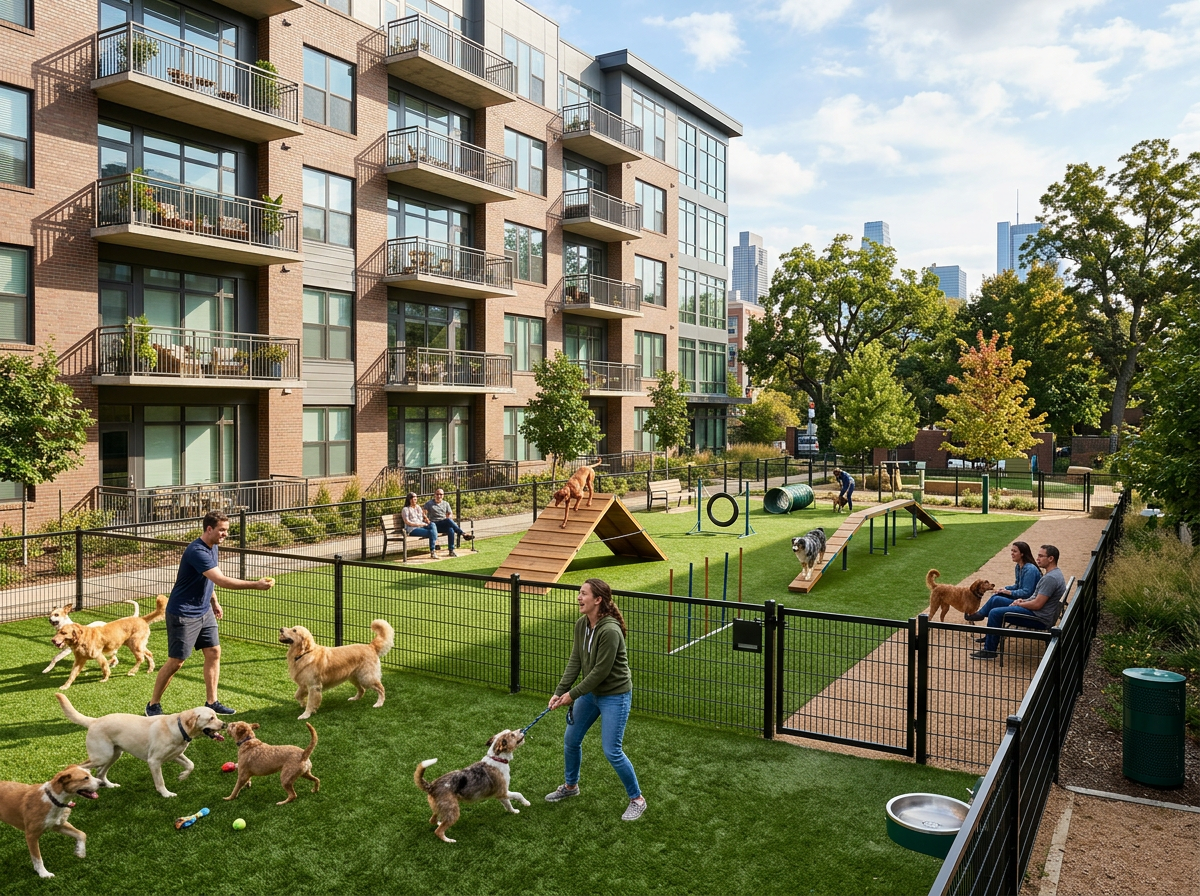
Truly Welcoming vs. Merely Tolerant Communities
It’s crucial for us, as pet owners, to distinguish between venues that are truly welcoming and those that are merely tolerant. A truly pet-friendly community goes beyond simply allowing pets; it actively creates an environment where they can thrive. This often manifests in several key ways:
- Amenity Distribution: In a genuinely pet-friendly setting, amenities like dog parks, wash stations, and green spaces are conveniently located and well-maintained. For instance, some luxury communities distribute pet amenities across multiple towers, ensuring easy access for all residents rather than centralizing them in one spot.
- Staff Interaction: Staff members in welcoming communities often show positive interaction with pets, perhaps offering treats or water bowls, and are knowledgeable about pet policies and local pet resources.
- Layout Design: The physical layout of a truly pet-friendly space considers pets’ needs, offering comfortable areas, durable flooring, and sometimes even private outdoor access like fenced yards or balconies designed for pets. In contrast, a merely tolerant establishment might have a “pets allowed” sign but offer no specific accommodations, leaving pets and their owners feeling like an afterthought. We’ve observed that places advertising as pet-friendly sometimes fail to deliver genuinely welcoming experiences, making it essential to look beyond the surface.
Key Differences Across Urban, Suburban, and Retirement Environments
The pet-friendly lifestyle also varies significantly depending on the environment:
- Urban Living: In bustling cities, space is often at a premium. Pet-friendly urban environments compensate with vertical living solutions, such as apartments with private terraces or access to rooftop dog runs. Walkability to parks and designated pet relief areas is critical, as is the availability of pet-friendly public transportation, which can expand a dog’s activity radius. Challenges include noise, limited private outdoor space, and navigating crowded streets.
- Suburban Spaces: Suburbs typically offer more space and green areas. Here, pet-friendly living often means access to larger community dog parks, extensive walking trails, and residential designs that include private yards. The emphasis shifts from maximizing limited space to leveraging natural surroundings for outdoor activities.
- Retirement Communities: For older adults, pet-friendly retirement living focuses on ease of access, safety, and the social benefits pets provide. Policies often include specific guidelines for pet care responsibility, on-site amenities like dog parks and wash stations, and proximity to veterinary services. The unique angle here is enabling residents to downsize without having to part with their beloved companions.
Designing the Ultimate Pet-Friendly Senior and Retirement Communities
As our population ages, the demand for senior living options that accommodate pets continues to grow. For many older adults, pets are not just companions but a vital part of their daily lives, offering comfort, routine, and a sense of purpose. Pet-friendly retirement communities are designed to support this bond, ensuring both residents and their furry friends can thrive together.
How Pets Enhance Senior Wellness and Social Connection
The benefits of pets for older adults in retirement living are extensive, touching on physical, emotional, and social well-being:
- Stress Reduction and Emotional Well-being: Pets are known to reduce stress and anxiety levels. The simple act of petting an animal can lower blood pressure and release oxytocin, promoting feelings of calm and happiness. They provide unconditional love and companionship, combating feelings of loneliness or isolation. As one source noted, “Life is better with pets by your side even in retirement living,” highlighting their role in enhancing overall quality of life.
- Encouraging Daily Activity: Having a pet, especially a dog, provides a compelling reason for daily activity. Regular walks, play sessions in a dog park, or even just moving around the home to care for a pet, contribute to maintaining physical health and mobility. This consistent, gentle exercise can be crucial for older adults, helping to maintain fitness and lower blood pressure.
- Fostering Social Connection: Pets are natural conversation starters. Walking a dog or visiting a community dog park creates opportunities for residents to meet and interact with neighbors, forming new friendships and strengthening existing bonds. These interactions can significantly enhance social networks and provide a sense of belonging within the community. For example, a certified therapy golden retriever named River at Atria Darien was noted for bringing people together and fostering new connections.
Essential On-Site Amenities and Facilities
Truly pet-friendly senior and retirement communities invest in specific amenities to support the well-being of their animal residents:
- Designated Dog Parks: These enclosed areas provide a safe space for dogs to play off-leash, socialize, and get essential exercise. Many communities, like Lifestyle Communities, offer these as a core amenity, making downsizing with pets simpler.
- Pet Wash Stations: On-site pet wash facilities are invaluable, allowing residents to easily clean their pets after walks or play without having to struggle in their own bathrooms. This helps maintain cleanliness within homes and common areas.
- Walking Trails and Green Spaces: Access to well-maintained walking paths and expansive green areas within or adjacent to the community encourages daily strolls and outdoor activity for both pets and their owners. Some communities even boast proximity to local parks and trails, like The Boulevard Largo, which is minutes from Largo Central Park and the Pinellas Trail.
- Pet Parking at Clubhouses: Unique amenities such as “doggy parking” at clubhouses or main community buildings demonstrate a thoughtful approach to pet integration, allowing residents to comfortably bring their pets along for community events or visits.
- Private Outdoor Access: In some luxury senior living apartments, private fenced yards or balconies with pet access offer convenient outdoor relief and play areas, especially beneficial for residents with mobility challenges.
Here’s a comparison of typical pet accommodations:
Structuring Fair and Harmonious Community Pet Policies
To ensure a positive experience for all residents, pet-friendly communities establish clear and comprehensive pet policies. These policies balance pet owners’ rights with the need for community harmony and safety:
- Number of Pets Allowed: Most communities, including Lifestyle Communities and Atria Senior Living, typically allow up to two pets per home. This helps manage the overall pet population and potential impact on shared resources.
- Size and Breed Restrictions: While some communities, like Dane Park Grapevine, pride themselves on having no breed or weight restrictions, others may have specific guidelines based on the community’s capacity and insurance requirements. It’s essential for prospective residents to check these details, as “size and temperament requirements vary by community” (Atria Senior Living).
- Indoor/Outdoor Rules: Policies often dictate where pets can be off-leash (usually only in designated dog parks) and where they must be leashed. For cats, many communities require them to stay indoors at all times, as seen in Lifestyle Communities’ policies.
- Waste Management: Strict rules regarding cleaning up after pets are universal, often supported by initiatives like “PooPrints enforced waste collection” to ensure community cleanliness.
- Care Responsibilities: A critical aspect of senior living pet policies is that residents must be able to care for their pets independently, as staff are generally not able to provide direct pet care. This ensures pets receive consistent attention and proper maintenance.
- Emergency Care Procedures: While not always explicitly detailed in promotional materials, robust communities should have protocols for emergency pet care, including a system for identifying designated caregivers if a resident becomes incapacitated. This is a topic gap often overlooked but vital for pet owners.
- Vaccination and Licensing: All required vaccinations and licensing must be current, ensuring the health and safety of both the pets and the broader community.
Practical Steps for Transitioning Your Pet to a New Community

Moving can be a stressful experience for anyone, and our pets are no exception. A smooth transition to a new pet-friendly community requires careful planning and consideration for our furry friends’ emotional and physical needs.
Preparing for the Move and Settling In
The goal is to minimize stress and help our pets feel secure in their new environment:
- Vaccinations and Licensing: Before the move, ensure all your pet’s vaccinations are up-to-date and that their licenses are current for the new municipality. This is often a non-negotiable requirement for pet-friendly communities.
- Familiar Scents and Objects: Pack your pet’s favorite toys, blankets, and beds. A unique insight from Atria Senior Living suggests not washing blankets before the move, as familiar scents provide comfort and reassurance in a new place.
- Temporary Pet-Sitting: Consider asking a friend or family member to watch your pet during the actual move-in day. This keeps them safe from moving hazards and reduces their stress during the most chaotic part of the transition.
- Routine Preservation: As much as possible, try to maintain your pet’s feeding, walking, and playtime routines. Consistency helps them adapt to the new surroundings.
- Gradual Introduction: Once in the new home, introduce your pet to one room at a time, allowing them to explore and get comfortable before opening up the entire space.
- Veterinary Records: Have all your pet’s veterinary records readily accessible and identify new local veterinary care options in advance.
Establishing Public Etiquette and Behavior Standards
Living in a shared pet-friendly space means being a responsible pet owner and ensuring our companions are well-behaved. This contributes significantly to community harmony and safety:
- Leash Control: Always keep dogs on a lead when walking around the community unless in a designated enclosed dog park. This is a best practice across all pet-friendly communities.
- Waste Collection: Promptly clean up after pets. This is non-negotiable and often enforced with measures like “PooPrints” systems in some apartment complexes. Biodegradable poop bags are a great eco-friendly choice.
- Noise Management: Ensure pets do not disturb neighbors with excessive barking or meowing. This might involve training, providing adequate exercise, and enrichment to prevent boredom.
- Socialization: Gradually introduce your pet to other dogs and people in the community. Well-socialized pets are less likely to cause issues in shared spaces.
- Training Resources: For dogs needing a little extra help with public manners or anxiety, investing in professional training can be incredibly beneficial. Programs focusing on Daly City pet friendly dog training can provide the tools and techniques needed to ensure your dog is a polite and confident member of any community. Building confidence for public outings is a key actionable step for pet owners.
- Respecting Boundaries: Keep pets within home boundaries and respect designated pet-free zones if they exist.
Building a Sustainable and Eco-Friendly Pet Routine
As environmental consciousness grows, so too does the desire to extend sustainable practices to every aspect of our lives, including the care of our pets. An eco-friendly pet lifestyle not only reduces our environmental footprint but can also lead to healthier pets and a cleaner community.
Sustainable Nutrition and Eco-Conscious Playtime
Our choices in pet food and toys have a significant impact:
- Sustainable Nutrition: The global pet industry contributes millions of tons of carbon emissions and waste. We can make a difference by choosing pet food brands that prioritize ethically sourced ingredients, recyclable packaging, and minimal processing. This might include:
- Insect-Based Proteins: Some sustainable pet foods utilize insect-based proteins, which have a significantly lower environmental impact than traditional meat sources.
- Locally Sourced and Organic Ingredients: Opting for foods with locally sourced, organic ingredients reduces transportation emissions and supports sustainable farming.
- Bulk Buying: Purchasing larger quantities or buying in bulk can reduce packaging waste.
- Eco-Conscious Playtime: Playtime doesn’t have to be wasteful. We can choose toys made from natural materials like hemp, organic cotton, or recycled rubber. DIY toys from old t-shirts or cardboard boxes are also excellent options. The focus should be on durability and multi-purpose toys that last longer, reducing the need for frequent replacements and minimizing waste.
Green Grooming and Responsible Waste Management
Even daily routines like grooming and waste disposal can be made more sustainable:
- Green Grooming: Switch to biodegradable, cruelty-free, and non-toxic shampoos and conditioners. Use reusable grooming tools such as metal combs or bamboo brushes, which are more durable and environmentally friendly than plastic alternatives. Saving water during baths by turning off the tap between rinses is also a simple yet effective practice.
- Responsible Waste Management:For Dogs: Use certified compostable biodegradable poop bags. While composting dog waste is possible, it’s crucial to note that it should not be used on edible plants due to potential pathogens.
- For Cats: Traditional clay cat litter is often produced through environmentally destructive strip mining. We can switch to eco-friendly alternatives made from recycled paper, wood, corn, or even tofu, which are often biodegradable and have a lower environmental impact.
- Eco-Friendly Gear: When purchasing pet gear like beds, collars, or bowls, look for products made from recycled fabrics, organic cotton, jute, bamboo, or stainless steel. Choosing long-lasting, washable items also minimizes replacement frequency.
Future Trends Shaping the Pet-Friendly Lifestyle
The pet industry is dynamic, constantly evolving to meet the changing needs and desires of pet owners. As of July 2026, several key trends are shaping the future of pet-friendly living, reflecting pets’ increasingly integrated role in our lives. The U.S. pet industry reached a staggering $158 billion in 2025, a testament to the economic power of our love for animals.
Dogs in the Hybrid Workplace and Travel Sectors
The lines between work, travel, and home life continue to blur, and pets are increasingly part of this integrated lifestyle:
- Pet-Friendly Workplaces: The demand for pet-friendly workplaces is growing, with nearly half (49%) of dog owners wanting to bring their pets to work. This trend supports hybrid work models, where professionals might split their time between home and office, and their dogs can accompany them. Brands are responding by developing “office-ready gear” such as compact beds, odor-control mats, and non-squeak toys.
- Enhanced Pet Travel: Travel with pets, especially dogs, is on the rise. More than half of dog owners bring their pets on daily errands, and a significant 74% of owners who travel with their dogs do so by plane. This has led to an expansion of the pet travel category beyond basic carriers and leashes. We now see a focus on full lifestyle offerings, including airline-approved carriers, portable nutrition, collapsible bowls, travel wipes, and hydration solutions. The industry is designing products with both practicality and lifestyle storytelling in mind, showing how they fit into every aspect of a mobile pet owner’s life.
The Expansion of the Pet Wellness and Technology Markets
Pet wellness is mirroring human wellness trends, with a focus on holistic health and convenience through technology:
- Holistic Wellness Products: Just as humans seek products for physical comfort and emotional balance, so too do pet owners for their companions. This includes ergonomic harnesses for joint support, calming chews for stress management, immunity supplements, and specialized hydration solutions. The industry is investing in science-backed ingredients and intuitive designs to enhance the physical comfort and emotional well-being of pets on the go.
- Technology Integration: Technology is making pet ownership more convenient and safer. This includes:
- Tracking Apps: GPS trackers and apps allow owners to monitor their pet’s location and activity levels.
- Smart Pet Doors: These provide controlled access for pets, often linked to microchips, enhancing security and convenience.
- Automated Feeders and Waterers: Smart devices ensure pets are fed and hydrated on schedule, even when owners are away.
- Telemedicine for Pets: The rise of virtual veterinary consultations offers convenient access to care, especially for minor issues or follow-ups.
These trends underscore the fact that dogs are now viewed as full-time lifestyle companions, influencing purchasing decisions and shaping the very environments we live, work, and travel in.
Frequently Asked Questions About Pet-Friendly Living
As we navigate the evolving landscape of pet-inclusive spaces, certain questions frequently arise. Here, we address some of the most common inquiries to provide clarity and guidance.
What is the difference between a pet-friendly and a pet-tolerant community?
The distinction between a “pet-friendly” and a “pet-tolerant” community lies in their approach to accommodating pets. A pet-tolerant community simply permits pets, often with minimal amenities or specific rules that might feel restrictive. They might allow dogs but offer no dedicated spaces for them, or staff interactions might be neutral rather than positive. The focus is on compliance rather than integration.
In contrast, a truly pet-friendly community actively designs its environment and services to welcome and support pets. This includes providing specific amenities like on-site dog parks, pet wash stations, walking trails, and even pet-centric social events. Staff often engage positively with pets, and policies are structured to foster a harmonious co-existence. As noted in our research, truly dog-friendly venues provide water bowls, treats, positive staff interactions, and comfortable layouts, whereas others merely tolerate dogs with minimal accommodations. The difference is often felt in the overall atmosphere and the ease with which pets and their owners can participate in community life.
How do retirement communities typically handle pet care responsibilities?
In pet-friendly retirement or senior living communities, the general policy is that residents are responsible for the full care of their pets. While communities provide pet-friendly environments and amenities, they typically do not provide direct pet care services such as feeding, walking, or administering medication. For example, Atria Senior Living explicitly states, “Residents must be able to care for their pets as staff is not able.”
This means that before moving in, residents must ensure they are capable of meeting their pet’s daily needs. Communities may assess a pet’s size and temperament to ensure the resident can manage them independently. In situations where a resident’s health might decline, it’s crucial for them to have a contingency plan, such as a family member or designated friend who can step in to care for the pet. Some communities may offer resources or connect residents with external pet care services, but the primary responsibility remains with the pet owner.
Can dog waste be composted safely in a community garden setting?
While composting dog waste is an eco-friendly alternative to landfill disposal, it cannot be safely used in a community garden setting, especially for edible plants. The primary concern stems from pathogens such as bacteria (e.g., E. coli, Salmonella) and parasites (e.g., roundworms, hookworms) that can be present in dog feces. These pathogens can survive the composting process if temperatures aren’t consistently high enough and can contaminate edible crops, posing a health risk to humans.
For this reason, eco-friendly guidelines recommend that if dog waste is composted at home, the resulting compost should only be used on ornamental plants, shrubs, or trees, and never on vegetables or other food-producing plants. In a community garden context, where various individuals might handle the compost and grow food, the risk of cross-contamination is too high. Therefore, for community gardens, it’s best to stick to traditional composting methods using plant-based materials and to dispose of dog waste through designated waste bins, ideally using certified compostable biodegradable poop bags.
Conclusion
Embracing a pet-friendly lifestyle is more than just a trend; it’s a recognition of the profound bond we share with our animal companions and their integral role in our well-being. From thoughtfully designed urban apartments to supportive senior living communities, the intentional creation of pet-inclusive environments enriches lives, fosters social connections, and promotes healthier, happier living for both humans and their furry friends.
As we’ve explored, achieving this ideal involves a multi-faceted approach: choosing truly welcoming communities, understanding and adhering to harmonious pet policies, preparing diligently for transitions, and committing to sustainable pet care practices. The future promises even more integration, with pets shaping our workplaces, travel experiences, and the very products we consume. A successful pet-friendly lifestyle hinges on community harmony, a commitment to long-term wellness, and the shared responsibility of ensuring that our beloved companions are not just tolerated, but celebrated members of our society.

A deep and rewarding simulation awaits you https://thebustlingworld.pages.dev
The Bustling World: A simulation like no other https://thebustlingworld.surge.sh
Discover a Beautiful Custom Generated World with Breathtaking Landscapes and Hidden Biomes https://kitties-mc.netlify.app
Step by Step Guide to Downloading GTA VI Beta Version for Windows https://gta6beta.pages.dev