There is a particular kind of silence that falls over a child when they reach the top of something, whether it is a hill, a boulder, or a ridge that required real effort to reach. It lasts about four seconds before they announce they need water, spot something further up the trail, or ask whether that cloud looks like a dog. Parents who spend time outdoors with children know this moment well. It is one of the better reasons to go outside with small people in the first place.
Getting to that moment requires getting through everything that comes before it: the parking lot negotiation over snacks, the first ten minutes of trail when everyone is suddenly tired, the muddy patch that claims at least one shoe, and the clothing and gear that seemed sensible at the car but feels less useful once the day changes. Outdoor days with children are worth the effort, but they are rarely simple.
The Trail Is Not Forgiving of the Wrong Fabric
A walking path through a park is one thing. A trail that gains elevation, crosses exposed ridges, passes through tree cover, and then returns a family to the trailhead after the weather has shifted is another. Clothing does not have to be extreme to work here, but it does need to handle more than a quiet walk around the block.
Some everyday fabrics can feel less comfortable on a trail once effort, weather, and stopping time all start to overlap. Cotton can hold moisture and feel cooler during pauses after active movement. Very thin layers may feel comfortable during the climb but offer less comfort when the group stops in a shaded or breezy section. The goal is a layer that helps the child stay reasonably comfortable as the day changes, without turning a family walk into an expedition packing list.
A useful trail layer helps manage warmth and moisture without asking the child to think about it. That can make the difference between a child who is focused on the next marker and one who keeps asking to change, unzip, or take something off.
Why Warmth and Breathability Are Not Opposites on the Trail
The assumption that a warm top must be a heavy top can make trail packing harder than it needs to be. A thick fleece may feel comfortable while standing still and too warm once the climb begins. A very thin layer may feel fine during active stretches but less useful when the group stops at a viewpoint. For family trail days, the better choice is often a top that balances light warmth with breathability.
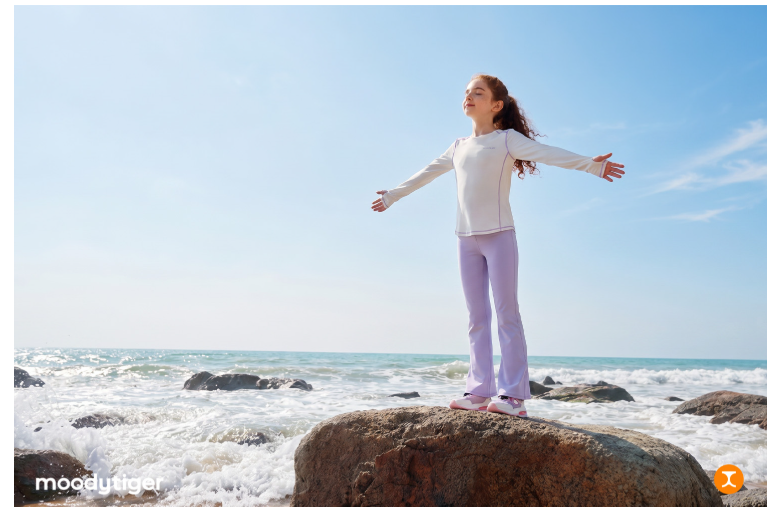
A piece like the moodytiger Long Sleeve Sport Tee for girls is easier to understand through the trail problem than through a list of technologies. Its fleece construction is designed to add light warmth during cooler moments, while moisture-managing fabric can help the top feel more comfortable through active parts of the climb. That balance is what outdoorwear for outdoor days needs when the route includes real changes in temperature and effort.
Movement on a Trail Is Nothing Like Movement in a Gym
Children on a trail move in ways that no sport context quite replicates. They scramble up rocky sections, stretch sideways to reach a handhold, jump from one rock to another, and then crouch down to look at something on the ground. The range of motion is broad, and a top that restricts part of that movement can make the day feel harder.
The top’s cut is designed for that kind of movement. The construction follows the body through lateral motion, helping the seams stay out of the way when a girl is reaching, climbing, or moving in directions that were not part of the plan. High-elasticity fabric can also help the top feel easier to move in through active stretches of the trail.
Parents who have watched a child pull off a restricting top halfway up a trail know what this problem looks like. A top that moves more easily with a child is more likely to stay useful through the day.
Sun on the Trail Hits Differently Than Sun in the Garden
Open trail sections can make sun exposure easy to underestimate, especially when the air feels cool or shade comes and goes. Families who hike regularly often learn that coverage works best as part of the plan from the beginning, not as something remembered halfway through the route.
A long-sleeve top with UPF-rated fabric can add useful coverage alongside sunscreen, hats, shade, and other sun protection habits. For trail days, the practical value is that coverage remains part of the outfit while the family moves through exposed and shaded sections.
The practical question is whether the long-sleeve option feels comfortable enough to keep on during warmer stretches of the trail. If a top feels too heavy during the climb, it may come off before the exposed section. A well-designed trail top should balance coverage, warmth, and breathability so the child can keep wearing it through changing conditions.
The First Mile Is the Hardest Part of Dressing for a Trail
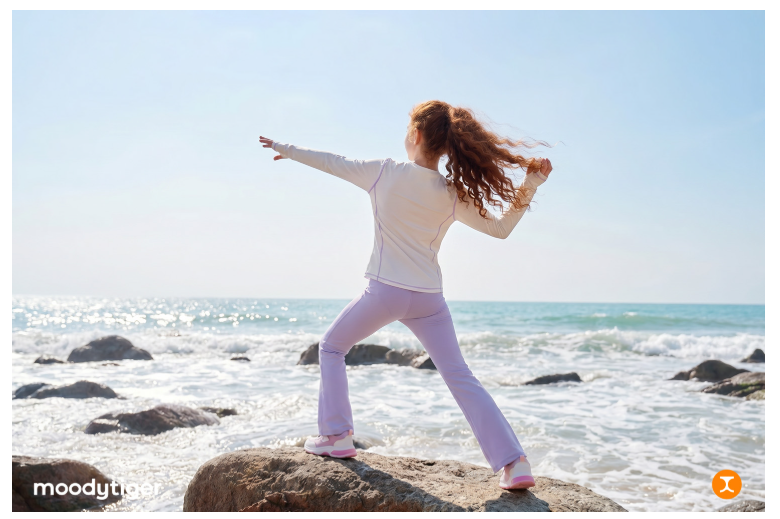
Most trail mornings begin with a temperature gap. It may be cool enough at the car for a warm layer and warm enough by the first mile for that same layer to feel like too much. Parents who have managed this a few times usually start looking for one layer that handles both conditions instead of packing several options to swap between.
The transition from cool start to active warmth is where current details on moodytiger.com can help parents compare what a trail layer is designed to do. The Long Sleeve Sport Tee uses fleece construction for light warmth at the start of the route and moisture-wicking fabric to help manage sweat as the body warms through the climb. The aim is a top that supports the transition without requiring constant management from a parent.
For families building a trail kit for active outdoor girls, this kind of layer can be useful because it covers more than one part of the route.
What Happens After the Viewpoint Matters as Much as Getting There
The descent is where many trail layers are tested in a different way. A child who felt warm and comfortable on the way up may feel cooler on the way down because the pace changes and the body is no longer working as hard. If fabric holds dampness, that pause in effort can make the last stretch less comfortable.
The Long Sleeve Sport Tee’s moisture-managing construction is meant to help move moisture during active parts of the day. That can make the descent feel more comfortable after a climb, especially when the group stops at a viewpoint before heading back to the trailhead.
That is the difference between clothing that looks trail-ready and clothing that is useful for changing outdoor conditions. The value is practical: the top still makes sense after the first hour of the day.
The Adventurer Decides the Day; the Clothing Stays Out of the Way
The best outdoor gear for children is gear they do not have to manage constantly. A top that needs less adjustment, feels comfortable through movement, and works through shifts in temperature lets the child focus on the trail, the rocks, the view from the top, and whatever they spotted moving in the undergrowth twenty meters back.
For parents comparing trail-ready options for girls, the Long Sleeve Sport Tee is the kind of piece that can fit into a practical outdoor kit. It is useful not because it promises a perfect day, but because it helps cover the ordinary problems that come up again and again on family trails: cool starts, active climbs, exposed sections, and the walk back down.
