As a parent, you work hard to create a safe and healthy environment for your family. You baby-proof the outlets, stock the fridge with nutritious food, and make sure everyone gets enough sleep. But what about those hidden dangers you can’t always see? Mold is one of those hidden household problems that can quietly affect both your home and your family’s well-being.
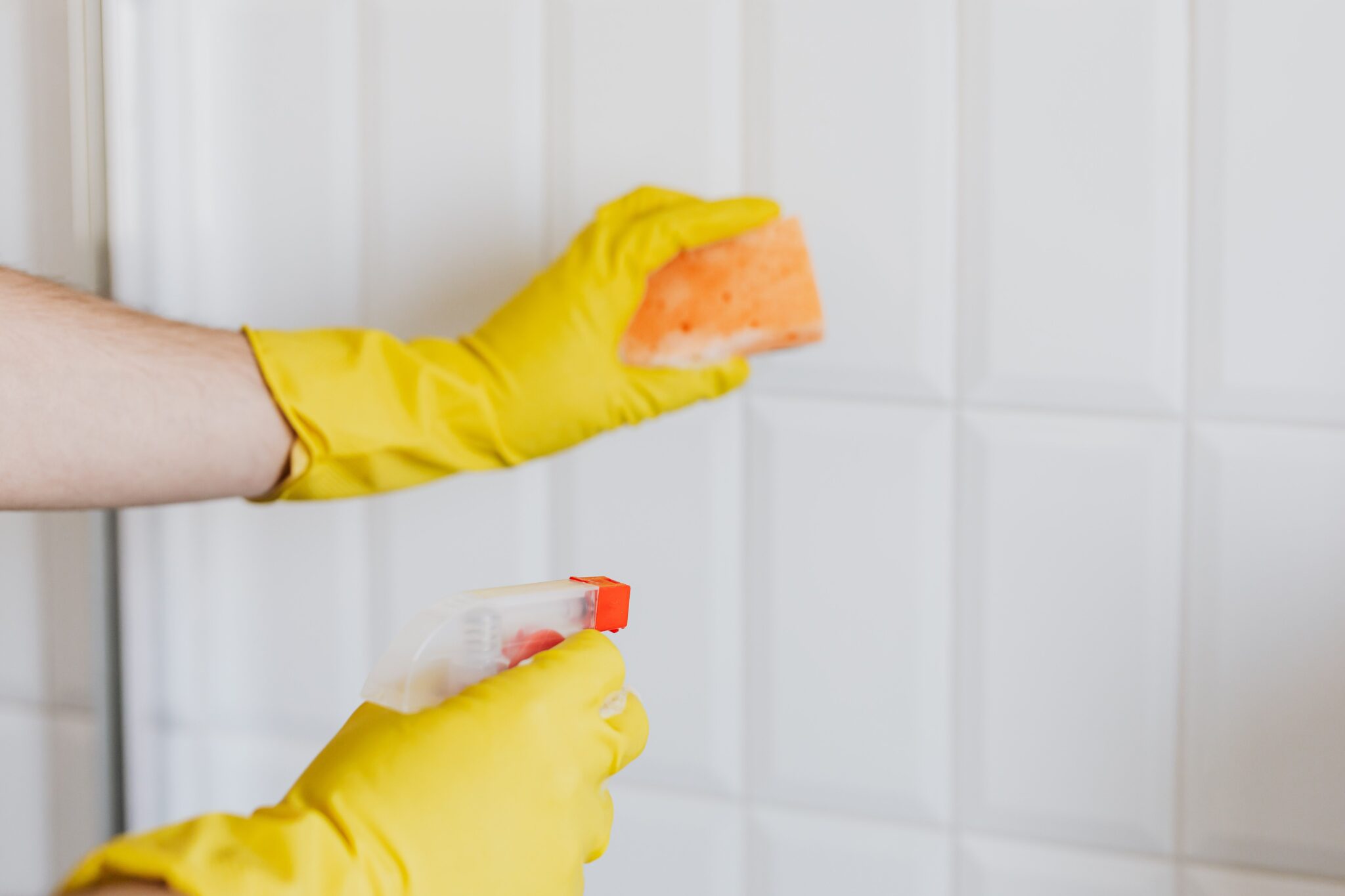
Image Credit: Pexels
Recognizing Mold Growth
To tackle a mold problem, you first need to know how to spot it. Often, your nose will pick up on it before your eyes do. If you notice a constant musty or earthy smell, especially in places like the basement, bathroom, or laundry room, that’s a big red flag.
When you look for it, mold can show up as spots or patches that are black, green, white, or even orange. It loves damp, dark spots. Make sure to check these usual suspects:
- Under sinks in the kitchen and bathrooms
- Around tubs and showers
- On basement walls or floors
- Near leaky windows or pipes
- In any areas that have had water damage from a flood or leak
If you see a discolored spot on a wall or ceiling and it feels damp or soft, chances are mold is growing behind it.
Health Impact on Families
Some people don’t have any issues with mold exposure. But for others, especially kids, older folks, and anyone with a weaker immune system or breathing problems, it can be a real concern. Harvard Medical School points out that knowing the health risks of mold in the home is super important for keeping your family safe.
Here are some common symptoms linked to mold exposure:
- Sneezing and a runny nose
- Itchy, watery eyes
- Coughing and wheezing
- Skin rashes
For kids with asthma, mold can even trigger more frequent and severe attacks. It’s definitely a household issue you shouldn’t ignore, especially with little ones around.
DIY vs. Expert Solutions
When you find mold, the first thing you’ll wonder is if you can clean it up yourself or if you need to call in a pro. If the moldy spot is small (less than about 10 square feet) and on a hard, non-porous surface like tile or glass, you can usually clean it yourself.
However, if the mold covers a big area, is hiding inside walls, or has gotten into porous stuff like drywall, carpet, or insulation, it’s time to call for expert help. Professionals have the right gear and training to safely remove mold and fix the underlying moisture issue without spreading spores all over your house. Attempting to remove extensive mold yourself can release additional spores into the air and potentially make the problem worse. If you’re not sure how extensive the mold problem is or whether professional remediation is needed, you can learn more here about the assessment and restoration process.
Keeping Your Home Dry
The most important thing you can do to stop mold from growing is to control moisture. Mold simply can’t grow without it. The U.S. Environmental Protection Agency has some great tips in A Brief Guide to Mold, which is a fantastic resource for homeowners.
Here are some easy ways to keep your home dry:
- Improve Ventilation: Always use exhaust fans in your kitchen and bathrooms when you cook or shower. Let them run for about 30 minutes afterward to really clear out that humid air.
- Fix Leaks Right Away: Even a small drip under the sink or a leaky roof can create the perfect spot for mold. Fix any water leaks as soon as you find them.
- Control Humidity: Try to keep the humidity in your home between 30% and 50%. You can use a dehumidifier in damp areas like basements.
- Clean and Dry Spills: Don’t let spills sit around. Clean and dry any wet surfaces, including floors and carpets, within 24-48 hours.
Post-Remediation Care
If you’ve had professionals take care of a mold problem, your job isn’t quite done. The trick to keeping mold from coming back is to stay watchful. Keep an eye on the treated area, looking for any signs of moisture or new growth.
Make sure you’ve permanently fixed whatever caused the moisture problem in the first place. This might mean changing the grading of your yard to direct water away from the foundation, fixing a plumbing leak that keeps happening, or improving the ventilation in a stuffy bathroom. Keeping your home dry and clean is your best bet against mold returning.
Staying aware of mold signs and what causes it is a simple but powerful way to protect your home and the people you care about most.

I love the bonus offers they have running right now. It really gives you more chances to win. Give tawonbetslot a try!
The deposit and withdrawal process is incredibly fast. No more waiting for days to get my winnings. Love rupiah100login for the efficiency.
I’ve had some decent wins here over the last week. The graphics are crisp and the overall feel is very professional. I’m sticking with 11krwin for a while.