The Core Benefits of Seasonal HVAC Maintenance
Our homes are complex ecosystems, and at their heart lies the HVAC system, tirelessly working to maintain comfort. Yet, its importance is often overlooked until something goes wrong. Proactive, seasonal maintenance isn’t just about fixing problems; it’s about unlocking a cascade of benefits that impact your wallet, your comfort, and your health.
One of the most immediate and tangible advantages of regular HVAC maintenance is the significant reduction in energy consumption. Dirty filters, clogged coils, and uncalibrated thermostats force your system to work harder, consuming more energy to achieve the desired temperature. Studies show that simply replacing a dirty air filter can reduce energy consumption by 5-15%. Furthermore, a clogged evaporator coil can drastically reduce cooling capacity by 20-40%, leading to longer run times and higher bills. Well-maintained HVAC systems can achieve up to 30% energy savings through proper filtration, coil cleaning, and control optimization. This translates directly to lower utility bills, freeing up funds for other household needs.
Beyond energy efficiency, consistent care significantly extends the lifespan of your HVAC equipment. A well-maintained system typically lasts 15-25 years, whereas a neglected one might only last 10-15 years. This extended longevity means delaying costly system replacements, providing substantial long-term savings. Regular tune-ups identify minor issues before they escalate into major, expensive repairs. In fact, structured preventive maintenance programs have been shown to reduce emergency HVAC call-outs by as much as 65%, preventing 75% of HVAC service calls overall. This proactive approach saves you from the stress and expense of unexpected breakdowns, especially during extreme weather. For homeowners seeking comprehensive care for their systems, exploring Complete Climate HVAC maintenance options can provide peace of mind and ensure peak performance.
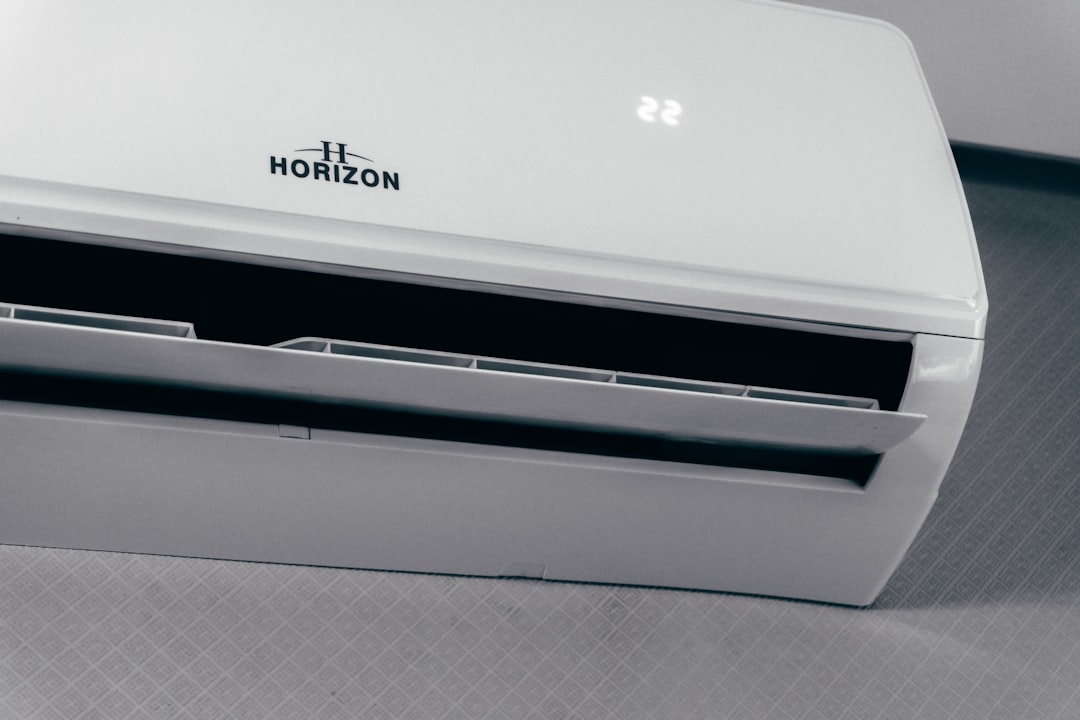
Finally, regular HVAC maintenance plays a critical role in maintaining superior indoor air quality (IAQ). Your HVAC system isn’t just about temperature control; it’s also responsible for circulating and filtering the air you breathe. Dirty filters allow dust, allergens, and pollutants to bypass filtration and recirculate throughout your home. Clogged coils can also harbor mold and bacteria, which are then distributed into your living spaces. Regular cleaning and filter replacement ensure that your system effectively removes these airborne contaminants, safeguarding your family from respiratory issues and allergies. This commitment to healthy indoor air is particularly vital in today’s environment, making regular maintenance an indispensable part of a healthy home.
DIY vs. Professional Care: Striking the Right Balance
Maintaining your HVAC system effectively requires a balanced approach that combines diligent DIY efforts with scheduled professional service. While homeowners can perform several basic tasks to keep their systems running smoothly, certain critical inspections and adjustments demand the specialized knowledge and tools of a certified technician. Understanding this distinction is key to ensuring both the efficiency and safety of your HVAC system. Preventative care, whether performed by you or a professional, is always the goal, aiming to catch small issues before they become costly emergencies. Attempting complex repairs without proper training can not only damage your system further but also pose significant safety risks, particularly with electrical components, refrigerants, and natural gas lines.
DIY HVAC Maintenance Tasks for Homeowners
Empowering yourself with basic DIY HVAC maintenance tasks can go a long way in preserving your system’s efficiency and extending its life. These tasks are generally straightforward, require minimal tools, and can be performed safely by most homeowners.
The most crucial and frequent DIY task is regularly replacing or cleaning your air filters. As of June 2026, experts recommend checking your filters monthly and replacing them every 1-3 months, or more often if you have pets, allergies, or live in a dusty environment. A clogged filter restricts airflow, forcing your system to work harder and consume more energy. When choosing filters, consider their MERV (Minimum Efficiency Reporting Value) rating. Higher MERV ratings (e.g., MERV 8-13 for residential use) indicate better filtration of smaller particles, such as pollen, pet dander, and mold spores, improving indoor air quality. However, ensure your system can handle a higher MERV filter, as some older units may struggle with the reduced airflow.
Beyond filters, maintaining the area around your outdoor condenser unit is vital. Ensure there’s at least two feet of clearance around the unit, free from grass, weeds, leaves, and other debris. Obstructions impede airflow, reducing the unit’s ability to dissipate heat efficiently. Periodically rinse the outdoor coils with a garden hose (on a gentle setting) to remove accumulated dirt and grime, but never use a pressure washer, as it can damage the delicate fins.
Inside your home, inspect and clear your condensate drain lines. These lines remove moisture collected by your evaporator coil. If they become clogged with algae or debris, water can back up, leading to leaks, water damage, and even system shutdowns. You can often clear minor clogs by pouring a cup of distilled vinegar mixed with water down the drain line every few months. Additionally, ensure all supply and return air vents in your home are unobstructed by furniture or drapes to allow optimal airflow.
What to Expect During Professional HVAC Maintenance
While DIY tasks are important, professional HVAC maintenance provides a deeper level of inspection and tuning, essential to your system’s long-term health and efficiency. Typically recommended annually (or semi-annually for heat pumps), these visits are comprehensive.
During a professional tune-up, a certified technician will perform a multi-point inspection. This includes checking all electrical connections for tightness and corrosion, which can prevent potential fire hazards and ensure a consistent power supply. They will also measure the refrigerant charge to ensure it’s at the optimal level; a charge that is even 10% low can cut efficiency by 20%. If a leak is detected, they will locate and repair it, then recharge the system.
Coil cleaning is another critical component. While you can rinse the outdoor coil, professionals have specialized tools and solutions to clean both the outdoor and indoor condenser coils thoroughly. A clogged evaporator coil, which can accumulate dirt even with regular filter changes, significantly impairs heat transfer. The technician will also inspect and clean the condensate pan and drain line to prevent blockages and potential water damage.
Thermostat calibration is crucial for accurate temperature control and energy efficiency. A miscalibrated thermostat can cause your system to run longer or shorter than necessary. Safety controls, such as limit switches and furnace flame sensors, will be tested to ensure they are functioning correctly and prevent dangerous situations, such as carbon monoxide leaks. Moving parts, such as fan motors, will be lubricated to reduce friction and wear, thereby extending their lifespan. The technician will also inspect ductwork for leaks, which can account for 20-30% of energy loss, and check the blower motor and fan for proper operation and cleanliness. This thorough examination ensures your system is operating safely and at peak performance.
System-Specific Maintenance Requirements
While many maintenance principles apply across the board, different HVAC system types have unique needs that require specific attention. Understanding these distinctions ensures that each component of your home’s climate control system receives the tailored care it requires.
For central AC systems, the focus is heavily on the outdoor condenser unit and the indoor evaporator coil. Regular cleaning of the condenser coil, ensuring clear airflow around the unit, and checking refrigerant levels are paramount for efficient cooling. The indoor evaporator coil, often hidden within the furnace or air handler, requires professional cleaning to maintain its heat-absorbing capacity.
Heat pumps, which provide both heating and cooling, require maintenance twice a year – once before the cooling season and once before the heating season. Because they work year-round, their components experience more wear and tear. During the heating season, it’s particularly important to ensure the outdoor unit is free of snow and ice so that it can extract heat from the outdoor air efficiently. Unlike central AC units, the outdoor unit of a heat pump should not be covered in winter, as it needs to operate.
Furnaces, whether gas, oil, or electric, have distinct safety and performance checks. For gas furnaces, an annual professional inspection is critical to check for carbon monoxide leaks, inspect the heat exchanger for cracks, and ensure the burner assembly is clean and igniting properly. These safety checks are non-negotiable. Electric furnaces require inspection of heating elements and electrical connections. All furnaces benefit from clean filters, a well-lubricated blower motor, and properly calibrated thermostat. When considering the longevity and safety of your heating system, especially during colder months, proper installation and regular maintenance are key. For those in the Frederick area, finding an expert Frederick heating installation service can be invaluable for both new systems and ongoing care.
Ductless mini-splits offer zoned comfort but require their own maintenance. The indoor units, often mounted on walls, have filters that homeowners can easily clean or replace. However, the internal coils and fan components of these indoor units, as well as the outdoor condenser unit, require professional cleaning to prevent mold growth and maintain efficiency. Because mini-splits are often used in individual rooms, their maintenance can sometimes be overlooked. Still, it’s just as critical for central systems to prevent efficiency loss and ensure healthy air.
Regardless of the system type, heating tune-ups are essential for winter preparation. For furnaces, this involves checking the heat exchanger, burners, gas pressure, and safety controls. For heat pumps, it means verifying the defrost cycle and ensuring the auxiliary heat strips are functioning correctly. These pre-season checks help prevent breakdowns when you need your heating system most, ensuring a warm, safe home throughout the colder months.
Warning Signs Your System Needs Immediate Repair
Even with diligent maintenance, HVAC systems can develop issues that require professional attention. Recognizing the warning signs early can prevent minor problems from escalating into major, costly repairs or even dangerous situations. If you notice any of the following indicators, it’s time to call a professional HVAC technician without delay.
Unusual Noises: Your HVAC system should operate with a relatively consistent hum. Any new or unusual sounds—such as grinding, squealing, banging, clanking, or hissing—are red flags. Squealing often indicates a worn belt in the blower motor, while grinding could point to a failing motor bearing. Banging or clanking might indicate a loose part or a problem with the fan blades. Hissing could be a refrigerant leak, which requires immediate professional intervention.
Short Cycling: This occurs when your system turns on and off frequently, running for very short periods. Short cycling can be caused by a variety of issues, including an oversized unit, a clogged air filter, a malfunctioning thermostat, or even low refrigerant levels. Regardless of the cause, short cycling puts excessive strain on the compressor and other components, leading to premature wear and higher energy bills.
Weak Airflow: If you notice that air isn’t flowing as strongly from your vents as it used to, or if some rooms are significantly colder or warmer than others, you likely have an airflow problem. This could stem from a dirty filter, blocked ducts, a failing blower motor, or issues with the ductwork itself. Inadequate airflow reduces comfort and forces your system to work harder.
Rising Energy Bills: While seasonal changes naturally affect energy consumption, a sudden, unexplained spike in your utility bills, especially if your usage patterns haven’t changed, is a strong indicator of an inefficient HVAC system. This inefficiency could be due to dirty coils, low refrigerant levels, a failing component, or a system struggling to maintain temperature.
Strange Odors: Musty smells often indicate mold or mildew growth within the ducts or evaporator coil. A burning odor might suggest an electrical issue or a dirty furnace. A strong, rotten-egg smell, particularly near a gas furnace, is a critical sign of a natural gas leak and requires immediate evacuation, a call to your gas company, and a call to your HVAC professional.
Inconsistent Temperatures: If some rooms are consistently too hot while others are too cold, or if your system struggles to reach and maintain your desired temperature, it’s a sign of a problem. This could be due to thermostat issues, duct leaks, an improperly sized system, or a failing component.
Water Leaks or Excessive Moisture: Puddles or excessive condensation around your indoor unit or furnace can indicate a clogged condensate drain line, a cracked drain pan, or a refrigerant leak. Water damage can be extensive and lead to mold growth if not addressed promptly.
Carbon Monoxide Detector Alarms: For homes with gas furnaces, a carbon monoxide detector is a critical safety device. Carbon monoxide is an odorless, colorless, and deadly gas. If your CO detector goes off, evacuate your home immediately and call emergency services. While not a direct HVAC symptom, a faulty furnace is a common source of CO leaks.
Ignoring these warning signs can lead to more severe damage, higher repair costs, and potentially unsafe living conditions. When in doubt, it’s always best to consult with a qualified HVAC technician to diagnose and resolve the issue safely and effectively.
Common HVAC Questions Answered
Homeowners often have questions about their HVAC systems, particularly concerning maintenance. Here, we address some of the most frequently asked questions to provide clarity and empower you to make informed decisions about your home comfort.
How often should HVAC air filters be replaced?
The frequency of air filter replacement is a critical aspect of HVAC maintenance and can vary significantly based on several factors. As a general rule, we recommend checking your air filter monthly and replacing it every 1 to 3 months. However, this timeline can shorten considerably under specific circumstances.
For instance, if you have pets, especially those that shed a lot, dander and fur can quickly clog filters, necessitating replacement every month or two. Similarly, households with allergy sufferers or individuals with respiratory conditions benefit from more frequent filter changes to maintain optimal indoor air quality. If you live in an area with high dust levels, ongoing construction nearby, or if your system runs almost continuously, monthly changes might be more appropriate.
The type of filter also plays a role. Standard fiberglass filters (low MERV) require more frequent changes than pleated filters with higher MERV ratings (e.g., MERV 8-13), which are designed to capture smaller particles but can also restrict airflow more if not changed regularly. Always ensure the MERV rating is compatible with your HVAC system to avoid putting undue strain on the blower motor. Regularly changing your filter is a simple yet powerful way to ensure your system’s efficiency and your home’s air quality.
Does regular maintenance keep manufacturer warranties valid?
Absolutely. This is one of the most compelling reasons to prioritize annual professional HVAC maintenance. Most HVAC system manufacturers explicitly state in their warranty terms that the system must undergo regular, documented professional maintenance to remain valid. Neglecting annual tune-ups can void your warranty, leaving you responsible for the full cost of repairs if a major component fails prematurely.
Manufacturers require this because they know that well-maintained systems are less likely to break down and perform more efficiently. Regular service ensures that any potential issues are identified and addressed early, preventing more significant damage. When a professional technician performs maintenance, they typically provide a detailed service report, which serves as official documentation of the service. It’s crucial to keep these records as proof of service, especially if you ever need to file a warranty claim. This documentation not only protects your investment but also provides a comprehensive history of your system’s care, which can be valuable if you decide to sell your home.
How can I verify my system is running efficiently after service?
After a professional HVAC maintenance visit, it’s natural to want to confirm that your system is indeed operating more efficiently. There are several ways homeowners can verify improved performance:
- Monitor Your Energy Bills: The most direct indicator of improved efficiency is a noticeable reduction in your energy bills, especially when compared with previous periods with similar weather and usage. While other factors can influence bills, a well-tuned system should consume less power.
- Consistent Temperature and Airflow: Pay attention to how well your system maintains the desired temperature throughout your home. You should experience more consistent heating or cooling, with fewer hot or cold spots. Check the airflow from your vents; it should feel strong and steady. If you have a thermometer, you can measure the “temperature split” – the difference between the air temperature entering the return vent and the air temperature exiting a supply vent. For cooling, it is typically 15-20 degrees Fahrenheit, and for heating, it’s usually 20-30 degrees Fahrenheit. A professional technician can provide the ideal split for your specific system.
- Reduced Run Times: An efficient system will reach your desired temperature more quickly and maintain it with fewer cycles. You might notice your system running for shorter periods or cycling on and off less often.
- Quiet Operation: While some operational noise is normal, an efficiently running system tends to operate more smoothly and quietly than one that is struggling. Listen for any unusual sounds that may have been present before service and note if they have disappeared.
- Smart Thermostat Data: If you have a smart thermostat, leverage its data. Many smart thermostats track system run times, energy usage, and temperature trends. You can compare pre- and post-maintenance data to see quantifiable improvements in efficiency and performance.
By monitoring these indicators, you can gain confidence that your HVAC maintenance has yielded positive results, ensuring your system delivers optimal comfort and efficiency.
Conclusion
In the intricate dance of homeownership, your HVAC system plays a leading role, orchestrating comfort and air quality year-round. As we’ve explored, regular maintenance is not merely a chore but a strategic investment that pays dividends in energy savings, extended equipment lifespan, and a healthier indoor environment. From the simple yet impactful act of changing your air filter to the comprehensive diagnostics of a professional tune-up, each step contributes to your system’s overall well-being.
By understanding the unique needs of different HVAC types and recognizing the early warning signs of trouble, you can act proactively rather than reactively. This preventive approach minimizes unexpected breakdowns, avoids costly emergency repairs, and ensures your home remains a sanctuary of comfort, regardless of the season. In June 2026 and beyond, prioritizing your HVAC maintenance is synonymous with smart home management, guaranteeing peace of mind and long-term savings.
Don’t wait for your system to falter before giving it the attention it deserves. Take the proactive step today to ensure your HVAC system is performing at its best.

The Art of Digital Asset Management: Integrating Apex Pool into Your Financial Routine https://apexpool.pages.dev
💻 Sleek and Modern Free EPUB Library Interface https://epubgo.pages.dev