Understanding the Core Components of Home Comfort Systems
Imagine your home as a perfectly tuned symphony, where every element works in harmony to create an ideal living environment. This is the essence of a truly comfortable home. It’s more than just a warm house in winter or a cool retreat in summer. True home comfort involves a complex interplay of systems—from heating and cooling to reliable water flow and safe electricity. Knowing you have resources available for all aspects, such as 24/7 emergency home comfort plumbing when unexpected issues arise, is part of achieving this peace of mind.
In this comprehensive guide, we will explore the intricate world of home comfort systems. We’ll delve into how heating, ventilation, and air conditioning (HVAC) work seamlessly with your plumbing and electrical infrastructure. Understanding these connections is key to maintaining a healthy, energy-efficient, and ultimately, a more enjoyable living space. We’ll also discuss how to select the right equipment, find reliable service providers, and ensure your home remains a sanctuary year-round.
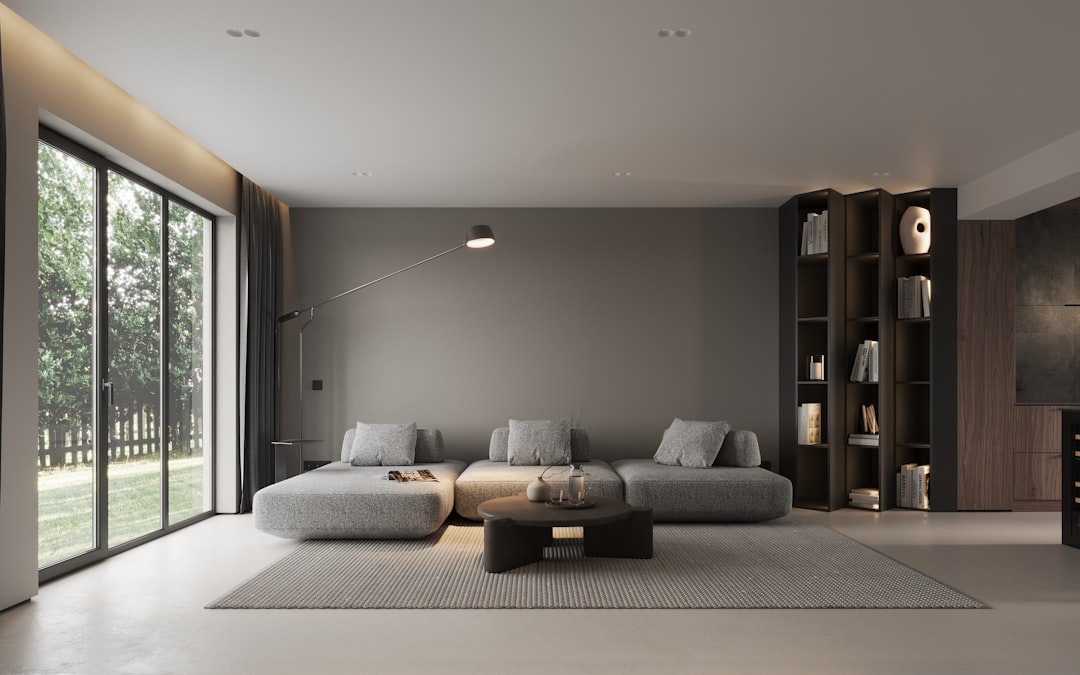
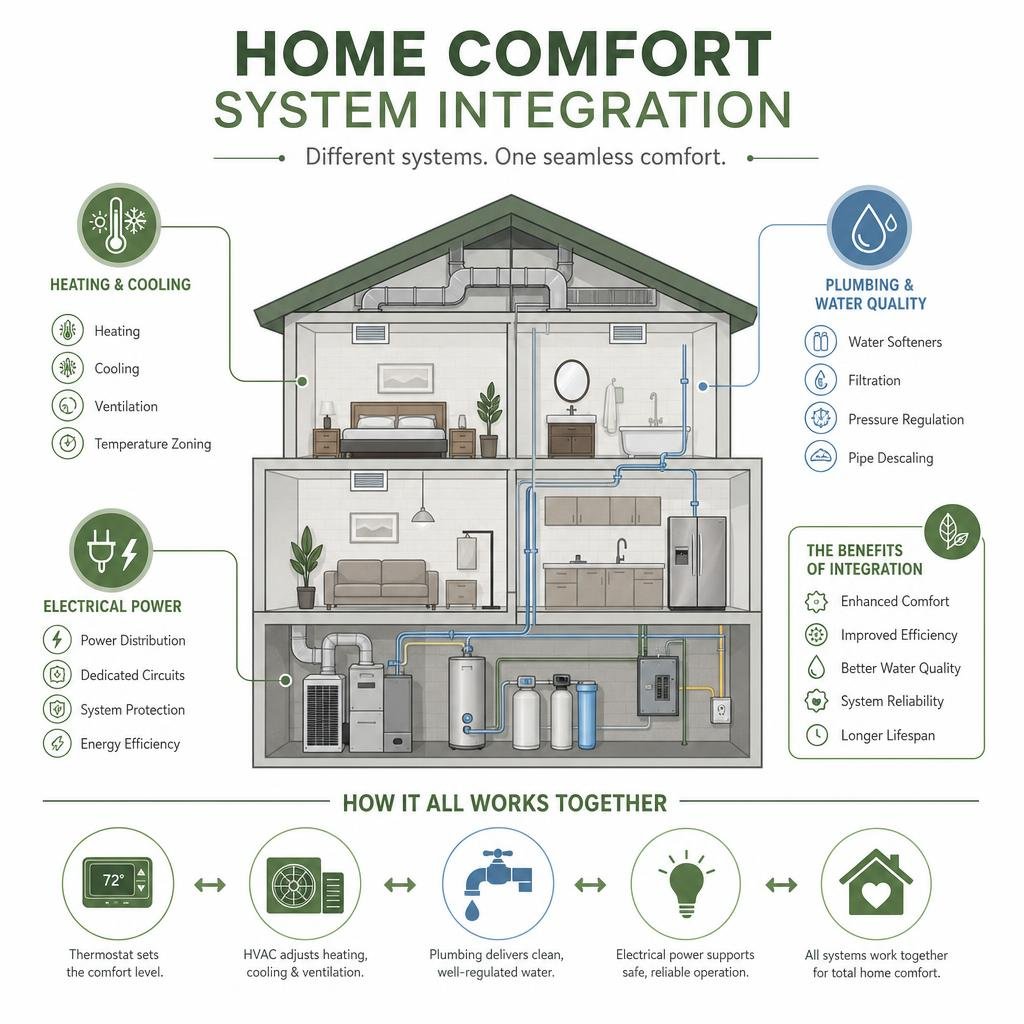
At its heart, a home comfort system is a network of interconnected services designed to regulate your indoor environment. While often thought of primarily as HVAC, a truly comprehensive system encompasses heating, cooling, indoor air quality, plumbing, and even electrical services. These elements work together to provide consistent temperatures, fresh air, clean water, and reliable power, all contributing to your family’s well-being and the longevity of your home.
When evaluating or upgrading your home’s comfort infrastructure, it’s crucial to consider how these disparate systems interact. For instance, a highly efficient heating and cooling unit might struggle if your ductwork is leaky, or if your home’s plumbing system is experiencing issues like hard water buildup. A holistic approach ensures that each component supports the others, leading to optimal performance and efficiency. Many homeowners find peace of mind working with providers who offer integrated solutions, acting as a single point of contact for diverse needs.
Heating and Cooling Foundations
The heating and cooling systems are arguably the most prominent aspects of home comfort. They dictate the ambient temperature, ensuring warmth during colder months and relief during heatwaves. Modern technology offers a variety of options, each with unique benefits and efficiencies.
- Furnaces: These systems primarily use natural gas, propane, or oil to heat air, which is then distributed throughout the home via ductwork. High-efficiency furnaces, like the Goodman GLZS5BA1810 with 96% AFUE, can significantly reduce energy consumption by converting more fuel into usable heat.
- Heat Pumps: A versatile choice, heat pumps can both heat and cool your home by transferring heat rather than generating it. In colder climates, advanced options like the Bosch IDS Ultra Inverter Ducted Split Cold Climate Heat Pump are engineered to perform efficiently even in sub-zero temperatures, offering up to 100% heating capacity down to 5°F. This makes them an increasingly popular, energy-efficient alternative to traditional furnaces and air conditioners, especially when paired with an air handler.
- Air Conditioners: Dedicated cooling units, air conditioners remove heat from your home and release it outside. Efficiency is measured by SEER2 (Seasonal Energy Efficiency Ratio 2), with higher numbers indicating better performance. Systems like the Carrier Comfort™ 14 Packaged Gas Furnace/AC System offer competitive SEER2 ratings for balanced cooling and heating.
- Ventilation: Beyond just temperature, proper ventilation is critical for circulating fresh air and exhausting stale, polluted indoor air. This can include exhaust fans, whole-house fans, and energy recovery ventilators (ERVs) or heat recovery ventilators (HRVs) that bring in fresh air while recovering energy from outgoing air.
- Temperature Zoning: For ultimate comfort and efficiency, zoning systems divide your home into distinct areas, each with its own thermostat. This allows you to heat or cool only the occupied spaces, preventing energy waste and catering to individual preferences. The Lennox Ultimate Comfort System, for example, integrates advanced zoning to address “hot here, cold there” issues, providing tailored comfort across multiple zones.
Reliability in these foundational systems is paramount. Regular maintenance and choosing high-quality equipment are key to preventing unexpected breakdowns and ensuring consistent comfort.
Water Quality and Plumbing Essentials
While often overlooked in discussions about “comfort,” your home’s plumbing and water quality systems play a direct and significant role in daily living. From drinking water to showers and laundry, the quality and availability of water directly impact health, hygiene, and appliance longevity.

- Water Softeners: Hard water, characterized by high mineral content (calcium and magnesium), can lead to scale buildup in pipes and appliances, reduce soap effectiveness, and leave skin and hair feeling dry. Water softeners remove these minerals, improving water quality and extending the lifespan of water-using appliances. For instance, in regions like Texas, where water hardness can be substantial (e.g., San Antonio at 357 PPM), a water softener is often a necessity.
- Water Filtration: Beyond softness, water filtration systems remove impurities, contaminants, and odors, providing cleaner, better-tasting water for drinking and cooking. Whole-house filters offer protection at every tap, while point-of-use filters cater to specific needs.
- Pressure Regulation: Maintaining optimal water pressure is crucial. Too high, and it can damage pipes, fixtures, and appliances, leading to costly leaks. Too low, and it impacts shower performance and appliance efficiency. Pressure Reducing Valves (PRVs) are vital for regulating incoming water pressure to a safe and consistent level, typically between 60-65 PSI, preventing issues like hammering pipes or premature fixture failure.
- Pipe Descaling: Over time, mineral deposits and corrosion can build up inside pipes, restricting water flow and reducing efficiency. Pipe descaling is a method to remove these buildups, restoring proper flow without the need for extensive pipe replacement.
These plumbing components, while distinct from HVAC, contribute to the overall comfort and health of your home. A reliable plumbing system ensures that your home functions smoothly, complementing the efforts of your heating and cooling systems. For a home comfort system to truly excel, it needs to be supported by Trusted home comfort systems across all its critical functions, ensuring every aspect of your living environment is optimized.
How HVAC, Plumbing, and Electrical Infrastructure Work Together
The true magic of a comprehensive home comfort system lies in the seamless integration of its various parts. HVAC, plumbing, and electrical services are not isolated entities; they are interdependent. Electrical systems power your HVAC units and water heaters, while plumbing handles the water supply and drainage for many comfort components. When these systems are designed, installed, and maintained with their interdependencies in mind, they create a highly efficient, reliable, and comfortable living space.
Consider the electrical load required for a high-efficiency heat pump or the dedicated circuit needed for a tankless water heater. Or think about the condensate lines from your air conditioner that rely on proper plumbing drainage. A breakdown in one area can quickly impact others, highlighting the importance of a coordinated approach.
The Synergy of Integrated Home Comfort Systems
Modern homes are increasingly leveraging smart technology to create truly integrated comfort systems. This synergy is about more than just convenience; it’s about optimizing performance, energy usage, and responsiveness.
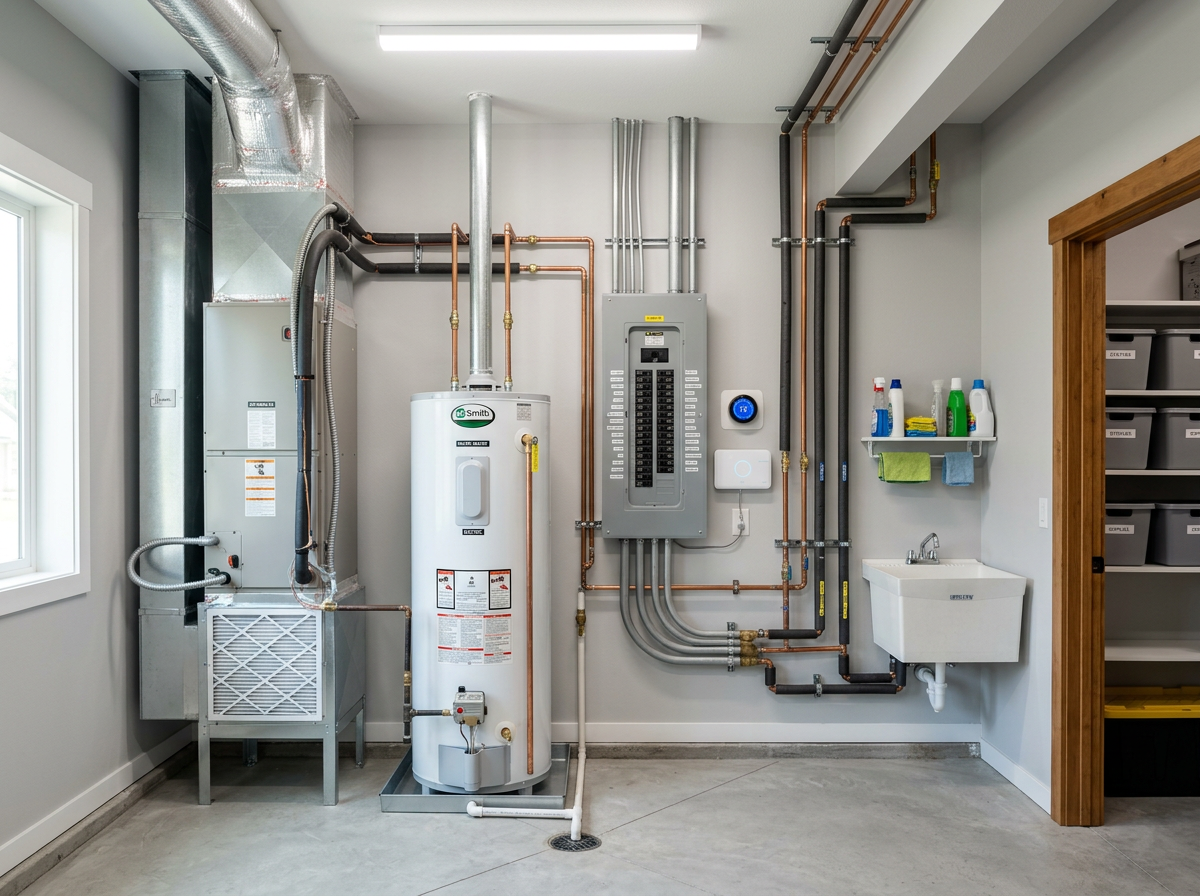
- Smart Thermostats: These devices are the command center of modern HVAC systems. They learn your preferences, can be controlled remotely, and integrate with other smart home devices. Advanced models, like the Lennox S40 Smart Thermostat, monitor sensors throughout the home, provide maintenance reminders, and can even enable remote diagnostics, turning your HVAC system into a true “Home Comfort Command Center.”
- Zoning Systems: As mentioned earlier, zoning allows for individualized temperature control in different areas. When integrated with smart thermostats, these systems become even more efficient, ensuring energy is only used where and when it’s needed.
- Humidity Control: Beyond temperature, humidity plays a huge role in comfort and indoor air quality. Integrated systems can include whole-home humidifiers or dehumidifiers that work in conjunction with your HVAC unit to maintain optimal humidity levels, preventing issues like dry skin, static electricity, or mold growth.
- Electrical Load Management: The electrical system is the backbone. Modern, high-efficiency HVAC and plumbing components require specific electrical connections and can impact your home’s overall electrical load. Proper electrical planning ensures that your comfort systems operate safely and efficiently without overloading circuits.
- Ventilation Systems: Integrated ventilation systems can be programmed to work with your HVAC unit, ensuring that fresh air is circulated efficiently, particularly important for indoor air quality. Some systems can even monitor CO2 levels or volatile organic compounds (VOCs) and trigger ventilation when needed.
This level of integration leads to a more responsive, energy-efficient, and healthier home environment, allowing homeowners to enjoy unparalleled comfort and control.
Plumbing and HVAC Cross-Over Points
Several key areas demonstrate the direct relationship between your plumbing and HVAC systems. Understanding these connections is vital for comprehensive home comfort.
- Tankless Water Heaters: These energy-efficient units heat water on demand, eliminating the need for a storage tank. While primarily a plumbing fixture, their efficiency contributes to overall home energy savings, a goal shared with modern HVAC systems. Proper installation requires both robust plumbing connections and adequate electrical or gas supply.
- Condensate Lines: Air conditioners and high-efficiency furnaces produce condensate (water) during operation. This water needs to be safely drained away from the unit and your home’s foundation via dedicated plumbing lines. Blocked or improperly installed condensate lines can lead to water damage, mold growth, and HVAC system malfunctions.
- Sump Pumps: Often found in basements or crawl spaces, sump pumps are critical plumbing devices that remove excess water, preventing flooding and protecting your home’s foundation. While not directly part of HVAC, they protect the environment where some HVAC components (like furnaces or water heaters) might be located, ensuring their safe and dry operation.
The interplay between these systems underscores the importance of a unified approach to home comfort. When considering any major upgrade or repair, thinking about how it affects other systems can lead to better long-term outcomes and prevent unforeseen issues.
Selecting and Evaluating Your Equipment and Providers
Choosing the right equipment and, perhaps even more critically, the right service provider, is paramount to achieving lasting home comfort. The market is flooded with options, and navigating them requires informed decision-making. Whether you’re replacing an aging furnace or installing a new water filtration system, a thoughtful approach will save you money and headaches in the long run.
When seeking a provider for your home comfort needs, look for companies that demonstrate a commitment to quality, transparency, and customer satisfaction. This includes proper licensing, comprehensive insurance, and a strong track record. For example, a company with over 53 years of trusted experience, veteran-owned and operated, and boasting an A+ rating with the Better Business Bureau for more than 40 years, like Home Comfort Systems Inc, exemplifies the kind of reliability and customer focus you should seek. Their record of 80% referral-based jobs and zero BBB complaints over 52 years speaks volumes about their service quality. Such credentials, including being rated #1 by publications like Chicago Magazine and receiving awards like the National Zoning Dealer of the Year, indicate a provider dedicated to excellence.
Key Factors in Equipment Selection
The performance and efficiency of your home comfort systems are heavily influenced by the equipment you choose. Here are critical factors to consider:
- SEER2 Ratings (Seasonal Energy Efficiency Ratio 2): For air conditioners and heat pumps, SEER2 measures cooling efficiency. Higher SEER2 numbers (e.g., 15.2 SEER2 for a Goodman system or up to 26.00 SEER2 for Lennox’s SL25KCV) indicate greater energy efficiency and lower operating costs. As of June 2026, new minimum efficiency standards are in effect, making it even more important to select compliant and high-performing units.
- AFUE (Annual Fuel Utilization Efficiency): This rating applies to furnaces and measures how efficiently they convert fuel into usable heat. An 81% AFUE furnace means 81% of the fuel is converted to heat, while 19% is lost. Modern high-efficiency furnaces can achieve 96% AFUE or even up to 99% for systems like the Lennox SLP99VK, drastically reducing heating costs.
- Capacity Sizing: This is perhaps the most crucial factor. An HVAC system that is too small won’t adequately heat or cool your home, running constantly and inefficiently. One that’s too large will cycle on and off too frequently, leading to uneven temperatures, increased wear and tear, and poor humidity control. Proper sizing requires a professional load calculation based on your home’s square footage, insulation, window types, and local climate.
- Features and Technology: Consider features like variable-speed compressors, multi-stage heating/cooling, smart thermostat compatibility, and advanced air filtration. These can significantly enhance comfort, efficiency, and indoor air quality.
- Refrigerant Type: With environmental regulations evolving, pay attention to the type of refrigerant used. Newer refrigerants like R-32 or R-454B (used in the Bosch IDS Ultra) have lower Global Warming Potential (GWP) compared to older options, aligning with future environmental standards.
Investing in high-quality equipment is only half the battle; proper maintenance is crucial for maximizing its lifespan, efficiency, and reliability. Regular preventative care can prevent minor issues from becoming costly repairs and ensure your systems operate at peak performance.
- Seasonal Tune-Ups: Professional tune-ups, typically performed twice a year (once for heating, once for cooling), are essential. Technicians inspect, clean, and adjust components, ensuring everything is in working order. This includes checking refrigerant levels, cleaning coils, inspecting electrical connections, and testing safety controls. Many companies offer maintenance plans, like the “Home Comfort Club,” which often include priority service, discounts on repairs, and annual tune-ups.
- Preventative Care: Beyond professional tune-ups, homeowners can perform simple tasks like regularly changing air filters (every 1-3 months, depending on usage and household conditions) to maintain airflow and indoor air quality. Keeping outdoor units clear of debris and ensuring vents are unobstructed also helps.
- Warranty Protection: Understand your equipment warranties. Many manufacturers offer extended warranties (e.g., 10-year parts warranty) if the product is registered within a certain timeframe. Regular professional maintenance is often a condition for keeping warranties valid.
- Professional Plumbing Inspections: Just like HVAC, plumbing systems benefit from regular check-ups. A professional can identify potential leaks, assess water pressure, inspect water heaters, and check for signs of pipe corrosion or blockages before they become emergencies.
LIST: Essential Seasonal Maintenance Tasks
- Spring/Early Summer (for Cooling): Clean or replace air filters.
- Clear debris from around the outdoor AC unit.
- Check the condensate drain for blockages.
- Schedule a professional AC tune-up.
- Fall/Early Winter (for Heating): Clean or replace air filters.
- Ensure vents and registers are clear.
- Test carbon monoxide detectors.
- Schedule a professional furnace/heat pump tune-up.
- Year-Round (for Plumbing & Electrical): Check for leaks under sinks and around toilets.
- Test sump pump operation.
- Flush the water heater annually.
- Inspect electrical outlets and cords for damage.
- Consider professional water quality testing and system checks.
For comprehensive care across all your home’s essential systems, consider working with a provider who can handle a range of services. All Pro home comfort systems providers often offer integrated solutions, ensuring that your heating, cooling, plumbing, and electrical needs are met by experienced and licensed professionals. This holistic approach simplifies maintenance and ensures consistent, reliable comfort.
Frequently Asked Questions About Home Comfort
Navigating home comfort systems can bring up many questions. Here, we address some of the most common concerns homeowners have, drawing on industry best practices and expert insights.
What services are typically included in a comprehensive home comfort plan?
A comprehensive home comfort plan typically extends beyond just heating and cooling to cover essential plumbing and, sometimes, electrical aspects. Key services often include:
- Heating Tune-Ups: Annual inspections and maintenance for furnaces, boilers, or heat pumps to ensure efficient and safe operation before the cold season.
- Cooling Maintenance: Pre-season checks for air conditioners and heat pumps to optimize performance and prevent breakdowns during warmer months.
- Plumbing Inspections: Regular checks for leaks, water pressure issues, water heater performance, and drain functionality. This can include services like pipe descaling or water softener maintenance.
- Indoor Air Quality Checks: Assessment of air filters, ductwork, and ventilation systems, with recommendations for purifiers, humidifiers, or dehumidifiers.
- Electrical Safety Checks: While less common in standard comfort plans, some providers might offer basic electrical safety inspections, especially concerning the wiring and power supply for HVAC and water heating units.
These plans often come with benefits like priority scheduling, discounts on repairs, and extended warranties, providing peace of mind year-round.
How do modern systems improve indoor air quality and energy efficiency?
Modern home comfort systems have made significant strides in both indoor air quality (IAQ) and energy efficiency, offering substantial benefits for homeowners.
- Enhanced Energy Efficiency:High SEER2/AFUE/HSPF2 Ratings: As discussed, higher ratings mean less energy consumption. The Lennox SL25KCV air conditioner, for example, boasts industry-leading cooling efficiencies up to 26.00 SEER2.
- Variable-Speed Compressors and Motors: These components adjust their output to match the exact heating or cooling demand, rather than operating at full capacity all the time. This leads to more consistent temperatures, quieter operation, and significant energy savings.
- Smart Thermostats and Zoning: By precisely controlling temperatures in different zones and learning homeowner preferences, smart systems prevent energy waste in unoccupied areas.
- Inverter Technology: Heat pumps featuring inverter technology, like the Bosch IDS Ultra, can modulate output in 1% increments, providing extremely precise temperature control and optimal efficiency, especially in varying outdoor conditions.
- Improved Indoor Air Quality:Advanced Filtration: Modern HVAC systems can incorporate high-MERV (Minimum Efficiency Reporting Value) filters, HEPA (High-Efficiency Particulate Air) filtration, or even UV-C lights to remove allergens, dust, pet dander, mold spores, bacteria, and viruses from the air. The Lennox Ultimate Comfort System, for instance, offers hospital-grade filtration that captures up to 99% of allergy-aggravating particles.
- Humidity Control: Integrated humidifiers and dehumidifiers maintain optimal indoor humidity levels, preventing the growth of mold and mildew while also improving comfort and protecting wood furnishings.
- Ventilation Systems: Energy recovery ventilators (ERVs) and heat recovery ventilators (HRVs) bring in fresh outdoor air while expelling stale indoor air, all while minimizing energy loss, ensuring a continuous supply of clean, oxygen-rich air.
These advancements not only reduce utility bills (some homeowners report 25% lower energy bills) but also create a healthier living environment, particularly beneficial for those with allergies or respiratory sensitivities.
What should I look for when choosing a local home comfort contractor?
Selecting the right contractor is crucial for ensuring quality installation, reliable service, and long-term satisfaction. Here’s what to prioritize:
- Licensing and Insurance: Always verify that the contractor is properly licensed for HVAC, plumbing, and electrical work in your area. They should also carry comprehensive liability and worker’s compensation insurance to protect you from financial responsibility in case of accidents or damage.
- Reputation and Reliability:Better Business Bureau (BBB) Rating: Look for an A+ rating and a history of few to no complaints over many years. A company with a “Complaint Free Award” for decades, as seen with Home Comfort Systems Inc, is a strong indicator of customer satisfaction.
- Customer Reviews and Referrals: Check online reviews (Google, Yelp, Angi, etc.) and ask for referrals from friends, family, or neighbors. Pay attention to consistent themes regarding professionalism, responsiveness, and problem-solving. A high percentage of referral business (e.g., 80% referrals) is a testament to quality service.
- Experience: A company with a long history (e.g., 50+ years) often signifies stability, expertise, and a deep understanding of local climate and building codes.
- Emergency Support: In the event of a system breakdown, especially during extreme weather, 24/7 emergency service is invaluable. Inquire about their response times and whether emergency calls incur additional fees.
- Financing Options: Major home comfort system replacements can be a significant investment. Reputable contractors often offer various financing plans through third-party providers (e.g., Wells Fargo, Payzer) to make upgrades more accessible.
- Warranties: Understand the labor and equipment warranties offered by the contractor. A company that stands behind its work, perhaps offering a 10-year parts and labor warranty on new equipment, demonstrates confidence in its installations.
- Professionalism and Communication: During initial consultations, assess their communication style. Are they transparent about costs, explain options clearly, and answer your questions thoroughly? A professional, knowledgeable, and courteous team is a good sign.
- Certifications: Look for technicians who are NATE (North American Technician Excellence) certified or hold other relevant industry certifications, indicating a high level of training and expertise.
By thoroughly vetting potential contractors, you can ensure you’re partnering with a reliable and trustworthy provider for all your home comfort needs.
Conclusion
Creating a truly comfortable home environment is a continuous journey that involves understanding, maintaining, and upgrading your essential systems. From the foundational heating and cooling units to the critical plumbing and electrical infrastructures, every component plays a vital role in your home’s overall health, efficiency, and livability.
By embracing a holistic view of home comfort, homeowners can make informed decisions that lead to significant benefits. Proactive maintenance, such as seasonal tune-ups and regular plumbing inspections, extends the lifespan of your equipment, prevents costly breakdowns, and ensures optimal performance. Investing in modern, energy-efficient systems not only reduces your carbon footprint but also translates into substantial long-term savings on utility bills. A well-maintained and integrated home comfort system enhances your daily life, providing a consistent, healthy, and enjoyable sanctuary for you and your family, while also increasing your home’s overall value.
