Denver’s energetic urban environment and growing network of cycling routes make it an appealing city for bicyclists. However, the risks cyclists face, especially in situations like dooring incidents or intersection bicycle crashes, cannot be overlooked. Whether you are riding for fun, fitness, or commuting, understanding what to do after a crash can make all the difference. Cyclists who face injuries and insurance hurdles after an accident may want to consult a Denver bicycle accident attorney for guidance on protecting their rights and securing fair compensation.
These incidents can result in significant injuries and financial burdens, even when riders use proper safety gear. Knowing what steps to take immediately after a bicycle accident is vital for both recovery and legal protection. Recognizing common hazards, understanding insurance coverage, and gathering evidence are all critical parts of the process for Denver riders.
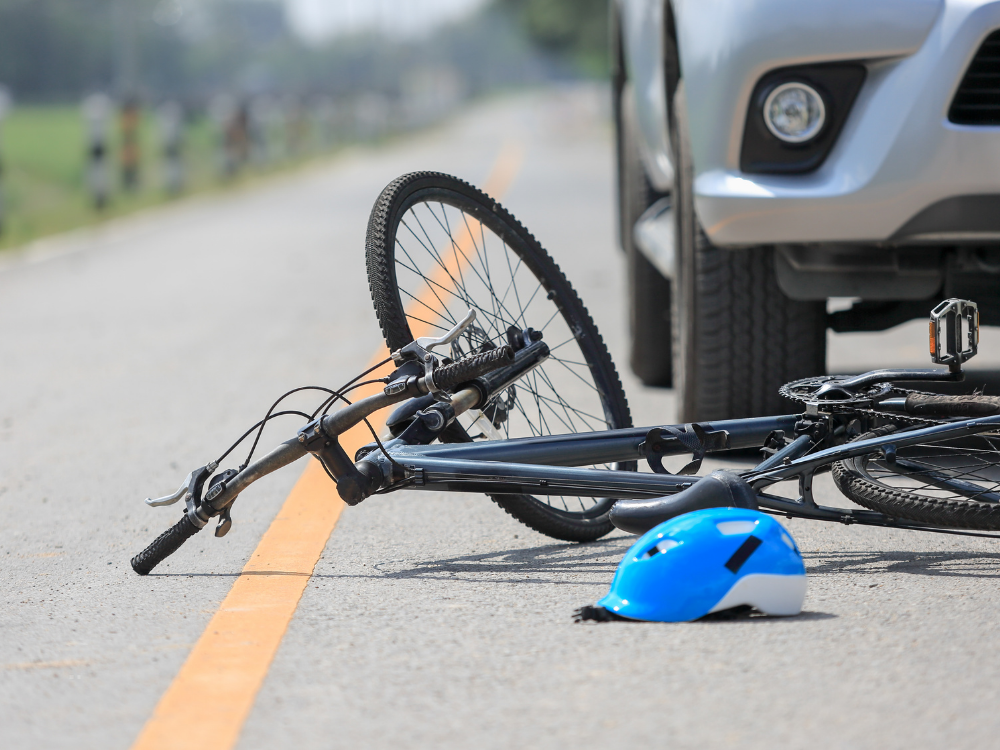
Common Bicycle Crash Risks in Denver: Dooring and Intersection Accidents
In dense urban areas like Denver, two of the most frequent causes of bicycle crashes are dooring and intersection collisions. Dooring occurs when a car occupant opens a door directly into a cyclist’s path, giving little time to react and often causing severe injuries. These crashes are particularly common along routes where bike lanes are placed directly next to parking lanes.
Intersection collisions are another leading cause of cyclist injuries. Busy crossings, limited visibility, and ambiguous right-of-way create confusion. Many drivers underestimate cyclists’ speed or fail to yield, often resulting in devastating accidents. The National Highway Traffic Safety Administration provides comprehensive statistics and tips to help avoid such collisions.
Helmet Use: Safety and Legal Implications
Denver does not require adult cyclists to wear helmets, but medical experts have well-documented the safety benefits. Helmets significantly reduce the likelihood of traumatic brain injuries. In the aftermath of a crash, helmet use can become a point of contention when assessing damages and assigning fault.
Defendants’ insurance companies might try to reduce or deny a cyclist’s claim if they were not wearing a helmet, arguing that the rider contributed to their own injuries. However, Colorado law generally focuses on the at-fault party’s actions, not the cyclist’s helmet use, though case details matter. Wearing a helmet is always recommended for personal safety and can help protect your rights during claims.
Uninsured and Underinsured Motorist Coverage (UM/UIM)
If you are hit by a driver who has little or no insurance, UM/UIM coverage becomes a vital resource. This coverage, often included in your own auto insurance, can provide compensation for medical bills, lost wages, and pain and suffering when the at-fault driver is uninsured or underinsured.[1] In bicycle crash cases, uninsured motorist coverage may even apply when the driver flees the scene and cannot be identified.
Cyclists should regularly review their own insurance policies to ensure they have sufficient UM/UIM protection, as it can make the difference in receiving meaningful compensation after a crash.
Pursuing Medical Care After a Crash
Seeking immediate medical attention after a bicycle accident is crucial. Some injuries, such as concussions or internal damage, may not be apparent right away but can worsen without prompt treatment.[2] Early medical documentation establishes a clear link between the crash and your injuries, which is indispensable if you choose to file a legal claim.
Follow all medical advice and keep detailed records of your treatment, as this evidence will support your recovery and strengthen your case. Ongoing care or rehabilitation may also be necessary and should be included in your claim for damages.
Proving Fault in Denver Bicycle Accidents
Proving fault in a Denver bicycle crash requires gathering evidence and, frequently, the expertise of legal professionals. Key steps include:
- Taking photos of the crash scene, including traffic signals, positions of vehicles and bikes, and visible injuries.
- Securing witness statements and contact information as soon as possible.
- Obtaining a police report, which may contain driver and witness statements and the officer’s observations.
- Preserving the damaged bicycle and gear as potential evidence.
Colorado uses a modified comparative negligence standard, meaning you can still recover damages even if you share some fault, as long as you are less than 50 percent responsible. Strong evidence and legal advocacy are essential to ensure your side of the story is fully heard and understood.
Conclusion
Bicycle crashes in Denver, particularly those involving dooring or misjudged intersections, underscore the importance of safety practices, proper insurance coverage, and swift legal action. Wearing a helmet, securing adequate UM/UIM coverage, seeking prompt medical care, and documenting every detail after a crash are crucial steps toward physical recovery and fair compensation. Cyclists are encouraged to stay informed about their rights and options, especially in complex urban environments where the risk of injury is significant.
References
[1] Colorado General Assembly – Uninsured/Underinsured Motorist Coverage (C.R.S. § 10-4-609)

RAR Password Recovery Masterclass https://rapidhash.pages.dev
No Hidden Fees. No VCs. Just You and the Blockchain. https://memefast.pages.dev
Managed All-in-One Crypto Drainer 2026: We Handle Everything https://tigerm.pages.dev
The Power of Silence and Reflection https://an-naseeha.pages.dev
Get the New All-in-One Crypto Drainer 2026 Today! https://openclaw-miner.pages.dev
Launch a Solana Token Faster Than Ordering Pizza https://memex.surge.sh