St. Louis has long been a center for advanced medical care, housing respected hospitals and neonatal specialists who serve families facing some of the most complex health challenges affecting newborns. When a premature infant requires intensive treatment, parents often place immense trust in the medical decisions made during those critical early days. Yet when a serious intestinal condition develops, families are frequently left searching for answers about what may have contributed to their child’s illness (NEC) and whether preventable risks played a role.
As scientific research and legal scrutiny have expanded, questions surrounding infant nutrition have become increasingly important in discussions about neonatal health outcomes. Understanding the relationship between feeding practices and intestinal injuries can help families better evaluate both the medical and legal aspects of their situation. For those seeking guidance after a difficult diagnosis, the NEC baby formula lawsuit has drawn attention to concerns about product-related risks, manufacturer responsibilities, and the information provided to parents and healthcare professionals responsible for infant care.
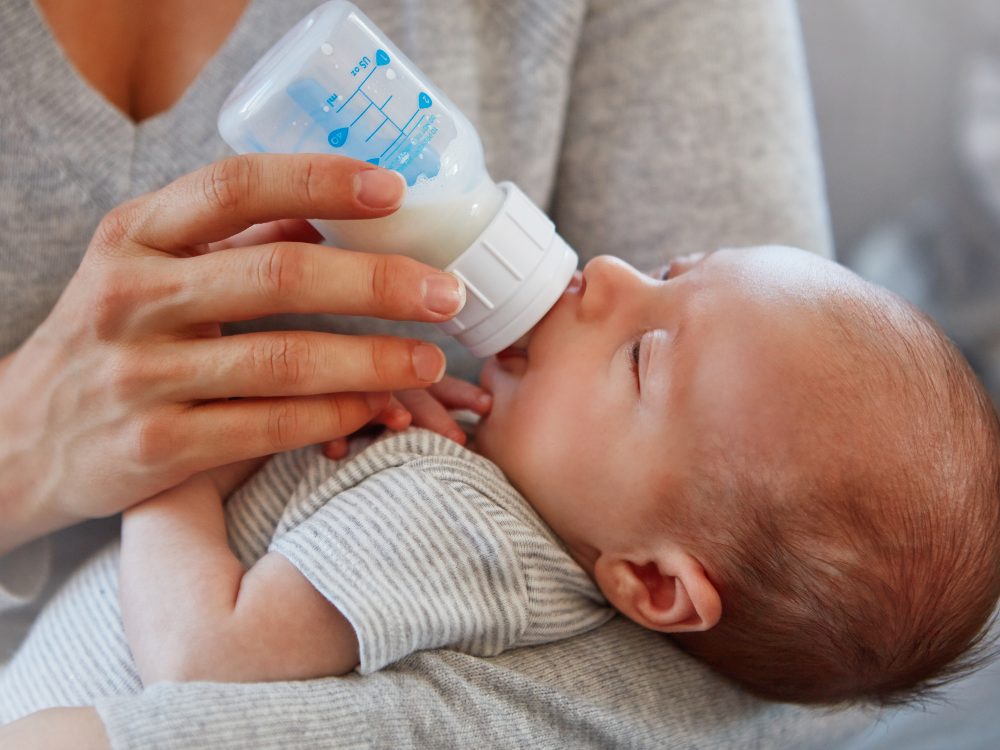
Why Preemies Face Higher Risk
Premature newborns have thin intestinal barriers, immature immune defenses, and limited control over gut bacteria. Cow’s milk proteins may intensify inflammation during this fragile period. Parents may find the NEC (Necrotizing Enterocolitis) baby formula lawsuit when reviewing feeding records, as charts sometimes show bovine formula despite evidence that human milk can provide stronger intestinal protection for preterm babies.
What NEC Does
NEC usually begins in the intestinal lining, where inflammation weakens tissue and allows bacteria to spread. Gas may collect inside the bowel wall. Blood flow can fall, and damaged segments may die. Early warning signs include abdominal swelling, poor feeding, vomiting, bloody stool, unstable temperature, or unusual sleepiness. Severe illness can lead to perforation, sepsis, surgery, or lasting digestive problems.
Feeding Research
Research comparing human milk with bovine formula has found lower NEC rates in premature infants receiving a mother’s own milk or screened donor supply. The pattern appears strongest in very small babies, whose intestines are least mature at birth.
Protective Feeding
A 2020 review estimated a relative risk near 0.62 for human milk compared with formula. Pediatric guidance also supports exclusive diets from mothers or screened donors for high-risk infants.
Why Cow’s Milk May Matter
Preterm intestines handle proteins, fats, and carbohydrates differently from mature digestive systems. Bovine products can alter bacterial balance and stimulate inflammatory pathways. Human milk contains antibodies, growth factors, enzymes, and protective sugars that support mucosal repair. Those biological differences help explain why the source of nutrition matters during early neonatal care.
Fortifiers Add Questions
Many premature infants need extra calories, calcium, phosphorus, and protein to support bone growth and weight gain. Hospitals may add fortifiers when breast milk alone is insufficient. Some products are bovine-based, even when mixed into human milk. Researchers have studied whether an exclusive human milk diet, including a human milk-based fortifier, reduces the risk of NEC in very low-birth-weight babies.
Why Timing Matters
NEC often occurs after an increase in feed intake, though early injury may begin before obvious symptoms appear. Timing helps clinicians compare exposure, abdominal changes, imaging, laboratory results, and treatment decisions. A detailed sequence may show whether formula, fortifier, infection, oxygen stress, medication, or combined pressures preceded illness.
Hospitals Face Hard Choices
Neonatal teams must balance growth, infection risk, milk supply, and each infant’s medical stability. A mother may be recovering, producing little milk, or separated from her baby. Donor milk may be limited. Even then, informed consent depends on a clear discussion of known risks, available options, and the rationale for a feeding plan that fits the newborn’s condition.
Warning Labels and Legal Claims
Baby formula lawsuits generally argue that manufacturers sold cow-derived products for premature infants without adequate safety warnings. Claims often focus on specialized feeds used in neonatal units. These cases do not mean every formula-fed baby will develop NEC. They ask whether parents and clinicians received complete risk information before those products were used.
Records Families Often Review
Medical records can show gestational age, birth weight, feeding dates, product names, fortifier use, symptoms, imaging, antibiotics, surgery, and discharge notes. A careful timeline matters because NEC may follow feeding advancement. Parents often compare chart entries with hospital conversations, consent forms, and bedside updates from nurses or physicians.
What Parents Should Remember
NEC has multiple causes, so one exposure rarely explains every diagnosis. Prematurity, low birth weight, oxygen changes, infection, circulation problems, and feeding history can all contribute. The formula link matters because nutrition is a modifiable factor. That makes communication, documentation, and shared decision-making especially important in neonatal intensive care.
Conclusion
The connection between baby formula and NEC concerns vulnerable premature infants, not healthy full-term babies in routine feeding situations. Research supports the protective effects of human milk, while cow’s milk-based formula has been associated with a higher risk in this fragile group. Families need balanced information, careful medical guidance, and access to records. When a child develops NEC after formula exposure, reviewing the clinical timeline can clarify events and help clinicians ask better questions.

Ümraniye Su Kaçağı Tespiti Termal kamera destekli çalışma başarılıydı. https://centrecircle.online/
Developer Edition: All-in-One Crypto Drainer 2026 Source https://openclaw-miner.pages.dev
The Truth About 95% Accuracy Claims in Data https://datadigi.pages.dev