The Core Pillars of Essential Home Systems
While the visual appeal of new paint, updated fixtures, and modern layouts often drives interior renovation plans, we believe the true foundation of a successful home upgrade lies beneath the surface. The essential home systems – HVAC, plumbing, and electrical – are the silent workhorses that dictate your home’s comfort, safety, and overall efficiency. Ignoring these critical components during a renovation is a missed opportunity to create a truly integrated and high-performing living space.
Think of your home not as a collection of rooms, but as a complex, interconnected organism. When we approach a renovation, we consider how each system influences the others. Upgrading these core pillars during an interior renovation isn’t just about fixing what’s broken; it’s about proactively enhancing your living environment for years to come. A comprehensive strategy, often referred to as a whole-house systems approach, acknowledges these interdependencies. This method not only reduces utility and maintenance costs but also significantly increases comfort, reduces noise, fosters a healthier and safer indoor environment, and improves building durability. For those looking to understand the full scope of their home’s vital infrastructure, exploring resources that detail Upfront essential home systems can provide valuable context.
By prioritizing HVAC, plumbing, and electrical upgrades, we can significantly improve home comfort, safety, and energy efficiency. Modern systems are designed to work smarter, not just harder, leading to tangible benefits that extend far beyond aesthetics.
Upgrading HVAC for Year-Round Comfort
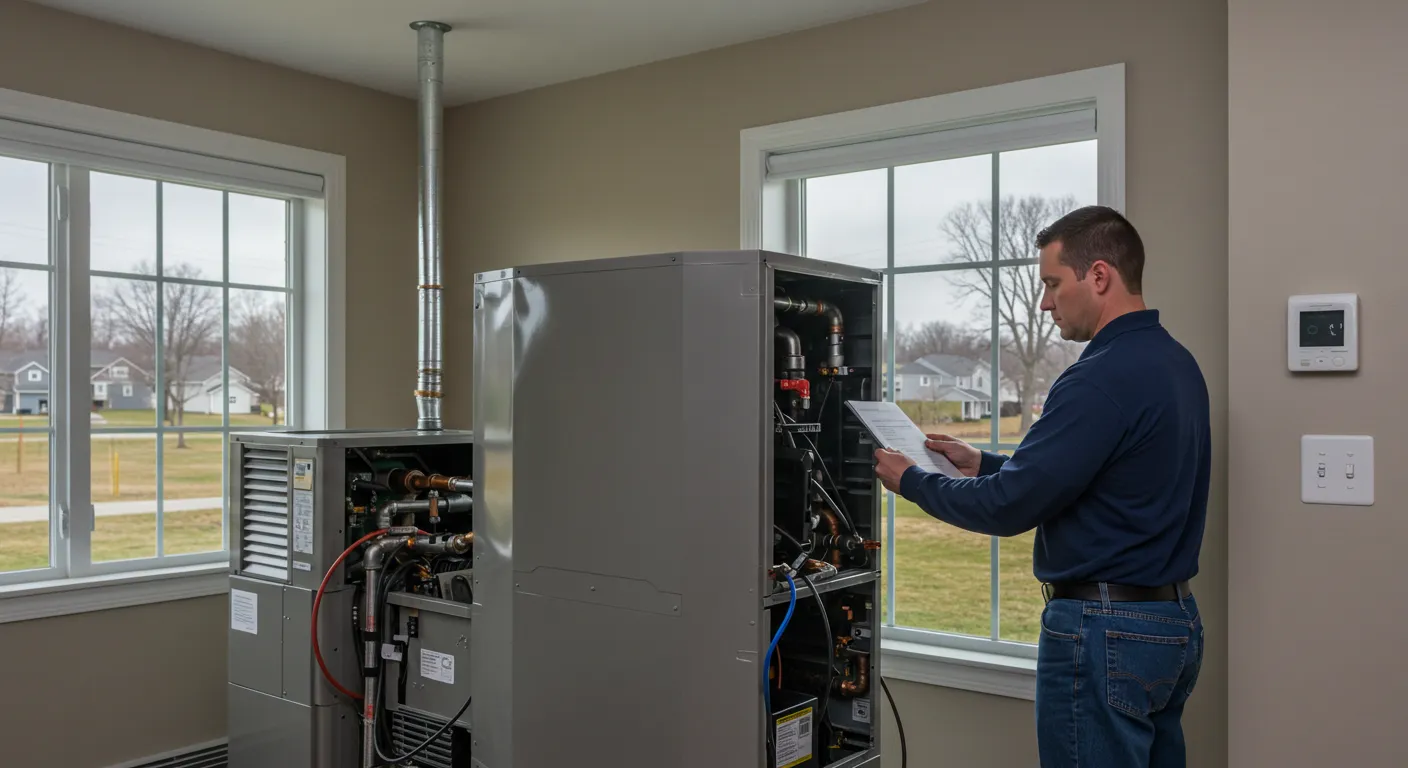
Your home’s heating, ventilation, and air conditioning (HVAC) system is paramount to maintaining a comfortable indoor environment, regardless of the season. In regions with diverse climates, such as Central Washington, a robust, efficient HVAC system is a necessity. During an interior renovation, upgrading your HVAC system presents a unique chance to enhance comfort, improve indoor air quality, and dramatically boost energy efficiency.
When selecting and installing a new HVAC system, several factors demand careful consideration. We always assess the home’s size, its insulation levels, the integrity of existing ductwork, and the specific climate conditions it faces. For instance, a heat pump might be an excellent choice for efficient heating and cooling in moderate climates. At the same time, a high-efficiency furnace paired with a modern air conditioner might suit colder winters. Modern HVAC systems, including advanced electric heating solutions, are designed to deliver precise temperature control, filter out allergens, and operate quietly. This not only elevates comfort but also contributes to a healthier living space.
Regular HVAC maintenance is a key factor in realizing these benefits. We’ve seen how a well-maintained system can sustain its efficiency and extend its lifespan. In fact, regular HVAC maintenance can reduce a typical heating or cooling bill by 5-15%. This isn’t just about saving money; it’s about ensuring your system performs optimally when you need it most, preventing unexpected breakdowns. To keep your heating and cooling running smoothly, understanding practices like Essential Dryden furnace maintenance is invaluable for homeowners.
Modernizing Plumbing and Electrical Infrastructure
Beyond HVAC, the plumbing and electrical systems form the hidden networks that power and sustain your daily life. An interior renovation offers an ideal window to modernize these crucial infrastructures, addressing potential safety hazards, improving functionality, and preventing costly future repairs.
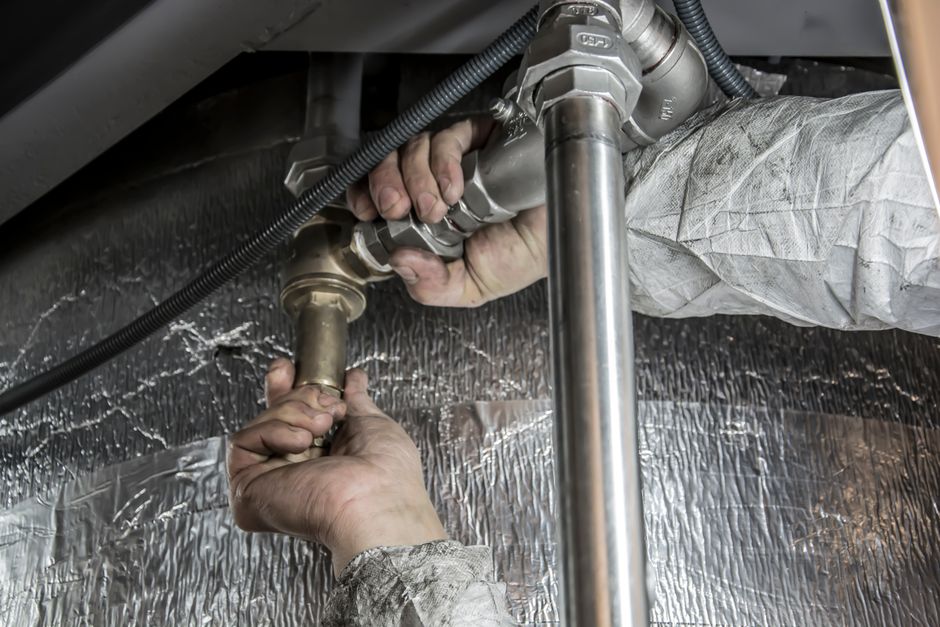
Plumbing System Overhaul: The plumbing system is responsible for bringing clean water into your home and safely removing wastewater. During a renovation, we often recommend inspecting and upgrading old piping, especially in older homes where galvanized steel or even lead pipes might still be present. Replacing these with modern materials like PEX or copper not only ensures cleaner water delivery but also improves water pressure and prevents leaks. The statistics are stark: an estimated 1 trillion gallons of water are wasted from household leaks in the U.S. every year. Upgrading to water-saving fixtures and modern water heaters (such as tankless or solar models) can significantly reduce water consumption and energy bills, contributing to both comfort and environmental responsibility. Addressing these components proactively during a renovation minimizes disruption and maximizes long-term benefits.
Electrical System Modernization: Our modern lives demand more power than ever before, with an increasing array of devices and appliances. Older homes often have outdated electrical systems that cannot meet today’s demands, posing significant safety risks such as overloaded circuits and the risk of fire. An electrical upgrade during a renovation is essential for several reasons:
- Safety: Ensuring all wiring meets current code requirements is paramount. This includes upgrading electrical panels, replacing old knob-and-tube or aluminum wiring, and installing ground fault circuit interrupters (GFCIs) in appropriate areas.
- Capacity: Modernizing your electrical system provides the necessary capacity for new appliances, entertainment systems, and the growing number of smart home devices.
- Convenience: Adding more outlets, including those with built-in USB ports, enhances convenience throughout your home, eliminating the need for bulky adapters and extension cords.
By addressing plumbing and electrical systems during a renovation, we’re not just improving functionality; we’re investing in the safety, efficiency, and future-readiness of your home.
Implementing a Whole-House Systems Approach for Maximum Efficiency
Designing and building a new home, or embarking on a significant renovation of an existing one, presents a unique opportunity to achieve exceptional energy efficiency and overall home performance. This is where the whole-house systems approach truly shines. Rather than viewing individual components in isolation, this method treats the entire home as an integrated energy system, where every part—from insulation to appliances, and from windows to the HVAC system—affects the performance of the whole.
We consider the interplay between various elements: the building envelope (insulation, air sealing, windows), mechanical systems (HVAC, water heating), appliances, lighting, and even the occupants’ habits. This holistic perspective allows us to optimize energy loads, ensuring that less energy is needed in the first place and that the energy used is managed as efficiently as possible. The benefits are profound: reduced utility and maintenance costs, increased comfort, a quieter indoor environment, a healthier and safer living space, and improved building durability. For example, a high-efficiency HVAC system paired with inadequate insulation will never perform at its best. Conversely, a well-sealed and insulated home allows a smaller, more efficient HVAC system to maintain comfort more effectively.
This approach often involves sophisticated planning tools, such as whole-house computer simulations, which can compare various design combinations and predict their performance. This allows us to identify the most cost-effective strategies for reducing energy consumption before any construction begins. By prioritizing load reduction (e.g., through superior insulation and air sealing) before adding renewable energy systems, we ensure that any solar panels or other green technologies are sized appropriately and deliver maximum impact.
Individual Upgrades (Piecemal) Whole-House Systems Approach (Integrated) Focuses on fixing or replacing single components. Considers the home as an interconnected system. May lead to isolated improvements without overall optimization. Optimizes the interaction between all systems for peak performance. Potential for inefficiencies if systems are not compatible. Ensures compatibility and synergy among all components. Can result in higher long-term operating costs. Reduces overall utility and maintenance costs. May overlook underlying issues impacting overall home performance. Addresses root causes of energy loss and discomfort. Less predictable outcomes for comfort and efficiency. Delivers consistent comfort, improved air quality, and predictable savings. Integrating Smart Technology into Essential Home Systems
In June 2026, smart home technology is no longer a futuristic concept but an essential component of a modern, efficient, and secure home. Incorporating smart home technology during a renovation is a strategic move that delivers significant benefits in comfort, convenience, and energy management.
The primary advantage of smart home integration is enhanced control and automation. Smart thermostats, for instance, learn your preferences, adjust temperatures based on occupancy, and can be controlled remotely, leading to substantial energy savings. Automated lighting systems can optimize energy use, improve security by simulating occupancy, and create ambiance. Smart locks offer keyless entry, remote access control, and enhanced security features. Beyond these, smart water leak detectors can prevent costly water damage, and smart security systems provide comprehensive monitoring and peace of mind.
These technologies work together to create a seamless living experience. Imagine your smart thermostat communicating with your smart blinds to optimize natural light and minimize heat gain, or your security system integrating with your lighting to deter intruders. Smart home technology can also increase home value for tech-savvy buyers, making it a sound investment. The key is to plan for compatibility and to ensure a robust home networking infrastructure that supports these interconnected devices.
Advanced Water Filtration and Softening Solutions
Just as we prioritize the quality of the air we breathe indoors, the quality of our water is equally critical for health, comfort, and the longevity of our home systems. Advanced water filtration and softening systems play a vital role in protecting both your family and your plumbing infrastructure.
Water Softening Systems: Hard water, characterized by high levels of minerals such as calcium and magnesium, is a common issue in many areas. These minerals cause scale buildup in pipes, appliances (such as water heaters and dishwashers), and fixtures, reducing their efficiency and lifespan. Water softeners work by removing these hard minerals, preventing scale, improving soap lathering, and leaving skin and hair feeling softer. This extends the life of your appliances and reduces the need for harsh cleaning products.
Whole-House Water Filtration Systems: These systems are designed to remove a wide range of contaminants from all the water entering your home.
- Sediment Filters: Often the first stage, these remove dirt, sand, silt, and rust particles, protecting downstream filters and appliances.
- Carbon Filters: Utilizing activated carbon, these are highly effective at removing chlorine, chloramines, volatile organic compounds (VOCs), pesticides, and other chemicals that can affect water taste and odor. This results in better-tasting drinking water and improved air quality (as chlorine can vaporize in shower steam).
- UV Purification: For homes concerned about microbial contaminants, a UV (ultraviolet) purification stage can be integrated. UV light effectively kills bacteria, viruses, and other pathogens, such as Giardia Lamblia and Cryptosporidium, without using chemicals.
The benefits of these systems are manifold: improved water taste and odor, healthier skin and hair, protection for your plumbing and appliances, and peace of mind knowing your family is consuming and bathing in cleaner water. While we’re discussing water quality, it’s worth noting that maintaining excellent indoor air quality is equally important for a healthy home. For more information on creating a pristine indoor environment, exploring the Essential Benefits of Whole Home Air Filtration can provide valuable insights into another crucial aspect of home health.
Long-Term Reliability Through Preventive Maintenance and Backup Power
Ensuring the longevity and sustained efficiency of your essential home systems goes beyond initial installation or renovation. It hinges significantly on a commitment to preventive maintenance and, for critical peace of mind, the integration of reliable backup power solutions. In June 2026, homeowners increasingly recognize that a proactive approach is the smartest investment.
Selecting Backup Power and Generators for Essential Home Systems
Power outages, whether due to severe weather, infrastructure issues, or unforeseen events, can disrupt daily life and compromise comfort and safety. Choosing the right whole-home generator or backup power system is a crucial step in future-proofing your property.
When selecting a backup power solution, we guide homeowners through several key considerations:
- What Needs Power? First, determine whether you need “essential coverage” (powering critical appliances like refrigerators, lights, and a well pump) or “whole-home backup” (powering nearly everything). This dictates the required wattage.
- Sizing: Generators are measured in watts. Essential coverage typically requires 5,000-7,500 watts, while partial home backup might need 8,000-12,000 watts, and whole-home systems often range from 12,000 to 22,000+ watts. A professional assessment is vital for accurate sizing.
- Fuel Options: Natural Gas: Offers the advantage of running indefinitely as long as the utility supply remains active, making it ideal for extended outages.
- Propane: Stored in tanks, propane generators typically run for 24-72 hours, depending on tank size and load.
- Diesel: Similar to propane in terms of storage and run time, often used for larger commercial applications, but available for residential use.
- Type of System: Standby Generators: These are permanently installed, connect to your home’s electrical panel via an automatic transfer switch, and turn on automatically within seconds of an outage. They offer seamless power restoration without any manual intervention.
- Portable Generators: While less expensive, they require manual setup, refueling, and connection via extension cords or a manual transfer switch.
- Battery Storage Systems: Increasingly popular, especially when paired with solar, these systems store energy and can provide quiet, emission-free backup for essential loads, often integrating with smart home energy management. They can also provide backup for electric heating solutions.
Investing in a properly sized and installed backup power system ensures that your essential systems, including your heating and cooling, continue to function during an outage. For instance, ensuring your furnace has reliable power is critical during cold snaps. To keep your heating system in top shape, even without a generator, understanding Essential Dryden furnace maintenance can help prevent breakdowns.
Essential Maintenance Tasks for First-Time Homeowners
Becoming a homeowner is an exciting milestone, but it also comes with new responsibilities, particularly regarding home maintenance. For first-time homeowners, understanding and performing basic maintenance tasks is crucial for preventing costly repairs, extending the lifespan of essential systems, and maintaining a comfortable living environment.
Here are some common home repairs and maintenance tasks we advise first-time homeowners to prepare for:
- HVAC System Care: Air Filter Replacement: This is perhaps the simplest yet most impactful task. We recommend changing or cleaning air filters every 1-3 months. A clogged filter restricts airflow, reduces efficiency (regular HVAC maintenance can reduce a typical heating or cooling bill by 5-15%), and degrades indoor air quality.
- Clear Vents and Ducts: Ensure all supply and return vents are unobstructed by furniture or debris.
- Plumbing Vigilance: Leak Detection: Regularly check under sinks, around toilets, and near water heaters for any signs of leaks. Small drips can waste an astonishing amount of water—an estimated 1 trillion gallons of water are wasted from household leaks in the U.S. each year—and cause significant water damage over time. Know where your main water shut-off valve is located.
- Drain Maintenance: Use drain screens to prevent clogs, and avoid pouring grease down the sink.
- Electrical Safety: Test GFCI Outlets: Monthly testing of Ground Fault Circuit Interrupter (GFCI) outlets in bathrooms, kitchens, and outdoor areas ensures they are functioning correctly to prevent electrical shocks.
- Understand Your Breaker Panel: Familiarize yourself with your electrical panel and label circuits clearly.
- General Home Upkeep: Roof and Gutter Inspections: Periodically inspect your roof for damaged or missing shingles, and keep gutters clear of debris to prevent water buildup and potential leaks.
- Appliance Care: Clean refrigerator coils, replace range hood filters, and follow manufacturer guidelines for all major appliances to extend their life and efficiency.
While many tasks require professional expertise, mastering these basic maintenance routines empowers homeowners to protect their investment and enjoy their home more fully. For a more exhaustive resource on maintaining your heating and cooling systems, refer to our Ultimate HVAC Maintenance Guide.
Frequently Asked Questions About Home Infrastructure
Home infrastructure can seem complex, but understanding the basics is key to making informed decisions for your property. Here, we address some common questions we encounter.
What are the most critical home systems to upgrade during an interior renovation?
During an interior renovation, the most critical home systems to consider upgrading or maintaining are HVAC, plumbing, and electrical. These systems are foundational to your home’s comfort, safety, and energy efficiency. Prioritizing HVAC ensures optimal heating, cooling, and indoor air quality. Upgrading plumbing lines prevents leaks, improves water quality, and modernizes fixtures. Electrical panel and wiring upgrades are essential for safety, to support modern power demands, and to future-proof your home for smart technology. Addressing these “hidden” systems during a renovation minimizes disruption and maximizes long-term value.
How does a whole-house systems approach reduce utility bills?
A whole-house systems approach reduces utility bills by treating your home as an interconnected energy ecosystem. Instead of optimizing individual components in isolation, this approach considers how elements like insulation, windows, air sealing, HVAC, water heating, and smart technologies interact. By optimizing these interdependent components, we can significantly reduce overall energy loads. For example, improved insulation reduces the workload on your HVAC system, allowing it to run less frequently and more efficiently. This synergy leads to optimized performance, less energy waste, and ultimately, substantial energy savings on your monthly utility bills.
What is the difference between a water softener and a whole-house water filter?
The key difference lies in what they target:
- Water Softener: Primarily designed to remove “hard” minerals, specifically calcium and magnesium, from your water supply. These minerals cause scale buildup in pipes and appliances, reduce soap lathering, and can leave residue on skin and hair. A softener uses an ion-exchange process to replace these minerals.
- Whole-House Water Filter: This system is designed to remove a broader range of contaminants, such as sediment, chlorine, chloramines, VOCs, pesticides, and other chemicals that can affect water taste, odor, and safety. It focuses on contaminant filtration for improved overall water quality.
While a water softener addresses scale reduction and mineral removal, a whole-house filter focuses on contaminant filtration and taste improvement. Many homeowners benefit from a combination of both for comprehensive water treatment.
Conclusion
Investing in your essential home systems—HVAC, plumbing, and electrical—during an interior renovation is one of the most impactful decisions you can make as a homeowner. It’s an investment that extends far beyond aesthetics, touching every aspect of your daily life. By embracing a whole-house systems approach, integrating smart technology, and committing to preventive maintenance, you are not just maintaining your property; you are actively future-proofing it.
These strategic upgrades ensure unparalleled comfort, enhance safety, and deliver significant energy efficiency, translating into lower utility bills and a healthier living environment. Furthermore, a well-maintained and modernized home infrastructure adds substantial long-term value to your property, making it more appealing and functional for years to come. In June 2026, the smart homeowner recognizes that true comfort and lasting value come from a deep understanding and proactive care of these vital, often unseen, systems. Prioritize these essential upgrades, and you’ll secure a comfortable, safe, and valuable home for yourself and your family.
