The best refrigerators for a family are not always the most expensive model or the one with the most smart features. In fact, extra features can add convenience, but they may also add maintenance and repair complexity. Families need a refrigerator that fits their kitchen layout, grocery habits, meal prep routine, kids’ snacks, leftovers, water and ice usage, and long-term maintenance needs. Before spending thousands on aesthetic prestige or novelty technology, it is critical to understand how the appliance functions under heavy daily stress. This guide will break down the refrigerator features that matter most for busy families so you can make a reliable, budget-friendly choice.
Start With the Right Capacity for Your Household
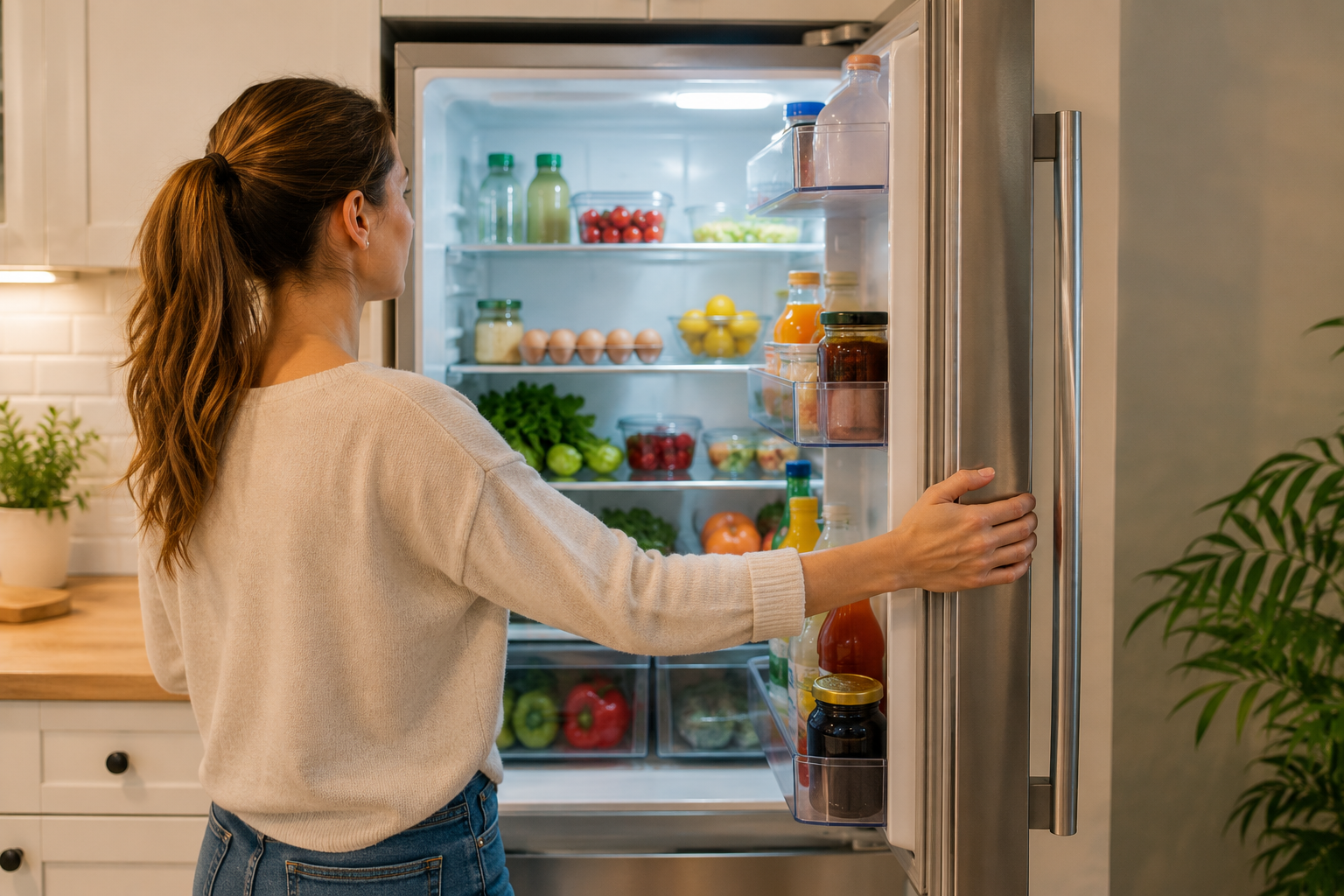
Capacity should be your first consideration because families simply store more fresh food, leftovers, drinks, snacks, frozen meals, and bulk groceries.
A common shopping guideline is about 4 to 6 cubic feet per person, though actual needs depend on grocery habits, freezer use, and kitchen space. A family of four often starts around 20 cubic feet, but bulk shopping, meal prep, and freezer habits may require more. Larger families often need more flexible storage rather than just more cubic feet. French door models dedicate a massive footprint to fresh food, which is highly practical for organizing wide platters and school lunches. Conversely, side-by-side models evenly split the space, making them superior for stacking bulk frozen meal prep.
Your weekly grocery shopping habits also alter capacity needs. Keeping the refrigerator moderately stocked can help stabilize temperature, but avoid overpacking because cold air still needs room to circulate. This stabilizes the interior temperature, keeping weekend meal prep, delicate baby food, and sports drinks consistently cold.
Choose a Layout That Fits Your Kitchen Routine
Your refrigerator layout directly influences how easily adults and kids access food during hectic daily routines.
French Door Refrigerators
French door refrigerators are increasingly popular for families because they offer wide fresh-food storage, excellent visibility that prevents items from being forgotten, and flexible shelving.
Side-by-Side Refrigerators
Side-by-side models can work exceptionally well in narrower kitchens because the dual doors require less clearance to swing open. They also make frozen, meal-prepped foods much easier to organize and access at eye level.
Bottom-Freezer Refrigerators
These units are highly functional for families who use fresh foods more often than frozen foods, keeping dinner ingredients right at chest height.
Top-Freezer Refrigerators
Traditional top-freezer models are generally the most standard, energy-efficient option available. While usually more budget-friendly and simple, their simpler design can mean fewer convenience components to maintain.
Water and Ice Dispensers Are Convenient, But They Need Maintenance
Many families prefer refrigerators with built-in water and ice dispensers because they make it substantially easier for kids and adults to stay hydrated without opening the fridge repeatedly and losing cold air. You can choose between sleek internal dispensers, which preserve valuable door-bin space, or external dispensers that offer on-demand convenience. Regardless of the configuration, using filtered water matters heavily for clean taste.
For families choosing a refrigerator with a built-in water and ice dispenser, maintenance should be part of the buying decision too. Brands like Samsung, LG, Whirlpool, and GE all use model-specific filters, so it helps to check the replacement type before the old filter affects taste or water flow. For example, families with a Samsung model can look up a compatible Samsung fridge filter before the replacement reminder appears or the dispenser starts slowing down.
Look for Storage Features That Make Family Life Easier
Storage design can matter as much as overall refrigerator size. Look for flexible structures like adjustable shelves and slide-out shelves to accommodate tall pitchers, deep gallon door bins for bulk milk, freezer baskets for stacking frozen meals, and accessible snack drawers. Bright interior lighting keeps leftovers visible and prevents them from becoming lost.
Proper humidity-controlled crispers are strictly necessary for keeping produce fresh—using high humidity for wilters like leafy greens. Ultimately, families should select a fridge that makes everyday routines easier. Finding layouts with kid-friendly snack zones simplifies packing rapid school lunches, storing leftovers, grabbing drinks, and keeping produce organized.
Decide Which Smart Features Are Actually Worth Paying For
Smart refrigerators can be useful, but families should strictly focus on the features they will actually use. Standard software additions include basic door-open alerts, temperature monitoring, and app reminders. Luxury models integrate internal cameras, touchscreens, family calendars, and synchronized grocery list features.
Smart features are only helpful if they effectively simplify daily life. Families should avoid overpaying for novelty features that do not support their routine. Because extra electronics can add repair complexity, families should avoid paying for smart features they are unlikely to use.
Energy Efficiency and Long-Term Costs Matter
A refrigerator runs all day, every day, so energy efficiency and maintenance costs matter. Review energy-efficient models and look for ENERGY STAR-certified models to minimize your long-term electricity costs.
Do not ignore ongoing maintenance expenses like replacement filter costs. You must continuously purchase replacement filters while managing basic repair and warranty restrictions. A cheaper fridge can cost more over time if it is inefficient or difficult to maintain, such as running with failing seals or setting the thermostat lower than the optimal 37°F. Opting for efficiency minimizes utility bills while preserving the family budget.
Don’t Forget Measurements and Installation Needs
Even the best refrigerators for families will cause problems if they do not fit the kitchen properly. Measure the precise width, height, and depth, accounting strictly for door swing clearance and the delivery path. Note whether you need a counter-depth or standard-depth unit, and always leave adequate ventilation clearance behind the machine. Verify dedicated water line access for dispenser models and confirm there is sufficient space for interior drawers and freezer doors to open fully. Families should measure carefully before buying, especially in older homes or smaller kitchens.
Quick Family Refrigerator Buying Checklist
- Does it have enough capacity for weekly groceries?
- Does the layout fit your kitchen space?
- Are the shelves and bins adjustable?
- Is there enough door storage for drinks and condiments?
- Does the freezer layout match your family’s habits?
- Does it have a water or ice dispenser?
- Are replacement filters easy to find?
- Is it energy efficient?
- Does the finish clean easily?
- Is the warranty strong enough?
Next Steps
The best refrigerator for families depends entirely on physical space, kitchen layout, storage needs, daily water and ice usage, energy efficiency, and long-term maintenance costs. Ultimately, families should choose a refrigerator that supports everyday routines, not just one that looks good in the kitchen.
