Paint-by-numbers projects are always exciting to start with, but color blending may be frustrating soon. You can see harsh edges between colors, imprecise transitions, or flat, rather than rounded and realistic, areas.
As a result, the finished painting may lack the depth and realism you want. Although generic kits offer all the required colors, they rarely tell you how to blend them. This disparity makes it a guessing game and a trial-and-error experiment for many painters, with no clear outcomes.
Nevertheless, when you use the appropriate techniques, you can make the hard parts of the picture look beautifully blended. You can make your painting experience and outcomes better by knowing several practical techniques.
This article is going to take you through 7 clever hacks to make sure you get your paint-by-numbers kit blended perfectly.
1. Use Damp Brushes to Create Smooth Transitions
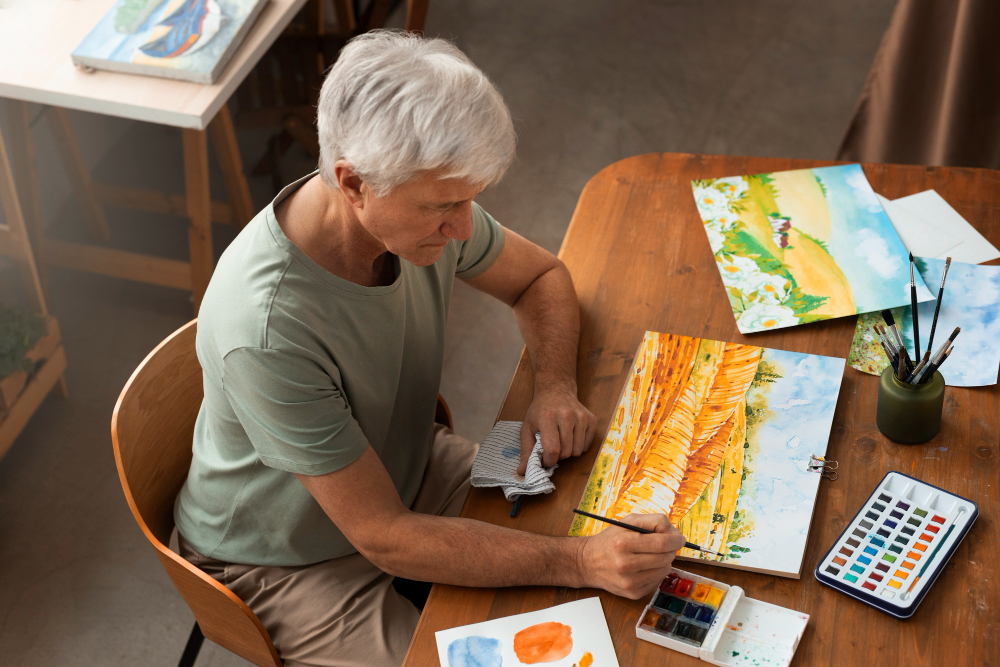
One of the easiest and most efficient tricks to begin with when starting a Paint by Number kit is to regulate the moisture of your brush. Rather than picking up paint with a completely dry brush, slightly dampen the brush.
This slight modification aids the paint to move over the canvas in a smoother fashion. Consequently, colors are more organically merged on the edges rather than creating strict lines.
Nevertheless, do not immerse the brush, as excessive water may weaken the paint and decrease its coverage. The right amount of moisture will allow the strokes to be smoother, but still add richness to the color.
2. Blend when the Paint is Still Wet
Time is also important in ensuring smooth blending. When one color is applied and allowed to dry before the next, the transition tends to be sharp. Rather, use neighboring colors when they are still a little wet.
Next, use your brush to blend the line where the two colors come together. This method is also known as wet-on-wet blending, which makes edges soft and provides progressive transitions. Your painting thus begins to look more dynamic and less divided.
3. Subtle Gradients with a Feathering Technique
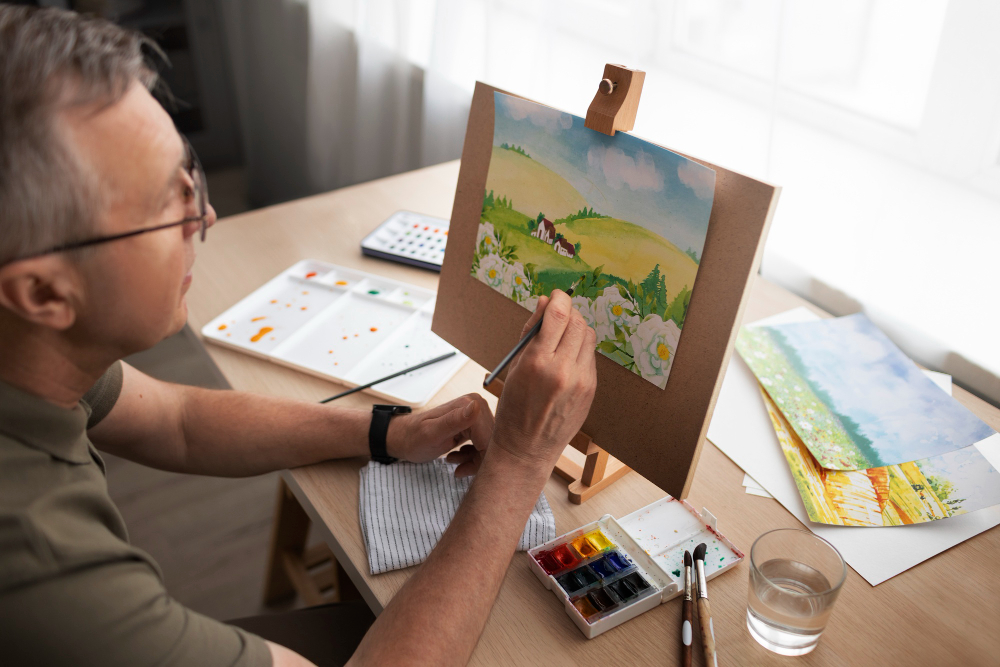
Instead of using a thick and solid stroke of paint, use a feathering motion. This is done by drawing the brush lightly in a forward and back motion at the point where two colors are going to meet.
In doing so, you draw one shade into the other without oppressing either shade. Also, this method can be used to produce smooth gradients that resemble natural light and shadow. With time, feathering can make a huge difference in the general realism of your drawing in a paint-by-numbers kit.
4. Blend Intermediate Shades by Hand
Tradable kits tend to include ready-mixed colors, although occasionally the transition between the shades seems too harsh. In these situations, making a medium color can be a big difference.
Take a little of two adjacent colors and blend them on a palette. Next, use this combination shade between the original areas. The transition thus seems more fluid and unified. This step must involve some additional effort, but it adds depth and visual harmony.
5. Use Thin Coats, Not Thick Coats
It may appear to be effective to apply thick layers of paint, but this can easily result in uneven blending. Rather, concentrate on creating the color in thin layers.
Apply in a light coat and allow to dry a bit before applying another layer. This technique will enable you to control the mixing with greater accuracy.
Moreover, layering will prevent leaving brush strokes and give a more refined finish. This strategy also provides you with enhanced control over the interaction of colors over time in a paint-by-numbers kit.
6. Clean Your Brush Between Color Changes
Switching between colors without cleaning your brush can unintentionally muddy your palette. Therefore, always rinse your brush thoroughly before picking up a new color.
A clean brush ensures that each shade remains true and vibrant. Additionally, it prevents unwanted mixing that can dull the final result. Keeping a cloth or paper towel nearby to remove excess water also helps maintain the right paint consistency throughout your entire painting process effectively.
7. Use Small Circular Motions for Seamless Blending
Instead of relying only on straight strokes, try blending colors using small circular motions. This technique works particularly well in areas where smooth gradients are essential, such as skies or skin tones.
By moving the brush in gentle circles, you distribute the paint evenly and soften transitions. Consequently, the colors merge more naturally, reducing visible lines. With practice, this method can become one of your most reliable blending tools for achieving consistently smooth and professional-looking results.
Final Thoughts
Blending colors in a paint-by-numbers kit does not require advanced artistic skills, yet it does demand thoughtful techniques and consistent practice. By adjusting brush moisture, working with wet paint, and applying feathering methods, you can significantly improve transitions between shades.
Additionally, mixing intermediate colors and building thin layers adds depth and refinement to your artwork. Equally important, maintaining clean brushes and experimenting with circular motions ensures clarity and smoothness throughout your painting.
Each of these hacks contributes to a more polished and realistic final result. As you apply these methods, your confidence will grow, and your paintings will reflect greater precision and creativity. Ultimately, mastering blending transforms a simple kit into a truly rewarding artistic experience.
