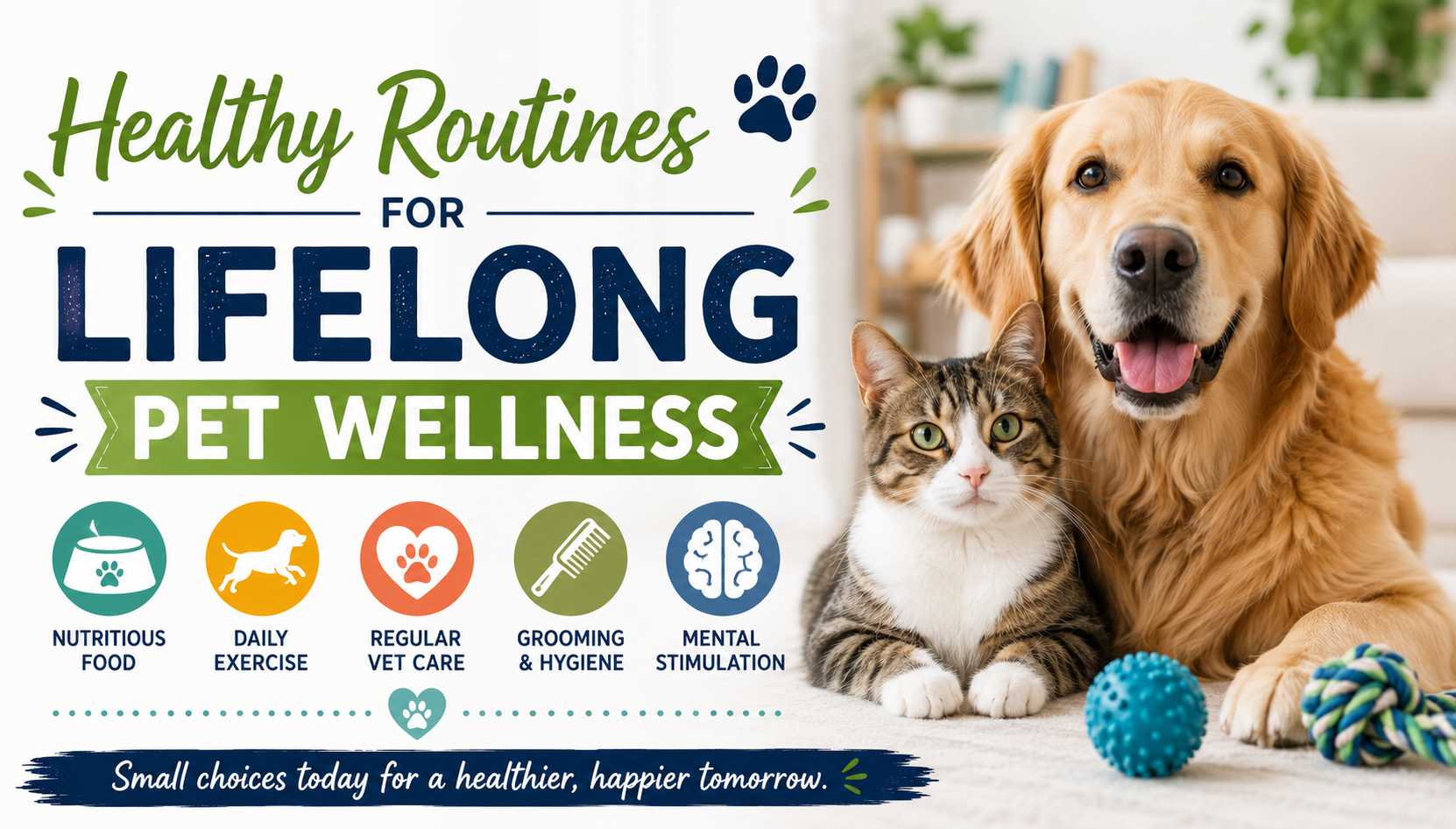
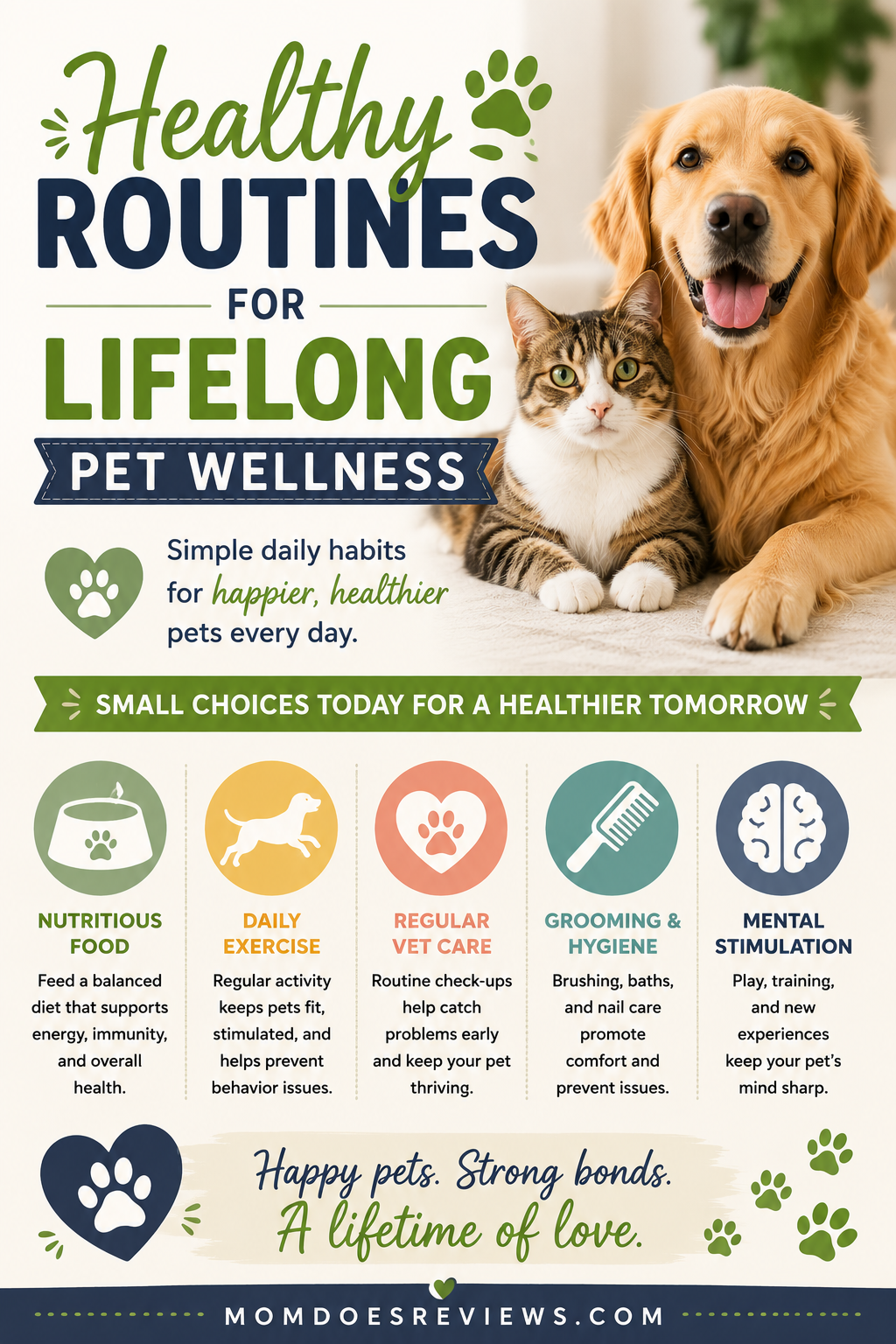
Establishing healthy habits early can play an important role in supporting lifelong pet wellness. Daily routines that include balanced nutrition, regular exercise, mental stimulation, and proper grooming help animals stay active and comfortable throughout different life stages. Consistent care also allows pet owners to notice subtle changes in behavior, appetite, or energy levels that may signal developing health concerns. Preventive measures such as vaccinations and good hygiene practices support overall pet wellness and help decrease unnecessary health risks over time.
Routine veterinary care is another essential part of responsible pet ownership, as regular assessments can help identify potential issues before they become more serious. Many owners search for services such as pet checkups near Hebron when planning preventive care appointments and monitoring their pets’ ongoing health needs. Along with medical support, maintaining a stable environment, encouraging healthy social interaction, and providing age-appropriate activities can positively influence pets’ physical and emotional wellness for years to come.
Establish a Consistent Feeding Schedule
Setting regular meal times offers more than just the comfort of routine; it supports your pet’s digestive system and prevents obesity. When you feed your pet at the same time each day, their bodies learn when to expect food, which helps regulate metabolism and energy levels. Veterinarians recommend choosing high-quality, age-appropriate foods and measuring out portions to avoid overfeeding. Avoid using table scraps or treats as a meal replacement, as this can encourage picky eating and nutritional imbalances.
It is important to note any changes in your pet’s appetite or eating habits, especially during shifts in season or lifestyle. Subtle changes may be the first sign of a health issue and should be discussed at your pet’s next veterinary appointment.
Prioritize Daily Exercise and Mental Stimulation
Daily exercise is fundamental for keeping pets healthy in body and mind. Dogs benefit from walks, runs, or trips to the dog park, while cats thrive on climbing structures, interactive toys, and scheduled play sessions. Exercise helps maintain an ideal weight, supports heart health, and keeps joints limber. Lack of physical activity often leads to destructive or anxious behaviors, particularly in intelligent or high-energy breeds.
Alongside physical exercise, structured mental activities are vital. Rotating toys weekly, using puzzle feeders, or playing hide-and-seek games can keep your pet mentally sharp while reducing stress and separation anxiety. For cats, window perches or scent-based foraging mimics their natural hunting instincts. Even basic training commands can provide valuable mental stimulation and strengthen your pet’s bond with you.
Commit to Preventive Veterinary Care
Regular veterinary care is the foundation of lifelong wellness. Annual or semi-annual wellness exams help your veterinarian catch potential issues early, before they become significant health concerns. Preventive visits typically include physical exams, updated vaccinations, parasite prevention, and lab tests suitable for your pet’s age. This is especially important in regions with a high prevalence of ticks, fleas, or heartworm, as ongoing prevention is critical to long-term health.
Maintain Dental Hygiene
Oral health often goes overlooked, but it is a crucial aspect of overall wellness. Plaque buildup and tartar can lead to periodontal disease, pain, and even serious infections that can affect major organs. Establish a daily or weekly tooth-brushing habit using pet-safe toothpaste. Pair this with regular checks during your veterinary visits to identify any issues that require professional cleaning or treatment. Chew toys and dental treats can help support oral health, but they should not replace regular brushing and veterinary exams.
Provide Mental Stimulation
Pets need outlets for their intelligence and natural behaviors. Activities such as scent games, food puzzles, “find it” games, obedience training, and agility courses are fantastic for mentally engaging your pets. This reduces the risk of boredom-based behavioral problems and helps pets feel fulfilled in their daily lives. According to the ASPCA, enrichment activities are essential for addressing and preventing common behavioral issues.
Monitor Your Pet’s Health Daily
A quick daily check of your pet’s mood, appetite, coat, and energy is one of the most effective ways to notice subtle changes that might indicate illness. Early intervention is key to effective treatment and can often prevent the escalation of small issues. If you notice sudden changes in eating, drinking, bathroom habits, or activity level, contact your veterinarian as soon as possible for a thorough evaluation.
Ensure Proper Hydration
Fresh, clean water should always be available to your pet. Proper hydration helps every system in the body function correctly, supports digestion, and aids temperature regulation. Change your pet’s water daily and clean bowls regularly to prevent bacteria buildup. For pets that are reluctant drinkers, water fountains or flavor additives can encourage increased intake.
Conclusion
Developing a healthy daily regimen for your pet positively influences every aspect of their wellness. From portion-controlled meals and routine exercise to dental upkeep and timely veterinary visits, each routine becomes an investment in your pet’s long-term happiness and vitality. Prioritize consistency and attentiveness, and your loyal companion will benefit from a higher quality of life and a stronger bond with your family.
