Embracing seasonal food shopping not only elevates the taste and nutritional profile of your meals but also supports local farmers and contributes to a more sustainable food system. By syncing your grocery choices with nature’s harvest cycles, you can enjoy produce at its peak and often benefit from better prices. If you are looking to bring a touch of country charm to your pantry, be sure to explore country store favorites to buy online for specialty items that capture the essence of seasonal living.
Seasonal eating enriches your diet with diverse flavors year-round, reconnects you with local harvests, and makes meals more meaningful. It can save money, boost sustainability, and often offers more nutrients than out-of-season or shipped produce. Shopping seasonally adds excitement and creativity to meal planning, encouraging new recipes, discoveries, and food preservation. This approach results in a dynamic, nutrient-rich meal rotation, keeping home menus fresh and inspiring as seasons change.
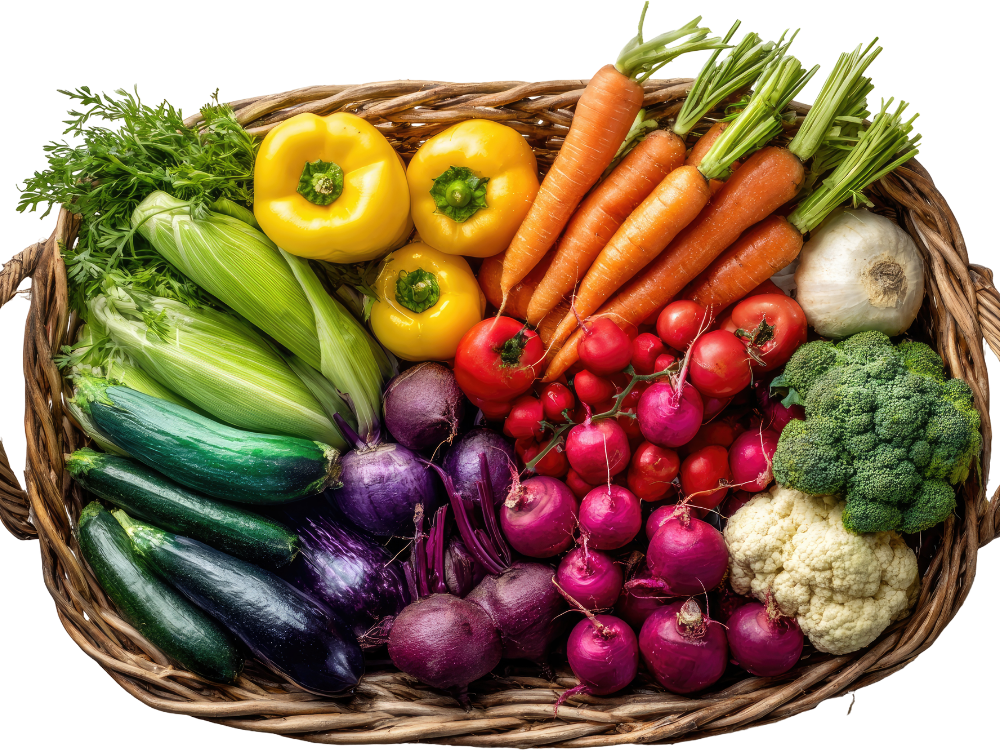
Benefits of Seasonal Eating
Eating seasonal foods offers numerous benefits for health and community well-being. Firstly, enhanced flavor and nutrition are key advantages, as produce harvested at peak ripeness, such as summer tomatoes, tends to be more flavorful and nutrient-dense than those available out of season. Secondly, cost savings are significant; seasonal foods are often less expensive due to local abundance, making it easier to manage food budgets effectively. Lastly, choosing seasonal and local products minimizes transportation emissions and supports environmentally sustainable farming practices, contributing positively to the environment.
How to Identify Seasonal Produce
Recognizing what is in season can bring variety and excitement to your typical grocery run:
- Visit Farmers’ Markets: Vendors typically sell produce freshly harvested in your area, giving you clues about what is currently in season.
- Check Grocery Store Displays: Stores often prominently feature seasonal fruits and vegetables, with dedicated signage or sales.
- Use Online Guides: Government and reputable consumer sites, such as the USDA’s Seasonal Produce Guide, break down what is in season in each region of the United States.
Seasonal Shopping Guide
Here’s a general guide to help you choose produce throughout the year:
- Spring: Look for tender asparagus, fresh peas, peppery radishes, and sweet strawberries as warm, sunny days arrive.
- Summer: Tomatoes, zucchini, cucumbers, and all sorts of berries reach their peak, offering endless options for cool and refreshing meals.
- Fall: Enjoy the start of apple season, robust squash varieties, and hearty greens like broccoli and cauliflower.
- Winter: Rely on vitamin C-rich citrus fruits, along with nourishing root vegetables such as carrots and sweet potatoes to round out your diet.
Remember, these specifics may shift slightly depending on your local climate and growing conditions.
Tips for Shopping Seasonally
Making the most of seasonal shopping can be easier than you think:
- Meal Plan Around What’s Available: Let the local bounty guide your recipe choices instead of the other way around.
- Learn Preservation Techniques: Techniques like freezing, canning, or fermenting can help you savor the best of each season even when those foods are no longer available fresh.
- Try Something New: If your favorites are out of stock, pick up an unfamiliar item at the market and challenge yourself to find a tasty way to use it.

Meal Planning with Seasonal Produce
Incorporating seasonal ingredients into meal planning offers both rewards and practical benefits. In spring, tender peas and asparagus can be tossed with pasta or added to fresh salads. Summer calls for blending berries into smoothies, making refreshing salsas, and grilling zucchini and tomatoes. In the fall, hearty squashes are perfect for roasting in soups and casseroles, while apples can be celebrated in crisps and homemade sauces. During winter, simmer root vegetables in warming stews and enhance desserts with zesty citrus fruits.
Conclusion
Shopping for and cooking with seasonal foods can enhance the flavor of your meals, help you save money, and support the hard work of local farmers. Start your adventure into seasonal eating by visiting a local farmers’ market or planning your next meal around what is naturally available in your area. With each season, your taste buds and your wallet will thank you. Seasonal ingredients are often fresher and more nutrient-dense because they are harvested at their peak ripeness. Embracing seasonal eating can also inspire greater variety in your meals, encouraging healthier, more creative cooking throughout the year.

Üsküdar Robotik Su Kaçağı Tespiti Üsküdar su kaçağı tespiti hizmeti güven verdi. https://neorural.es/read-blog/3680