Understanding Whole Home Electrification
Whole home electrification means replacing appliances and systems that traditionally rely on fossil fuels with efficient electric alternatives. This transition spans heating, cooling, water heating, cooking, and even vehicle charging. By choosing home electrification, homeowners can create more energy-efficient residences that contribute to a cleaner, safer environment.
Electrification goes beyond swapping out individual devices. It takes a holistic approach, transforming how homes use and manage energy. By doing so, property owners can minimize their carbon footprint while securing long-term savings and improving indoor air quality.
Financial Advantages
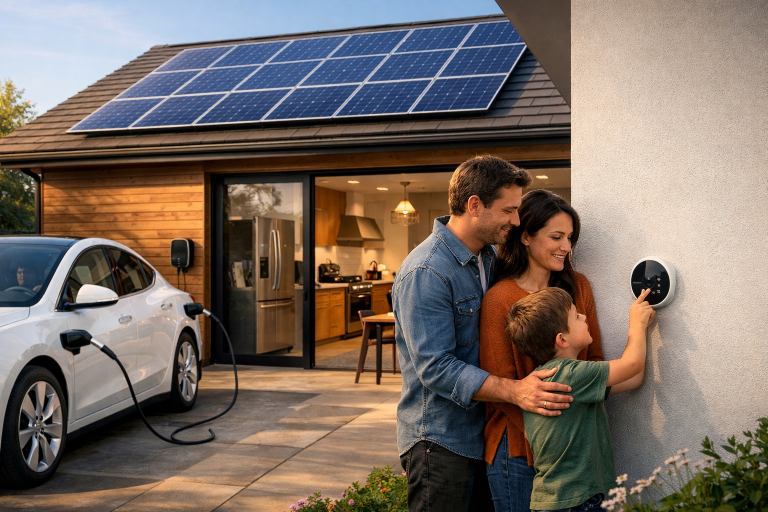
One of the main catalysts for home electrification is the potential for cost savings. The latest electric heat pump water heaters save homeowners an average of $330 per year compared to conventional systems. Upgrading to a modern, all-electric HVAC system can slash energy bills by as much as $1,000 each year. Newly constructed electrified homes especially benefit, sidestepping the average $6,000 upfront cost for gas line hookups and saving between $130 to $540 annually over older homes reliant on gas.
While there may be some initial investment, various incentives, rebates, and accessible financing options are available to mitigate costs. These financial advantages, paired with lower ongoing energy bills, make the shift to electric technologies a practical choice for the long term.
Environmental Impact
Choosing to electrify a home delivers significant environmental benefits. Electrification enables a shift away from fossil fuels, which are the primary source of greenhouse gas emissions in the residential sector. According to the U.S. Environmental Protection Agency, residential and commercial buildings account for about 13 percent of total greenhouse gas emissions in the United States.
This means switching to electric energy, especially when sourced from renewables like wind or solar, can greatly reduce a home’s environmental impact. Every electric appliance that replaces a gas-fueled counterpart helps limit both onsite and upstream emissions, benefiting both the household and the broader community.
Enhanced Home Comfort and Health
Home comfort and resident health are two important but sometimes overlooked benefits of electrifying homes. Modern electric appliances deliver more uniform and precise control for heating and cooling, resulting in improved comfort throughout the year. Additionally, eliminating combustion in appliances such as furnaces or gas stoves means fewer indoor pollutants. This translates directly to better respiratory health and reduced risk of asthma, allergies, and other issues linked to poor indoor air quality.
Technological Innovations Facilitating Electrification
Rapid technological advancements are smoothing the path toward whole-home electrification. Smart panels, high-efficiency heat pumps, and advanced electric water heaters are not only cutting-edge but affordable and simple to install. Companies like Siemens have developed load management solutions such as the Inhab® Load Manager, which lets homeowners integrate high-powered devices, like electric vehicles and heat pumps, without expensive overhauls to their electrical infrastructure.
Other innovations, including smart thermostats, induction cooktops, and battery storage, help manage fluctuating energy needs. These technologies ensure increased efficiency and allow homeowners to further control when and how they use electricity, maximizing both comfort and cost savings.
Supportive Policies and Programs
Various federal, state, and utility-backed programs are boosting accessibility for home electrification, especially for low- and moderate-income households. For instance, ComEd’s Whole Home Electrification program in Illinois has successfully transitioned 450 homes to full electrification, providing no-cost appliances and retrofits to qualified residents. This model demonstrates an industry commitment to equitable energy solutions that leave no one behind.
Additional incentives, such as tax credits under the Inflation Reduction Act, are increasingly being implemented to encourage faster adoption. Guidance from trusted organizations, such as the U.S. Department of Energy, provides useful information for homeowners considering making the leap to electric systems.
Challenges and Considerations
Despite its clear benefits, home electrification isn’t without hurdles. Upfront costs, local availability of contractors, and limits of existing electrical systems can all pose challenges. However, innovations in smart panel management and expanded upgrade incentives are rapidly breaking down these barriers. Careful planning, including a full home energy assessment, can help homeowners prioritize investments and take advantage of available programs, while ensuring the existing electrical infrastructure is up to the task.
It’s also worth considering the energy mix of your regional utility. In areas where the grid is still largely powered by fossil fuels, the climate benefits of electrification will continue to grow as utilities transition to cleaner energy sources in the coming years.
Conclusion
Whole home electrification delivers advantages across the board, from cost savings and increased comfort to significant environmental health improvements. Rapid technological development and supportive policies are reducing both the upfront investment and complexity associated with electrifying your home. As these trends accelerate, making the transition is a forward-thinking step toward a more sustainable, comfortable, and cost-effective household.
