Embarking on a sewing journey is an exciting way to express creativity and craftsmanship. One of the most crucial steps in this process is choosing the right fabric for your project. Your choice of fabric can shape the entire outcome. The right fabric not only enhances your sewing experience but also leads to professional-looking results. For beginners and seasoned sewists, understanding fabric selection is a pivotal skill that pays off with every project. If you are looking for sustainable options, consider GOTS-certified organic cotton mesh fabric in Canada for eco-friendly, versatile sewing materials.
The wrong fabric can result in frustration, wasted time, and a garment or item that falls short of expectations. Matching the pattern, purpose, and season with the right textile enhances both the enjoyment of sewing and the end quality. Awareness of fiber types, weights, and characteristics can help prevent common pitfalls and make the creative process more enjoyable.
Before diving into specific fabrics and technical considerations, familiarize yourself with your project’s needs. This includes analyzing the intended wear, function, and care requirements. By making informed choices early on, you’ll set yourself up for sewing success, whether you’re making clothing, accessories, or home décor.
Understanding Fabric Types
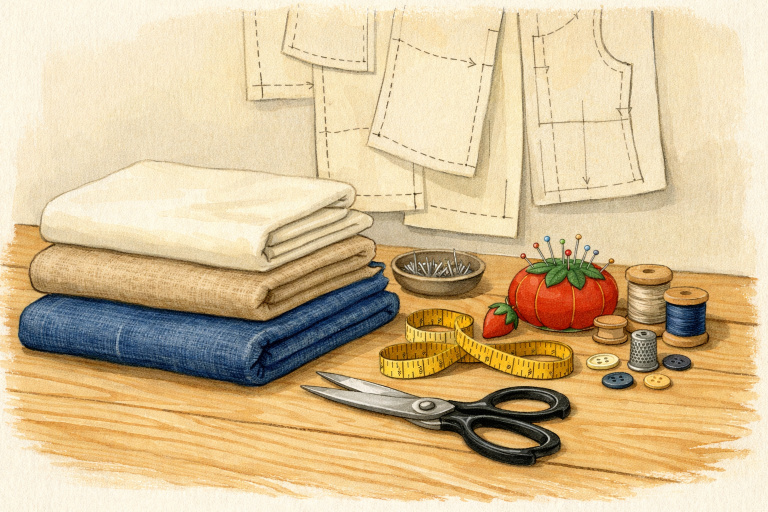
Fabrics fall into two main categories: woven and knit. Woven fabrics are made by interlacing two sets of threads at right angles, resulting in a stable structure with limited stretch. Classic examples include cotton poplin, denim, and linen, which are great for garments that require structure, such as shirts, dresses, or table linens. Knit fabrics, produced by looping threads together, offer more stretch and drape, making them perfect for activewear, t-shirts, or leggings. Your selection between woven and knit depends largely on the pattern and intended fit of your finished garment.
Considering Fabric Weight and Drape
Fabric weight is a measure of thickness and heaviness, commonly expressed in grams per square meter (GSM) or ounces per yard. Lightweight fabrics such as voile, lawn, and chiffon are ideal for airy blouses and summer dresses. Medium-weight fabrics like broadcloth or flannel provide more structure, suitable for shirts or light jackets. Heavyweight fabrics, such as denim or canvas, offer durability and warmth, making them ideal for jeans, outerwear, and home décor projects. Drape, the way fabric hangs, influences the silhouette of your finished item. Fabrics with soft drape, such as rayon or silk, are ideal for flowing garments, while stiffer fabrics add volume and structure.
Matching Fabric to Your Project
Every sewing pattern specifies certain fabric types that will yield the best results. For example, a breezy summer dress pattern often calls for cotton lawn or rayon challis due to their lightness and flattering drape. Outerwear and structured garments, on the other hand, require heavier, more stable fabrics such as wool, twill, or heavy knits. Consider the season, intended use, and care needs of the item you are sewing. Breathable, moisture-wicking fabrics are best for summer, while insulated or water-resistant materials are ideal for cold-weather or utility pieces. Approaching each project with thoughtful fabric selection can dramatically enhance the comfort, fit, and longevity of your handmade items.
Beginner-Friendly Fabrics
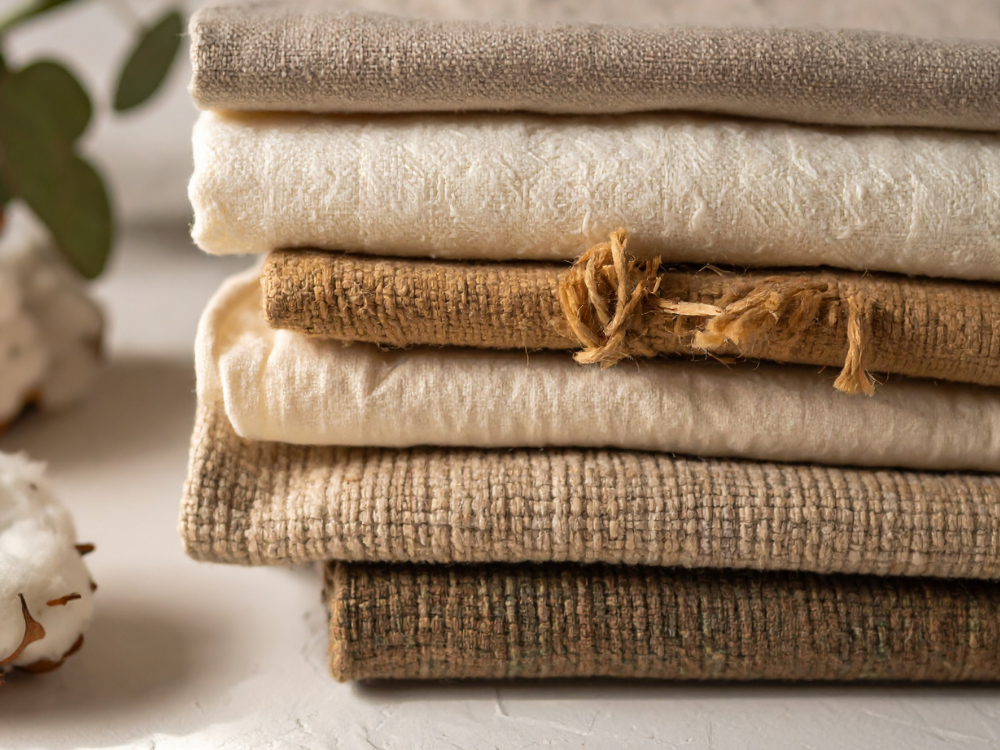
Starting with fabrics that are easy to handle is a great way for beginners to build foundational skills. Cotton is universally recommended for its stability, affordability, and wide availability. It resists slipping under the presser foot and presses crisply for precise seams. Quilting cotton, in particular, is slightly stiffer, making it exceptionally beginner-friendly for both clothing and craft projects. Linen is another good choice for its easy handling, though it wrinkles more than cotton. These fabrics allow you to focus on mastering basic techniques without wrestling with slippage or stretching.
Fabrics to Approach with Caution
Challenging fabrics can frustrate beginners and lead to discouraging results. Silk and satin, while beautifully lustrous, are slippery to cut and pin, requiring special tools and patience. Stretch knits, though comfortable to wear, can stretch out of shape if mishandled and often need specialty needles and stitches. Heavyweight fabrics like denim, canvas, or upholstery textiles require sturdy machinery and needles, and can be difficult to maneuver, especially at seams and corners. As you gain experience, gradually introduce these tricky textiles, but for initial projects, opt for more forgiving materials.
Tips for Fabric Shopping
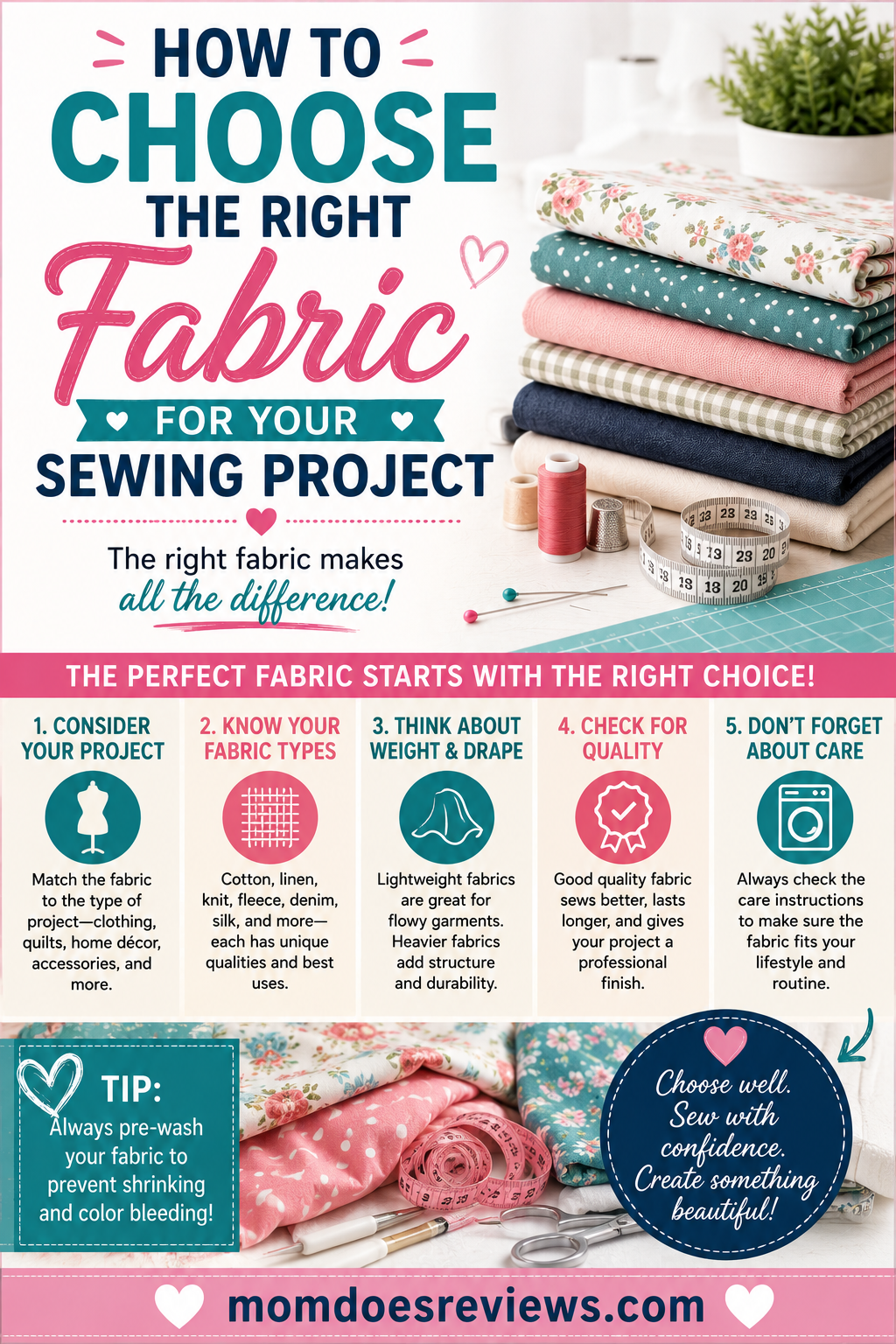
Whether shopping online or in-store, always check the recommended fabric list in your sewing pattern. Pattern designers test their designs with specific fabric weights and types for optimal fit and feel. If possible, handle the fabric in person to assess its texture, stretch, and drape. Consider how the fabric will need to be laundered and whether you are comfortable with those requirements. Finally, purchasing a small sample, or swatch, can prevent costly mistakes when ordering online.
Preparing Fabric Before Sewing
Never skip the essential step of preparing the right fabric before cutting and sewing. Pre-washing allows any potential shrinkage to occur before constructing the garment and removes manufacturing residues. Ironing ensures your fabric is smooth and makes cutting pattern pieces more accurate. If combining different fabrics, test for colorfastness to ensure there is no color bleeding during future washes. Taking time during this preparatory phase safeguards your project from preventable issues down the line.
Conclusion
Selecting the right fabric is foundational to sewing success. From understanding fabric types to evaluating weight and drape, each decision impacts the ease of construction and final look. By thoughtfully matching your fabric to your project, starting with beginner-friendly textiles, and ensuring proper preparation, you can enjoy a smoother sewing experience and a more satisfying outcome. Every project is an opportunity to learn and refine your choices, making each finished piece uniquely rewarding.
