The Strategic Value of Curb Appeal and Home Functionality
A home’s exterior is far more than just its outer shell; it’s a powerful statement that shapes perceptions, influences market value, and significantly impacts daily living. In May 2026, as homeowners continue to prioritize both aesthetics and efficiency, understanding the strategic value of curb appeal and home functionality has never been more crucial.
Curb appeal, at its core, is the visual attractiveness of a property as seen from the street. It encompasses everything from the landscaping and driveway to the front door, windows, and roof. This initial visual impression is remarkably potent, often dictating how potential buyers perceive the entire property. When a home presents a well-maintained and inviting exterior, it immediately suggests that the interior is likely to be cared for with similar diligence. Conversely, a neglected exterior can lead to assumptions of underlying issues, even if the inside is pristine. This psychological impact on buyer decisions is profound; an attractive exterior makes prospective buyers eager to see what lies within, setting a positive tone before they even step foot through the door.

Beyond first impressions, curb appeal directly correlates with a home’s marketability and resale potential. Real estate studies consistently highlight this connection. For instance, homes with high curb appeal tend to sell for an average of seven percent more than similar properties with a less inviting exterior. In slower real estate markets, this premium can jump even higher, reaching up to 14 percent. This means that for a home valued at $300,000, strong curb appeal could add an impressive $15,000 to $45,000 to its sale price. The consensus among real estate professionals is clear: an overwhelming 99% of realtors believe that strong curb appeal attracts serious buyers. This isn’t just about superficial beauty; it’s about signaling quality, care, and investment.
Functionality, however, is the silent partner to curb appeal, ensuring that the visual appeal is backed by practical benefits. A home’s exterior elements contribute significantly to its structural integrity, providing essential protection against the elements. Well-maintained siding and roofing, for example, offer crucial thermal insulation, contributing to energy efficiency and lower utility bills. They also play a role in soundproofing, creating a more peaceful indoor environment. Furthermore, robust doors, secure windows, and adequate exterior lighting enhance safety and security, providing peace of mind for residents.
The benefits extend beyond individual homes to the entire community. When properties exhibit strong curb appeal, it fosters neighborhood pride, creating a more desirable and cohesive environment for everyone. For homeowners, the advantages are not solely financial; there’s immense personal satisfaction in living in a beautiful, well-functioning space. A thoughtfully designed exterior, where aesthetics and practicality are in architectural harmony, enhances daily life and provides a welcoming atmosphere for both residents and visitors. Investing in these exterior elements is not merely an expense; it’s a strategic decision that yields significant returns, both tangible and intangible. To understand the broader economic impact and data-driven insights into property value, exploring resources like the National Association of Realtors data on exterior value can provide invaluable context.
Landscaping as a Foundation for Aesthetic and Environmental Performance
Landscaping is arguably the most dynamic element of a home’s exterior, offering endless possibilities to enhance both aesthetic appeal and practical functionality. It’s the living canvas that frames your home, setting the tone and contributing significantly to its overall character. A well-designed landscape goes beyond just pretty flowers; it’s a foundational component that impacts everything from property value to environmental sustainability.
At the heart of effective landscaping is a balanced approach to hardscaping and softscaping. Hardscaping elements, such as pathways, patios, retaining walls, and decorative stones, provide structure and define outdoor living spaces. These elements guide visitors, create usable areas, and can even help manage water runoff. Complementing these are softscaping elements – the plants, trees, and shrubs that bring life and color to the yard. When designed thoughtfully, these elements work in concert to create a cohesive and welcoming environment.
The choice of plants is paramount, and considering factors like soil health and proper drainage systems is crucial for their longevity and vitality. Mulching, often overlooked, is a simple yet highly effective practice that contributes to soil health, suppresses weeds, and retains moisture, reducing the need for frequent watering. This is particularly important for maintaining vibrant greenery through various seasons.
Well-designed landscaping can significantly increase a home’s value, with studies suggesting an increase of 10-12%. This substantial return on investment highlights landscaping as a powerful tool for property enhancement. Beyond financial gains, landscaping offers continuous seasonal interest, with flowering shrubs providing bursts of color in spring and summer, and evergreens offering structure and vibrancy throughout the colder months. Foundation plantings soften architectural lines, while privacy hedges offer seclusion and define property boundaries.
In May 2026, sustainable design principles are gaining increasing traction. This involves selecting plants appropriate for the local climate, minimizing water usage, and incorporating permeable surfaces in hardscaping to reduce stormwater runoff. These practices not only benefit the environment but also contribute to a low-maintenance, resilient landscape that thrives with minimal intervention. For homeowners in areas like Lutz, Florida, where climate and local flora play a significant role, seeking guidance on Lutz curb appeal enhancement can provide tailored solutions for creating a landscape that is both beautiful and sustainable.
Enhancing Curb Appeal and Home Functionality with Native Flora
When planning a landscape that truly excels in both aesthetics and environmental performance, incorporating native flora is a strategy that offers multifaceted benefits. Native plants are indigenous to a specific region, meaning they have evolved to thrive in the local climate, soil conditions, and rainfall patterns. This inherent adaptability makes them an ideal choice for homeowners seeking a beautiful, low-maintenance, and eco-conscious landscape.
One of the most significant advantages of native plants is their drought resistance. Once established, they typically require less supplemental watering compared to non-native species, making them a cornerstone of water conservation efforts. This is particularly vital in regions prone to water restrictions or extended dry periods. By choosing native species, homeowners can significantly reduce their water footprint while still enjoying a lush, vibrant garden.
Beyond water savings, native flora plays a crucial role in supporting the local ecosystem. These plants provide essential food and habitat for native wildlife, including birds, butterflies, and beneficial insects. Creating pollinator gardens with native flowers not only adds beauty but also contributes to biodiversity, helping to sustain local insect populations that are vital for broader ecological health.
The low-maintenance nature of native greenery is another compelling benefit. Because they are well-suited to the environment, native plants are often more resistant to local pests and diseases, reducing the need for chemical treatments. They also require less fertilization and pruning, freeing up homeowners’ time and resources. This translates into a landscape that maintains its aesthetic appeal with minimal effort, offering long-term beauty and functionality.
Native plants also contribute to soil stabilization, especially on sloped terrains, and can help prevent erosion. Their root systems are often robust and deeply established, holding soil in place more effectively than many non-native alternatives. Aesthetically, native flora can provide year-round texture and interest, with a succession of blooms, interesting foliage, and seed heads that offer visual appeal throughout the seasons. Incorporating deciduous trees for seasonal color and perennial borders for consistent bloom cycles, all while utilizing native species, ensures a landscape that is both stunning and intrinsically connected to its environment.
Maximizing Facade Impact with Advanced Garage Solutions
The garage door, often the largest single feature on a home’s exterior, plays an outsized role in defining its curb appeal and overall functionality. It can account for up to 40% of the visible facade, making its design, condition, and operational efficiency critical to the property’s first impression and daily utility. In May 2026, homeowners are increasingly recognizing the garage door as a key component for both aesthetic enhancement and practical improvement.
A modern, well-maintained garage door significantly elevates a home’s curb appeal. It can complement the architectural style, add a touch of sophistication, or even become a focal point with a distinctive design. Beyond aesthetics, advanced garage solutions offer substantial functional benefits. Security features have evolved, with robust materials and integrated locking mechanisms providing enhanced protection for vehicles and stored belongings.
Insulation is another critical functional aspect. An insulated garage door, measured by its R-value, helps regulate the temperature within the garage, which can have a ripple effect on the energy efficiency of the entire home, especially for attached garages. This is particularly important in climates with extreme temperature fluctuations. For example, an insulated garage door can keep a garage 10-20 degrees cooler in summer and warmer in winter, translating into noticeable energy savings.
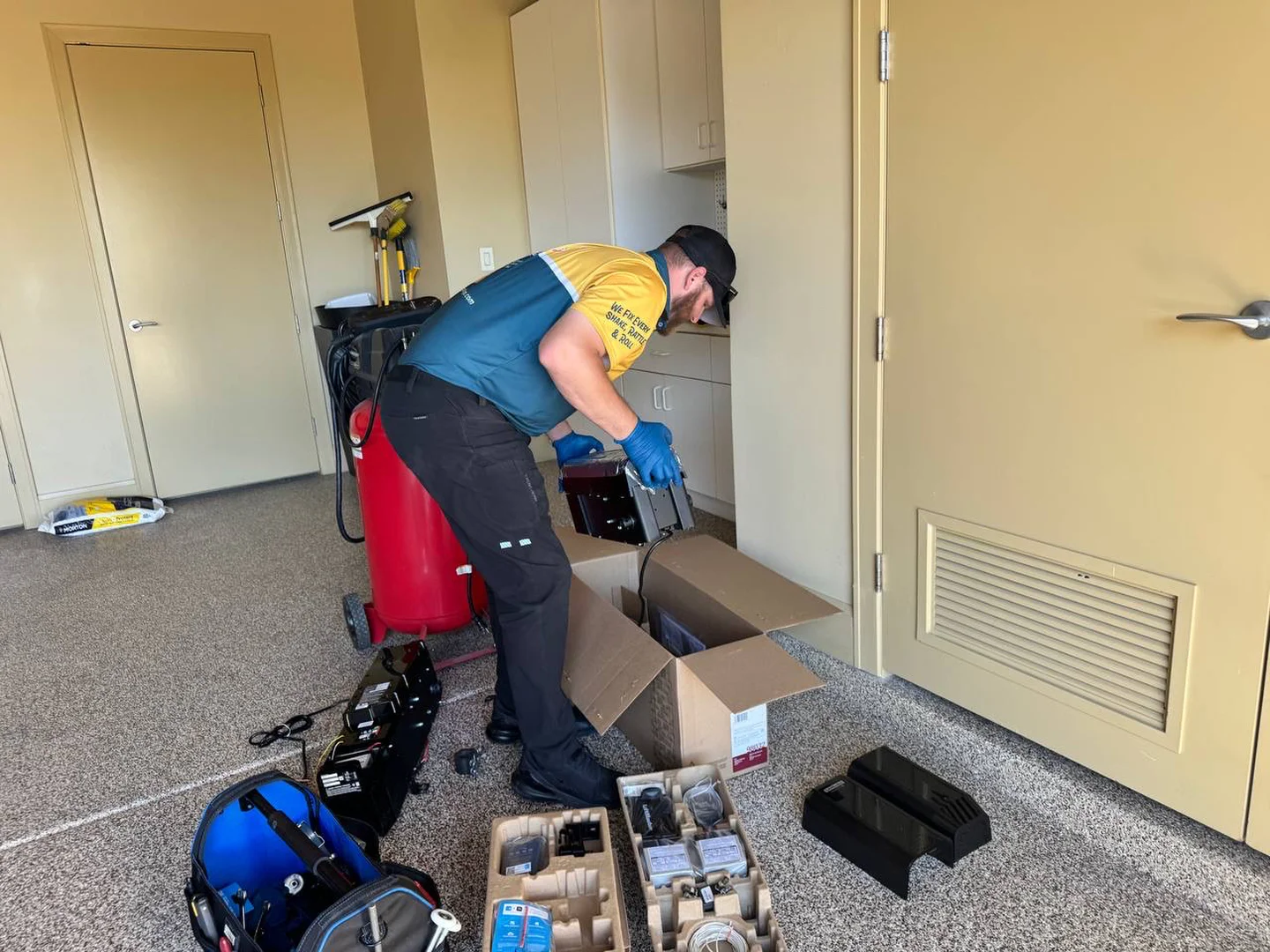
Investing in a new garage door is also a high-ROI improvement. While a new steel entry door offers 90-100% cost recoupment at resale, garage door replacement is right behind it, typically recouping 93-97% of its cost. This makes it one of the most cost-effective exterior upgrades a homeowner can undertake.
For residents in the High Desert region, including areas like Victorville, the demands on a garage door are unique. The intense UV exposure, significant temperature swings, and occasional high winds necessitate durable materials and expert installation to ensure longevity and reliable performance. This is where the expertise of a professional team becomes invaluable. When considering upgrades or repairs, seeking Expert garage door installation is crucial for ensuring that the door is not only aesthetically pleasing but also built to withstand the specific environmental challenges of the High Desert.
Professional services in the Victorville service area, for example, often emphasize High Desert durability in their workmanship, utilizing licensed technicians who understand the local climate’s impact. Many reputable providers, often family-owned, offer comprehensive services including same-day service and emergency repairs, underscoring their commitment to reliable functionality.
Beyond the physical door, advancements in opener technology and smart home integration have transformed the garage into a more convenient and secure space. Wi-Fi-enabled openers allow homeowners to control and monitor their garage door remotely via smartphone, grant temporary access, and even integrate with voice control systems. This blend of enhanced curb appeal, robust security, energy efficiency, and smart technology makes advanced garage solutions a cornerstone of modern home functionality.
Balancing Curb Appeal and Home Functionality in High Desert Climates
The High Desert climate presents a unique set of challenges for exterior home components, particularly garage doors. Balancing the desire for strong curb appeal with the need for robust functionality requires careful consideration of materials, design, and installation techniques.
The relentless desert heat and intense UV exposure are primary concerns. Materials that might perform well in milder climates can quickly degrade, fade, or warp under the High Desert sun. This necessitates the selection of garage doors made from durable, heat-resistant materials such as steel with UV-resistant finishes or aluminum frames. These materials are less prone to cracking, peeling, or significant discoloration, ensuring the door maintains its aesthetic integrity for years.
Dust resistance is another critical factor. The arid environment often brings dust storms, which can impact the smooth operation of garage door mechanisms and accumulate on surfaces, detracting from curb appeal. Proper weather stripping around the garage door frame creates a tighter seal, minimizing dust infiltration and helping to maintain a cleaner, more efficient garage space.
Furthermore, the High Desert is known for its significant elevation changes and occasional strong winds. A garage door must be engineered to withstand these forces without compromising its structural integrity or operational reliability. Reinforced panels and robust tracking systems are essential for enduring wind loads.
Thermal barriers are also vital for functionality. While insulation (R-value) helps regulate temperature, selecting doors with effective thermal breaks can further enhance energy efficiency, preventing heat transfer between the scorching exterior and the cooler interior. This is particularly beneficial for homes in Apple Valley, Hesperia, Phelan, and Barstow, where summer temperatures can soar, and winter nights can be surprisingly cold.
When choosing a garage door in these conditions, material selection is key. Steel doors are popular for their strength, durability, and wide range of finish options. Aluminum frames, often combined with glass panels, offer a modern aesthetic and are naturally resistant to rust. The longevity of the finish is also paramount; baked-on paint or powder coatings offer superior resistance to fading and chipping compared to standard paints. By prioritizing these climate-specific considerations, homeowners can ensure their garage door not only enhances curb appeal but also delivers reliable, energy-efficient performance tailored to the High Desert environment.
Maintenance Protocols for Sustained Property Value
Maintaining a home’s exterior is not merely about preserving its appearance; it’s a proactive investment in its longevity, functionality, and overall value. Regular maintenance protocols are essential for sustaining curb appeal and preventing minor issues from escalating into costly repairs. Think of it as preventative care for your most significant asset.
One of the simplest yet most impactful maintenance tasks is power washing. Over time, siding, driveways, and walkways can accumulate dirt, grime, mold, and mildew, dulling a home’s appearance. A thorough power wash can instantly refresh these surfaces, making them look years younger and significantly boosting curb appeal. This low-cost, high-impact update can make a home look 10 years newer, effectively signaling meticulous care to any observer.
Routine gutter cleaning is crucial for managing rainwater effectively, preventing overflow that can damage siding, foundations, and landscaping. Similarly, regular roof inspections help identify and address minor issues like loose shingles or damaged flashing before they lead to leaks and extensive interior damage. Siding repairs, such as patching small holes or replacing damaged sections, protect the home’s envelope and maintain its insulation properties.
Windows are another critical area. Ensuring they are clean and properly sealed prevents drafts, improves energy efficiency, and enhances visual clarity. Replacing worn weather stripping around windows and doors can dramatically reduce energy loss. Hardware updates, like refreshing house numbers, door handles, and lighting fixtures, are small details that collectively make a big difference in a home’s perceived quality and modernity.
Pathway safety is paramount for functionality. Repairing cracks in driveways and walkways, and ensuring adequate exterior lighting, prevents tripping hazards and enhances security after dark. Driveway sealing not only improves appearance but also protects the surface from weather damage and extends its lifespan.
As May 2026 progresses, homeowners should consider seasonal transitions in their maintenance plans. Spring is ideal for cleaning and planting, while fall is perfect for gutter cleaning and preparing for colder weather. This consistent, preventative approach ensures long-term resilience for all exterior elements. While a fresh coat of quality paint or new siding can boost a home’s value by an average of $12,500 with a 67% return on investment, consistent small maintenance efforts prevent the need for such large-scale interventions prematurely. By adhering to these maintenance protocols, homeowners can protect their investment, ensure optimal functionality, and keep their property looking its best year after year.
Frequently Asked Questions about Curb Appeal and Home Functionality
Homeowners often have questions about how best to approach exterior improvements. Here, we address some of the most common inquiries regarding curb appeal and home functionality.
How does the exterior condition of a home influence buyer perception of the interior?
The exterior condition of a home acts as a powerful predictor for potential buyers, significantly shaping their perception of the interior before they even step inside. A well-maintained exterior suggests that the current owners have taken pride in their property and invested in its upkeep. This creates an immediate impression of quality, care, and attention to detail. Buyers often assume that if the outside looks neglected—with peeling paint, overgrown landscaping, or a damaged roof—the interior might suffer from similar issues or deferred maintenance. This can lead to a subconscious bias, making them more critical of interior flaws or even causing them to overlook the property entirely. Conversely, a pristine exterior builds trust and excitement, making buyers more receptive to the interior and more likely to envision themselves living there. This positive first impression can ultimately influence their willingness to make an offer and the price they are willing to pay.
What are the most effective ways to improve property safety through exterior design?
Improving property safety through exterior design involves a multi-faceted approach that integrates security with functionality. One of the most effective strategies is enhancing outdoor lighting. Well-placed path lights, spotlights illuminating entry points, and motion-sensor floodlights deter intruders and improve visibility for residents and guests. Robust and well-maintained entry doors with secure locks are fundamental. High-quality garage doors with modern security features, including rolling code technology and auto-reverse mechanisms, also contribute significantly. Beyond these, clear and well-maintained walkways, free from cracks or obstructions, prevent falls and ensure easy navigation, especially at night. Strategic landscaping can also play a role; avoiding overgrown shrubs near windows and doors eliminates potential hiding spots, while thorny bushes can act as natural deterrents. Finally, visible, modern house numbers ensure emergency services can quickly locate the property, adding another layer of safety.
How do regional climate factors dictate the choice of exterior materials?
Regional climate factors are paramount in dictating the most appropriate and durable exterior materials for a home. For example, in areas with high humidity and frequent rainfall, materials like vinyl or fiber cement siding are often preferred over wood, as they are more resistant to rot, mold, and mildew. In contrast, homes in sunny, arid regions like the High Desert, experience intense UV exposure and extreme temperature fluctuations. Here, materials with excellent UV resistance, such as steel or stucco with specialized coatings, are crucial to prevent fading, cracking, and premature degradation. Roofing materials also vary significantly; clay tiles are excellent for heat reflection in hot climates, while asphalt shingles are a common, cost-effective choice in more temperate zones. Wind resistance is a key factor in coastal or tornado-prone areas, necessitating stronger siding and roofing attachment methods. Understanding these climate-specific demands ensures that material choices not only contribute to curb appeal but also provide long-term protection and functionality, minimizing maintenance and maximizing durability.
Conclusion
As we look towards the future from May 2026, the concept of “curb appeal and home functionality” continues to evolve, emphasizing a holistic approach to property enhancement. We’ve explored how a home’s exterior is not just an aesthetic feature but a critical component influencing first impressions, buyer decisions, and overall market value. From the initial visual impact that can add 7-14% to a home’s sale price, to the structural integrity provided by well-maintained elements, every exterior detail plays a vital role.
Thoughtful landscaping, especially with native flora, offers a sustainable path to beauty and efficiency, increasing property value by 10-12% while conserving resources. Advanced garage solutions, often the largest visible element, contribute significantly to curb appeal, security, and energy efficiency, boasting an impressive 93-97% cost recoupment at resale. These high-ROI improvements demonstrate that smart exterior investments are not merely expenses but strategic decisions that yield substantial returns.
Elevating your property is about more than just making it look good; it’s about crafting a space that is beautiful, efficient, safe, and resilient. By embracing holistic design, protecting your investment through diligent maintenance, and future-proofing your home with climate-appropriate choices and smart technology, you enhance daily living and ensure your property stands out for all the right reasons. This integrated approach to aesthetic balance and functional excellence contributes not only to individual homeowner satisfaction but also to the vibrancy and value of the entire community.
