I’m worried about my furnace failing this winter. How does regular HVAC maintenance help?
The thought of your furnace failing during New Albany’s frigid winters is enough to send shivers down any homeowner’s spine. Beyond the immediate discomfort, a malfunctioning furnace can pose significant safety risks and lead to expensive repairs. Regular, proactive HVAC maintenance is your best defense against these scenarios, transforming potential disasters into manageable adjustments. It’s not just about keeping warm; it’s about ensuring the safety, efficiency, and longevity of your home’s heating system.
When we perform routine maintenance, our primary focus is on preventative care. This involves a comprehensive inspection that addresses several critical areas:
- Safety Checks: We meticulously examine components like the heat exchanger for cracks or damage that could lead to dangerous carbon monoxide leaks. We also ensure that all gas lines and electrical connections are secure and free from potential fire hazards. Your family’s safety is paramount, and these checks are non-negotiable.
- Carbon Monoxide Detection: Furnaces produce carbon monoxide as a byproduct of combustion. A properly functioning system vents this gas safely outside. Maintenance ensures that your furnace’s ventilation system is clear and working correctly, preventing this odorless, colorless gas from accumulating in your home.
- Airflow Optimization: Proper airflow is crucial for both efficiency and comfort. We check and clean the blower motor, fan blades, and ductwork connections to ensure air moves freely throughout your home. Restricted airflow can strain your system, leading to higher energy bills and uneven heating.
- Component Wear and Tear: Over time, moving parts like belts and bearings can wear out. Our technicians inspect these components for signs of deterioration, lubricating them as needed or recommending replacements before they cause a breakdown. Addressing minor wear early prevents cascading failures that can damage major parts.
- System Longevity: A well-maintained furnace experiences less stress and operates more smoothly. This significantly extends its operational lifespan, delaying the need for costly replacements. Think of it as regular oil changes for your car – it keeps the engine running longer.
- Efficiency Gains: Dust, grime, and minor issues can drastically reduce your furnace’s efficiency. By cleaning components, calibrating settings, and optimizing performance, we help your system convert more fuel into heat, reducing your energy consumption and lowering your utility bills.
Investing in regular maintenance is an investment in your home’s comfort, safety, and financial well-being. It provides peace of mind, knowing that your heating system is prepared to tackle whatever winter throws its way.
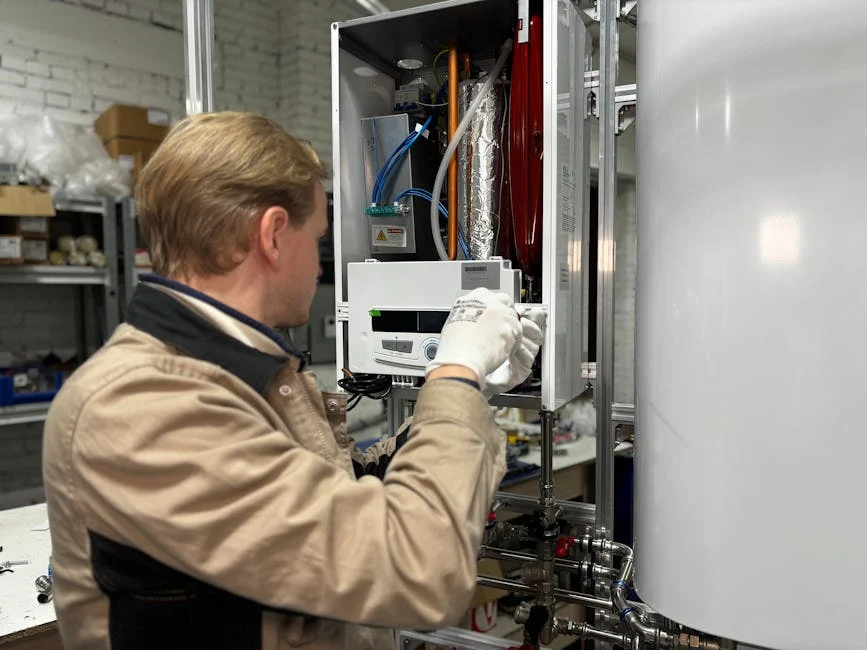
What should I expect during a professional inspection in New Albany?
When you schedule a professional furnace inspection in New Albany, you’re not just getting a quick glance at your system; you’re investing in a thorough, multi-point examination designed to optimize performance and identify potential issues. While there are some basic tasks homeowners can undertake, a professional inspection goes far deeper, leveraging specialized tools and expertise.
Here’s what you can typically expect during a comprehensive professional inspection:
- Thermostat Calibration: We verify that your thermostat is accurately reading the temperature and communicating correctly with your furnace. A miscalibrated thermostat can lead to inefficient heating and uncomfortable temperature swings.
- Lubrication of Moving Parts: Motors and fans have moving parts that require lubrication to prevent friction and wear. We apply appropriate lubricants to ensure smooth, quiet operation and extend component life.
- Coil Cleaning: For heat pumps or furnaces with integrated cooling coils, we inspect and clean them to ensure optimal heat transfer. Dirty coils can severely impede efficiency.
- Electrical Connections Tightening: Loose electrical connections can be a fire hazard and lead to intermittent system operation. We inspect and tighten all wiring and connections for safety and reliability.
- Drain Line Inspection and Clearing: For high-efficiency furnaces, condensate drain lines can become clogged, leading to water leaks and system shutdowns. We ensure these lines are clear and functioning properly.
- Filter Checks and Recommendations: While you might change your filter regularly, we assess the filter type and condition, ensuring it’s appropriate for your system and home environment, and recommend replacements as needed.
- Combustion Analysis: Using specialized equipment, we analyze the combustion process to ensure your furnace is burning fuel efficiently and safely, minimizing harmful emissions.
- Ignition System Inspection: Whether it’s a pilot light or an electronic igniter, we check its operation to ensure reliable startup.
- Safety Control Testing: We test all safety controls, such as limit switches and flame sensors, to ensure they are functioning correctly and will shut down the furnace if a hazardous condition arises.
How Homeowner Tasks Differ from Professional Inspections
Task Homeowner Responsibility Professional Inspection
- Air Filter Check and replace monthly/quarterly. Assess filter type, condition, and recommend optimal filter
- Thermostat Set desired temperature, replace batteries, Calibrate, test communication, check wiring
- Vents & Registers Keep clear of obstructions. Inspect for blockages, ensure proper airflow distribution
- Exterior Unit (AC/HP) Keep clear of debris. Clean coils, check refrigerant, inspect electrical
- System Sounds Listen for unusual noises. Diagnose source of noises, inspect internal components
- Safety Ensure carbon monoxide detectors are working. Comprehensive safety checks (CO, gas leaks, electrical)
- Internal Components Limited access, visual check only. Inspect, clean, lubricate, test all internal parts
- Performance Observe heating/cooling effectiveness. Measure airflow, temperature differentials, pressure
- Efficiency Monitor energy bills, Perform combustion analysis, optimize settings. Essential Steps for Routine HVAC Maintenance
Beyond the general inspection, routine HVAC maintenance involves several essential steps that technicians perform to ensure your system’s peak performance:
- Blower Adjustment: The blower motor is responsible for circulating air. We adjust its settings to ensure it’s moving the correct volume of air for your home’s size and ductwork configuration, optimizing comfort and efficiency.
- Ignition Assembly Check: For gas furnaces, the ignition assembly (pilot light or electronic igniter) is crucial for starting the heating cycle. We clean and test this component to prevent startup failures.
- Safety Controls Verification: Furnaces are equipped with various safety controls that prevent overheating or dangerous gas leaks. We test these controls to confirm they are operational and will correctly shut down the system if a fault is detected.
- Performance Testing: This involves monitoring the furnace’s operation through a full cycle, taking measurements like temperature rise, gas pressure, and electrical draw to ensure it’s operating within manufacturer specifications.
- System Diagnostics: Using advanced diagnostic tools, we can pinpoint subtle issues that might not be apparent during a visual inspection. This allows us to address problems proactively, before they escalate into major breakdowns.
To prepare for a maintenance visit, we recommend clearing the area around your furnace for easy access. If you have pets, consider securing them in another room to ensure their safety and allow our technicians to work efficiently. This simple preparation helps us provide the most thorough and effective service possible.
Is 24-hour emergency support necessary for my home’s heating system?
In New Albany, IN, where winter temperatures can plunge well below freezing, 24-hour emergency furnace support isn’t just a convenience—it’s often a necessity. A sudden furnace failure during extreme weather can quickly turn into a critical situation, especially for households with young children, the elderly, or individuals with health conditions.
The unpredictable climate of Southern Indiana means that a heating system can go from perfectly fine to completely non-functional without warning. When this happens, waiting until business hours for a repair isn’t an option. Rapid response is crucial to prevent pipes from freezing, maintain safe indoor temperatures, and restore comfort and peace of mind. Emergency repairs ensure that your home remains a safe haven, no matter the hour or the weather outside.
Choosing a company that offers comprehensive New Albany 24-hour HVAC maintenance means you have a reliable partner ready to act immediately. This level of service provides immense benefits:
- Immediate Relief: When your furnace stops working, an emergency service can dispatch a technician quickly, often within hours, to diagnose and resolve the issue.
- Preventative Damage: Prompt repair can prevent secondary damage, such as frozen pipes or structural issues caused by prolonged exposure to cold temperatures.
- Safety Assurance: Many furnace malfunctions, such as gas leaks or electrical issues, pose serious safety risks. Emergency technicians are trained to handle these situations safely and effectively.
- Peace of Mind: Knowing that professional help is available around the clock alleviates the stress and anxiety associated with unexpected heating breakdowns.
While standard maintenance appointments are scheduled during regular business hours for routine checks and preventative measures, 24-hour emergency maintenance is specifically designed for unexpected, urgent situations that cannot wait. These services prioritize immediate response times to address critical failures, ensuring your home’s heating is restored as quickly as possible.
Identifying Signs for Urgent HVAC Maintenance
Knowing when to call for 24-hour emergency service can save you from prolonged discomfort and potential hazards. Here are the key signs that indicate your furnace needs immediate attention:
- Strange Noises: Loud banging, screeching, grinding, or persistent rumbling sounds often point to serious mechanical problems, such as a failing motor, loose components, or a cracked heat exchanger. These noises should never be ignored.
- Burning Odors or Gas Smells: While a slight burning smell might occur when a furnace is first turned on after a long period, a persistent or strong burning odor, especially one resembling melting plastic or electrical components, is a red flag. A distinct sulfur or rotten egg smell indicates a gas leak, which is extremely dangerous and requires immediate evacuation and a call to both your gas company and emergency HVAC services.
- Frequent Cycling or No Heat: If your furnace turns on and off constantly (short cycling) or fails to produce any heat despite the thermostat being set, it’s a clear sign of a significant issue. This could be due to a faulty thermostat, a clogged filter, or a more serious internal malfunction.
- Inconsistent or No Heat: If some rooms are warm while others are cold, or if your furnace is running but the air coming out of the vents is cool, the system is not functioning correctly. This could indicate a problem with the burner, blower, or ductwork.
If you encounter any of these serious issues, it’s crucial to act quickly. Shut down your furnace if you suspect a gas leak or electrical problem, and contact emergency services immediately.
Frequently Asked Questions about HVAC Maintenance
Maintaining your home’s heating, ventilation, and air conditioning (HVAC) system can seem daunting, but understanding the basics can empower you to make informed decisions. Here, we address some common questions homeowners have about HVAC maintenance.
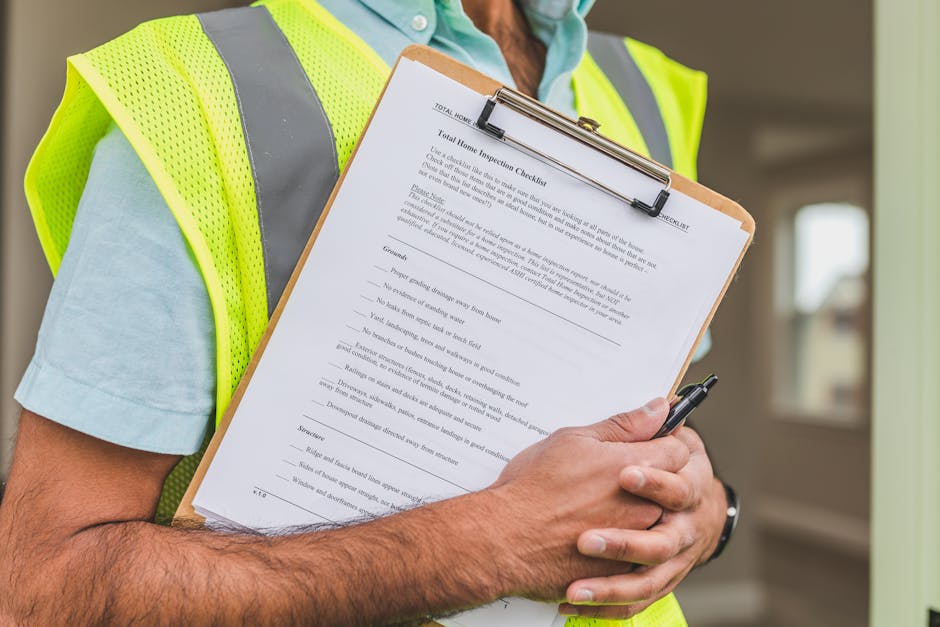
How often should I schedule a professional tune-up?
We generally recommend scheduling professional HVAC tune-ups at least once a year. For optimal performance and to address both heating and cooling needs, many homeowners opt for two annual visits: one in the fall for their furnace and one in the spring for their air conditioner. This proactive approach ensures that each system is ready for the demands of its respective season, helping to prevent unexpected breakdowns when you need your HVAC system most. Regular maintenance also helps maintain system efficiency, which can lead to lower energy bills and a more comfortable home environment.
What are the most common signs of furnace trouble?
Recognizing the early warning signs of furnace trouble can help you address issues before they escalate into major problems. Some of the most common indicators include:
- Unusual Noises: Banging, rattling, squealing, or grinding sounds from your furnace are often signs of mechanical issues, such as a loose belt, a failing motor, or a cracked heat exchanger.
- Strange Odors: A persistent burning smell (like dust burning off) or, more critically, a sulfur or rotten egg smell (indicating a gas leak) warrants immediate attention.
- Inconsistent Heating: If some rooms are significantly colder than others, or if your furnace struggles to maintain the set temperature, there might be an issue with the system’s ability to distribute heat effectively.
- Frequent Cycling: A furnace that turns on and off too frequently (short cycling) is often inefficient and could be a sign of a clogged filter, a faulty thermostat, or an oversized unit.
- Higher Energy Bills: A sudden and unexplained spike in your heating costs without a change in usage or outdoor temperatures can indicate that your furnace is losing efficiency and working harder than it should.
- Yellow Pilot Light (for older models): A healthy pilot light should be blue. A yellow or flickering pilot light can indicate incomplete combustion, which can produce carbon monoxide.
If you notice any of these signs, it’s wise to contact a professional HVAC technician for a diagnostic check.
Can regular service extend the life of my system?
Absolutely. Regular service is one of the most effective ways to extend the operational life of your HVAC system. Just like a car needs routine oil changes and tune-ups to run smoothly for years, your furnace benefits immensely from annual maintenance. Here’s how:
- Reduced Wear and Tear: Maintenance involves cleaning, lubricating, and adjusting components, which reduces friction and strain on the system. This prevents parts from wearing out prematurely.
- Early Problem Detection: Technicians can identify and address minor issues, such as loose wires or small leaks, before they develop into major, system-damaging failures.
- Optimized Performance: A well-maintained system operates more efficiently, meaning it doesn’t have to work as hard to heat your home. Less strain on the system translates to a longer lifespan.
- Validation of Warranty: Many HVAC manufacturers require proof of annual professional maintenance to keep your warranty valid. Neglecting service could void your warranty, leaving you responsible for the full cost of major repairs.
By consistently investing in regular maintenance, you can expect your furnace to last closer to its maximum potential lifespan, providing reliable warmth for many years to come.
Conclusion
Ensuring the reliability of your home’s heating system is paramount, especially when facing the unpredictable winters of New Albany, IN. Regular furnace maintenance is not merely a suggestion; it’s a crucial component of homeownership that contributes significantly to your family’s comfort and safety. By proactively addressing potential issues, you safeguard against unexpected breakdowns, prolong the life of your equipment, and maintain optimal energy efficiency.
Embracing a schedule of preventative care helps you avoid the stress and expense of emergency repairs, while also preserving your home’s value. From meticulous safety checks that protect against carbon monoxide hazards to optimizing airflow for consistent warmth, every aspect of professional maintenance works towards providing unparalleled peace of mind. Don’t wait for a crisis to realize the importance of your furnace. Choose proactive care, and enjoy the lasting comfort, safety, and efficiency that a well-maintained heating system provides.

Its good to be young
What happend i dont know
幼い女の子チュートリアル集
色即是空,空即是色
wish you best and best