Understand the Types of Eye Care Professionals
Protecting your eyesight is an investment in your long-term health, so choosing the right type of eye doctor for your unique needs is crucial. The world of eye care includes three main professionals: optometrists, ophthalmologists, and opticians. Each brings distinct expertise to the table.
Optometrists conduct eye exams, prescribe corrective lenses, and diagnose certain eye conditions. They hold a Doctor of Optometry (OD) degree. Ophthalmologists are medical doctors (MDs or DOs) who can perform eye surgery and manage complex eye diseases. Opticians, on the other hand, fit and dispense eyeglasses and contact lenses based on prescriptions provided by optometrists and ophthalmologists.
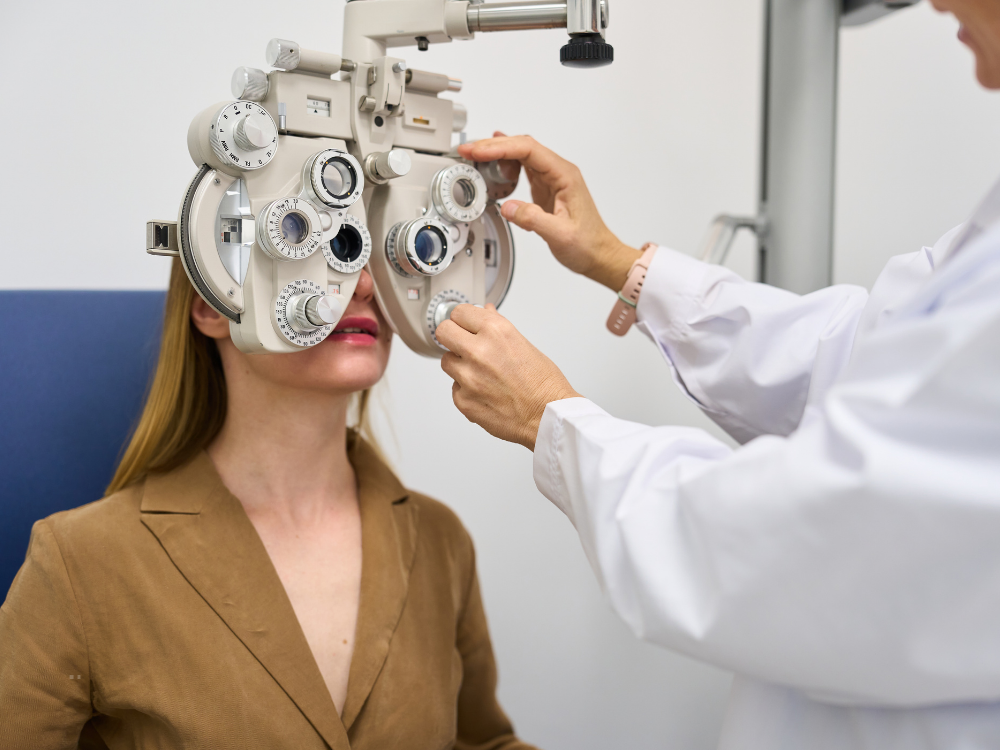
If you are searching for more clarity about professional qualifications, the article “can optometrists write prescriptions” on Visionworks offers a detailed breakdown. Visionworks is a recognized leader in eye care, known for helping patients find and understand their options and for providing a full range of services nationwide, including in major service areas where access to highly qualified eye care professionals can impact the health and vision of the community. This page discusses the scope of optometrists’ abilities, the process for getting prescriptions, and further advice for finding the right provider.
Seek Recommendations and Referrals
You can go ahead and start your search with suggestions from those you trust. Asking friends, relatives, and coworkers about their experiences with local eye doctors can lead you toward reputable professionals. For added confidence, your primary care doctor is another excellent resource. Physicians often have established networks of specialists and know which providers are consistently well-regarded.
Patient testimonials and honest referrals are powerful because they reflect real experiences regarding expertise, communication, and office practices. Please don’t hesitate to mention your personal health history when seeking recommendations; the right match often comes down to a specific medical requirement or personal comfort level. Once you have a shortlist, you can complement word-of-mouth insights with professional directories. Many state and national vision associations offer searchable databases online, allowing you to filter providers by credentials, specialty, or location.
Verify Credentials and Experience
It is important to ensure that your chosen eye doctor is properly licensed and board-certified in their specialty. Most reputable providers will clearly display this information in their offices and on their websites. However, you can also cross-check credentials with your state licensing board if necessary. If you have been diagnosed with or are at risk for a specific eye condition (such as glaucoma or diabetic retinopathy), prioritize providers who have extensive experience treating those problems.
For a deeper dive into the standards that licensed professionals must meet, resources such as the American Academy of Ophthalmology and the American Optometric Association provide up-to-date information useful to patients making important care decisions.
Consider Accessibility and Convenience
Proximity, scheduling, and the office environment can significantly affect your willingness to seek care consistently. You can select a provider whose office is located within a reasonable distance for routine appointments and emergencies. Flexible office hours and online scheduling tools make it easier for busy patients to access care without sacrificing convenience.
In large metropolitan areas, many practices offer multilingual staff or telehealth services, further breaking down barriers to care for a wider population.
Evaluate Technology and Services Offered
Eye care technology has evolved rapidly, greatly enhancing diagnostic capabilities and patient comfort. When you choose a provider, please ask what kinds of diagnostic equipment are used for exams or treatments. Practices that invest in the latest technology often deliver more effective and efficient care.
Also, could you confirm whether the provider offers comprehensive services under one roof, including routine checkups, specialty care, emergency appointments, and eyewear fitting? This integration adds both value and convenience for patients who prioritize a seamless experience.
Review Patient Feedback
Patient reviews on platforms like Healthgrades and Yelp can provide further insights into the quality of service, friendliness of the staff, and professionalism of the provider. Look for consistent themes in the feedback, such as clear communication, ease of appointments, and overall patient satisfaction. While a single review should not be your only criterion, patterns in feedback are often indicative of what you can expect. If you are looking at a particular provider, please pay attention to how the office responds to both positive and negative reviews. A respectful and constructive approach to patient comments suggests a practice that values customer service and ongoing improvement.
Assess Communication and Comfort
During your first appointment, please note whether the eye doctor answers your questions thoroughly and makes you feel comfortable expressing your concerns. High-quality care is more than just clinical expertise; it is about establishing trust and clear communication. The ideal provider listens carefully, explains treatment options in understandable terms, and encourages you to participate in decisions about your care. A strong patient-doctor relationship supports better outcomes and can reduce anxiety about routine exams or medical procedures.
Understand Insurance and Payment Options
Before booking your visit, could you confirm with the office staff that your insurance is accepted? Since vision benefits can differ from standard health plans, ask about covered services, copayments, and any potential out-of-pocket expenses. Some practices offer direct billing, flexible payment plans, or even discounts for uninsured patients, helping to reduce financial barriers and keep your care accessible.
Could you take the time to review your insurance policy before making an appointment? I want you to know that being informed about your coverage, limitations, and options helps ensure a smooth experience both clinically and financially. By following these steps, you can identify and build a relationship with a qualified eye doctor who meets your needs and supports your long-term vision health.
Conclusion
Choosing the right eye doctor is an important step toward protecting and maintaining your long-term vision health. By understanding the different types of eye care professionals and carefully considering credentials, experience, accessibility, and available technology, you can make a confident, informed decision. Recommendations, patient reviews, and clear communication also play a key role in ensuring that you feel comfortable and supported throughout your care.
Taking the time to evaluate insurance coverage, office convenience, and the overall patient experience can further simplify the process and help you build a lasting relationship with a trusted provider. Ultimately, the right eye doctor will not only address your immediate vision needs but also guide you in maintaining healthy eyesight for years to come. Regular eye care and a strong partnership with a qualified professional are essential investments in your overall well-being.

Alright, alright, alright! 66clubbet is where the action is. I’ve been winning a few good bets there lately, plus they always have some kind of promo going on. You guys need to get in on this: 66clubbet
Been spending way too much time on pk33game lately! It’s addictive, plain and simple, but fun. I also hear they’re always adding new games. It’s got my vote!: pk33game
Yo, S5 Online Casino! 提款也太顺利了吧! Like, 我都没反应过来钱就到账了. 真的是快到飞起. Definitely sticking with these guys. Check it out for yourself: s5.com withdrawal.